Health & Fitness
Canine Culture: Puppy Development
Got puppy? Experiences learned during the first 12-16 weeks can last a lifetime!
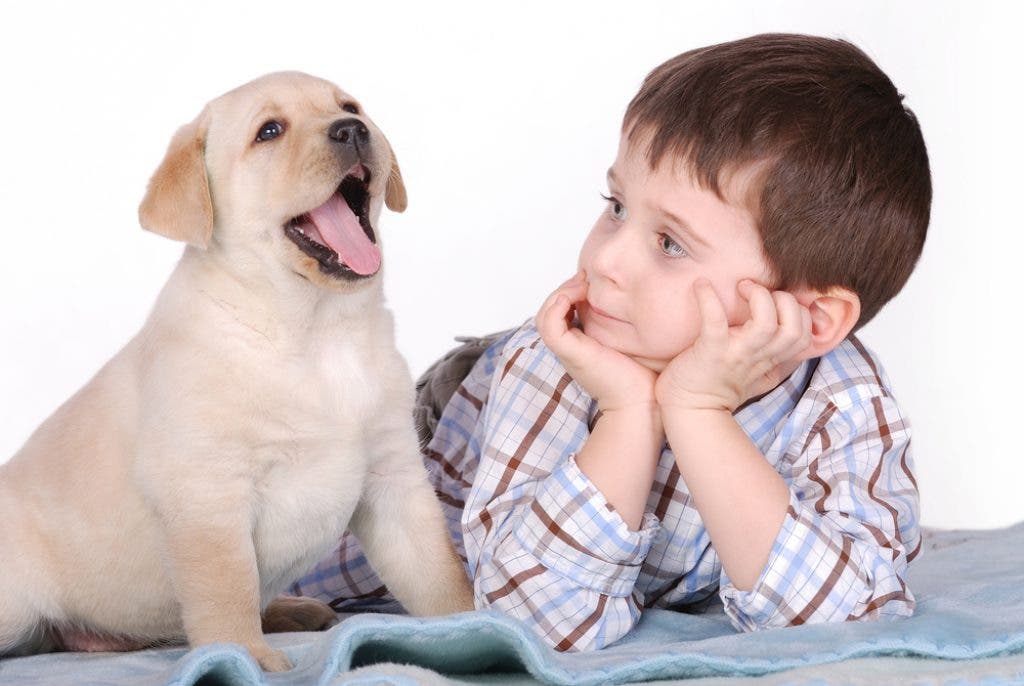
Did you know that a puppy’s peak time to learn good social behavior is when they are two to four months old?
Between 8-12 weeks of age your new puppy should be exposed to a variety of new things and meet 100 different people, says Dr. Ian Dunbar, a pioneer on canine behavior and development.
To lay the foundation for a well-adjusted pup, socialization experiences during this critical imprint period must be POSITIVE for your puppy! (This means giving treats or rewarding with attention, as well as protecting him from being overwhelmed or played with too roughly by people or other pets.)
Find out what's happening in Urbandalefor free with the latest updates from Patch.
Are you having trouble training your puppy? Tell me about it in the comments below and I'll try to help you find a solution.
Play Biting
This week is National Bite Prevention Week - May 20-26. While mouthing and play biting are normal for puppies, by 14 weeks of age and the onset of adult teeth they should have learned good bite inhibition. Feedback from playmates – canines, other domestic animals and humans – helps teach which bites are too hard and which are ok.
Find out what's happening in Urbandalefor free with the latest updates from Patch.
If too rough, an immediate break in play is an effective teaching technique – when the fun stops, pups get the message! Shunning or ignoring is a common way dogs communicate their disapproval. If your pup is teething on inappropriate items (shoes, chairs, etc.), remove the item and redirect his attention (and teeth) to acceptable chew toys (stuffed Kongs, Nylabones).
Potty Training
This is typically one of the first skills puppy parents want to instill. To set the stage for success and prevent accidents, give your new puppy a lot of opportunities to potty outside – after eating, drinking, waking, playing, training and getting out of the crate. The frequency depends on the size and age; pups under 3 months have limited bladder control.
When your puppy isn’t crated or confined in his play pen, always supervise to ensure he doesn’t have an accident or practice other unwanted behaviors such as chewing on furniture, carpet, clothing or cupboards. Preventing unwanted behavior is easier than un-training it!
Trainer Peggy Tillman recommends picking a potty spot in the yard and always taking the puppy out the same door to the designated potty spot. You must be there to observe and reinforce his behavior. With a few successful repetitions, Fido gets a clear picture of your expectations, plus it helps preserve your yard and makes “dog duty” easier too!
If you want to play with your pup in the yard, always remember to potty before play. Putting the desired potty behavior before the puppy’s “payoff” encourages prompt, consistent potty action when you need him to go!
Basic Training
Luckily, today’s puppies have the benefit of improved training techniques. Common correction-based methods of old have been shown to do more harm than good – confusing or frustrating the dog, and damaging the vital relationship between human and pet. A positive relationship with your dog is the foundation for successful dog training! Puppy classes – like those at Canine Craze – should be FUN, so you and your pup are happy, lifelong learners!
Resources
Some good puppy books to help you get started include:
Puppy Start Right by Debbie Martin
Control Unleashed: The Puppy Program by Leslie McDevitt
Before You Get Your Puppy by Dr. Ian Dunbar
The Puppy Primer by Patricia B. McConnell Ph.D. & Brenda Scidmore
If you need help or have questions, please post below. We’ll be back next week with canine fun and games!
* * *
Ask the Trainer: Renee Jetter, ABCTC, CPCT
Professional dog trainer and co-owner of Canine Craze Performance Center in Urbandale – an 18,000 square-foot dog training, daycare, boarding and events facility. Animal Behavior College, 2006 graduate.
Expertise: puppy development; positive reinforcement training; obedience; competition; agility; tricks; freestyle; scent detection; canine good citizen/therapy dog testing; Paws & Effect volunteer service dog trainer.