Health & Fitness
How Sunburns Can Kill You
Sunburns can lead to melanoma, the most deadly form of skin cancer. What you should know to keep yourself protected.
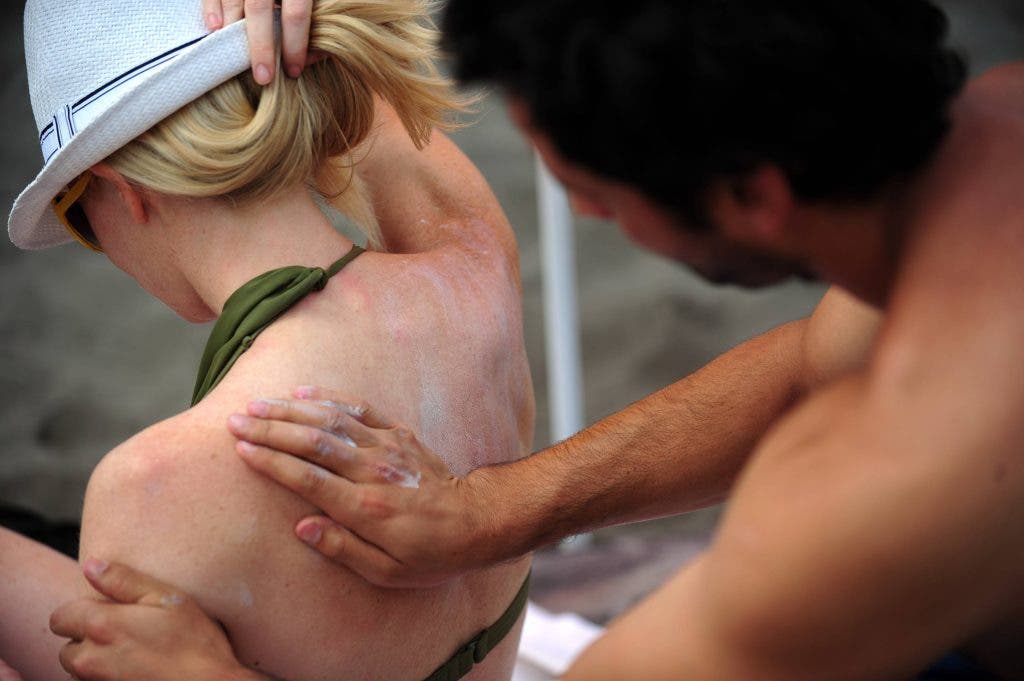
It’s been unbelievably nice out lately, and more people are spending time outside. Since it’s so early in the season, a lot of us are forgetting about a key step before walking outside – putting on sunscreen. “It’s only March/April. I’m not going to get sunburned!” or “I want a little color!” are frequent reasons for skipping the sunscreen ourselves, or on our kids. So what’s wrong with that?
Melanoma.
Research shows that the more sunburns you get, especially the younger you are when you get them, the higher the chance of developing malignant melanoma, the most deadly form of skin cancer. People who have had 5 or more sunburns in childhood have a two-times higher chance of getting melanoma than those that didn’t. The incidence of melanoma has tripled in the last 40 years in Caucasians, and is now the MOST common cancer in women ages 25-29. Young people don’t usually think about getting cancer, nor do they make regular visits to their doctor to get checked out.
Find out what's happening in Waukeefor free with the latest updates from Patch.
There are lots of things that put us at risk for melanoma – having abnormal moles, a family history of melanoma, fair skin with the inability to tan, and having light colored hair and eyes. And of course, repeated, blistering sunburns, especially in childhood or adolescence.
But how do you know if a mole is abnormal? Your family doctor can tell you if that “spot” is an abnormal mole, or something else more benign. If the spot is abnormal, or questionable, likely your doctor will remove it then send it for testing to rule out any cancerous cells. Also, if your “spot” has changed recently – grown in size, changed shape or color, become asymmetrical, or started bleeding or ulcerating – it’s important to let your doctor know, as those are danger signs for melanoma.
Find out what's happening in Waukeefor free with the latest updates from Patch.
So wearing sunscreen means we’re protected, right? Not necessarily. Commercially available sunscreens block UV-B rays, but are less effective against UV-A (even though the bottle says it does both). Plus, when wearing sunscreen, people feel more protected, so then stay out in the sun longer, and get even more exposure to UV light.
The research also shows that intermittent, extreme exposure increases your risk more than chronic daily low level exposures that don’t cause burns (like those that work outside). So vacation tanning, or recreational tanning, is the most dangerous form of sun exposure.
What about tanning beds? They are every doctor’s most-hated invention. These beds emit UV-A light that the World Health Organizations has labeled a human carcinogen (which means a cancer-causing agent). Research shows that people who use tanning beds before age 35 have a 75% increase in their personal risk of developing melanoma. The risk is even worse with the new “high efficiency” tanning beds that expose you to higher levels in less time.
What can we do to protect ourselves? Always wear broad spectrum sunscreen, protective clothing, and limit sun exposure. If you notice your skin becoming red, go inside immediately, or at least find protection from direct light, and try to cover your skin. Avoid intentional sunbathing, especially tanning beds. Get yearly skin checkups from your family doctor, and be honest about your sun exposure. If you find a mole or spot that looks worrisome or is changing, head to your family doctor right away.