Business & Tech
Whole Foods Likely to Boost Business for West Des Moines Shops, Food Producers
With more markets for local farmers and artisans, a community system can emerge, advocates say. One Waukee business is among them.


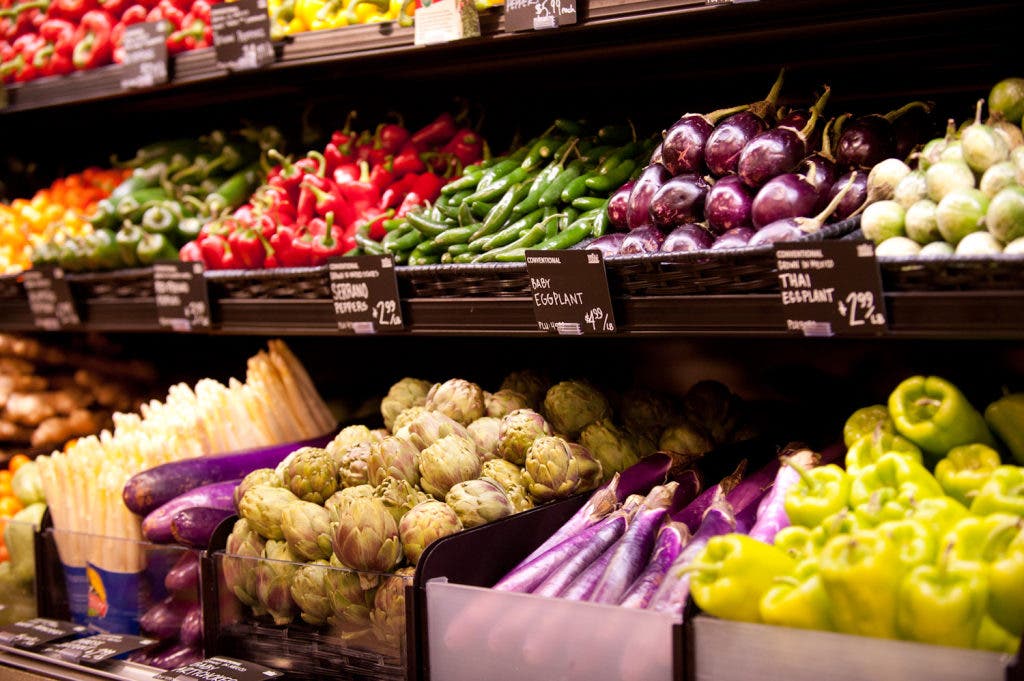
If Whole Foods Market is the tide that raises all ships, Meg Shearer hopes to ride the wave to a greater retail presence for her West Des Moines confectionery, Chocolate Storybook.
When opens its first Iowa store Wednesday at 4100 University Avenue in West Des Moines, Shearer will be there, handing out samples of her Naked Bunny Confections. Shearer created the special line of all-natural candies especially for the Austin, TX-based natural and organic grocer, which is committed to securing up to 20 percent of its products from local sources.
Whole Foods does more than give Shearer just another wholesale outlet, a division she added to her business five years ago and which currently has agreements with a pair of regional grocery store chains, local hospital gifts shops and entertainment venues.
A presence in the store also ties to Whole Foods’ prestigious national brand and its rigid standards, making it a "good get" for Shearer that enhances her store's standing among consumers who are increasingly aware of what they’re eating and how it was produced.
“The all-natural line was something we were looking at doing,” Shearer said, “but this kind of forced the issue.”
Becoming a Whole Foods supplier is a big break for Shearer. The chain has 310 stores nationwide.
“Down the road, if our product is enjoyed by people shopping at the West Des Moines store, they possibly could recommend us for other stores in the Midwest,” she said. “We hope to do some nice business with them.”
Chocolate Storybook is one of about three-dozen Iowa vendors – including Tegan Turcotte’s Little Witch Soap Company of Waukee.
Find out what's happening in Waukeefor free with the latest updates from Patch.
Will Competitors See an Uptick in Business?
Stefanie Garcia, local forager and competitive strategy coordinator for Whole Foods Market’s Midwest region, said the percent of local products varies according to season and can be as high as 60 percent at the peak of the growing season. At other times of the year, it may drop down to below 20 percent.
Gracia said Whole Foods is proud of its record for bolstering already established or developing local food systems. In West Des Moines, for example, “we were actively seeking out small, local artisan farms that produce unique things, the product you can only get at a farmers' market on a Sunday afternoon in the summer,” she said.
Local, natural and organic foods are becoming more easily found in the Des Moines metropolitan area, which boasts the country’s largest farmers' market, a growing community supported agriculture program and state and federal initiatives to increase WIC and senior citizen grant program participation in farmers' markets.
Like us on Facebook. Follow us on Twitter. Have West Des Moines news delivered to your inbox every morning by signing up for our newsletter.
Find out what's happening in Waukeefor free with the latest updates from Patch.
Grocers are more routinely adding organic and natural products to their inventory and in great enough numbers that they occupy designated sections. Whole Foods spokeswoman Kate Klotz said the arrival of another national niche grocer,, in West Des Moines two years ago was a strong signal that the market had matured.
“That’s one of the reasons we wanted a store there,” she said. “We saw that interest was increasing. We’ve been looking at the Des Moines market for quite a while, and this is a big opening for us.”
What does the chain’s arrival in town mean for independents, like the struggling member-based Tallgrass Grocery Co-op in Valley Junction? A member of the small startup grocery cooperative wrote in an email to members and supporters that to shore up the business model and avoid closure.
Klotz described owners of competing businesses as “nervous” when Whole Foods announces it’s coming into a market, but “they usually see an uptick in their business.”
“That’s a question we get a lot,” Garcia agreed, “Our emergence in a market has increased business for competitors, It helps educate a greater number of people to importance of natural, organic food and creates a bigger marketplace for that product.
“We work with a lot of farmers, and we encourage them to have multiple outlets and to do what will make the business as successful as possible. Sometimes we’re only getting one product from them.”
Developing Local Food Systems Takes Time
Local food systems advocate Lynn Heuss, who is helping develop a local food and farm initiative as part of her job with Iowa State University Extension, said having more markets available is good news for local farmers and food producers. Heuss is also president of the board of directors of Tallgrass Grocery Co-op.
“I think everyone on the board would agree that as people who care about more healthful foods and getting more folks interested in locally grown organic and natural produce,” she said. “We weren’t terribly concerned when Trader Joe’s came to town. We’re thrilled to see Whole Foods here.”
It also gives them another market as they wait for the cultural change occurring in American food production to find a place in the mostly industrialized agriculture in Iowa.
Gone is the nostalgic notion that a farmer walks into a store, shakes hands with the proprietors and agrees to bring in bushel baskets filled with garden produce, said Heuss, who is helping to create a local food systems aggregation hub as part of her work with Iowa State University’s Leopold Center for Sustainable Agriculture.
“If a farmer wants to be a true viable producer making a livelihood, they have to have a diverse market,” said Heuss, “They need to have some wholesale, but they also need a diverse retail market.”
If you read this story, you might also be interested in:
Get more local news delivered straight to your inbox. Sign up for free Patch newsletters and alerts.