Politics & Government
Legislators Talk Gas Tax Hike, Commercial Property Tax Reform at West Des Moines Event
Lawmakers support commercial property tax reform, but warn against "strangling" cities by limiting their ability to provide essential services.


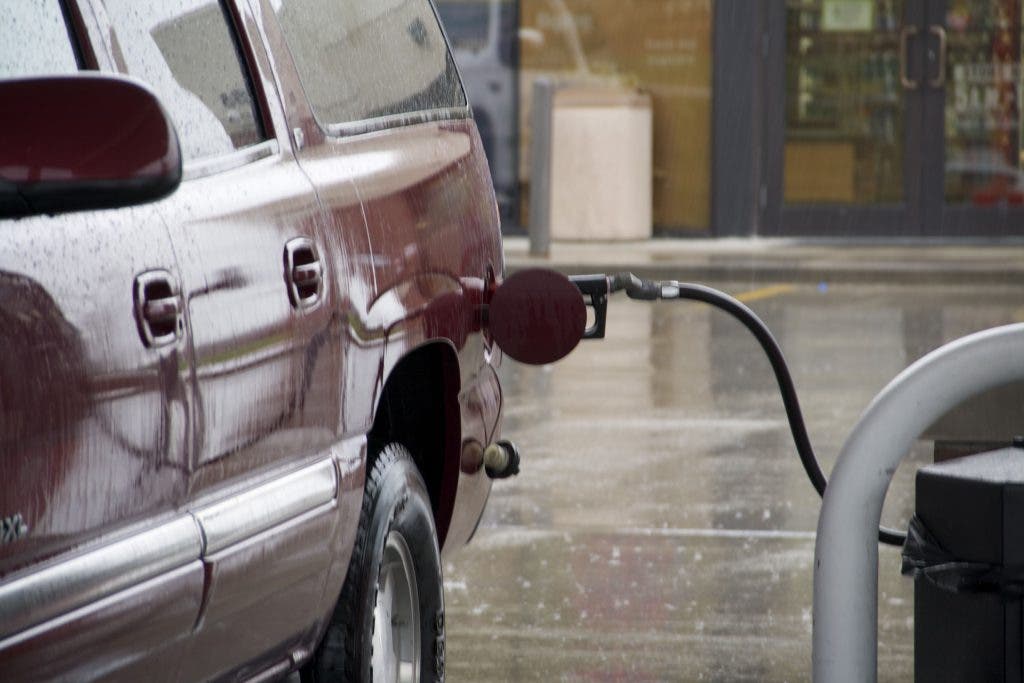
Iowa’s gas tax, which hasn’t been bumped up since 1989, could be increased in the legislative session beginning Monday, but only if bipartisan support exists, a key backer of the measure told business leaders in the western suburbs Tuesday.
Sen. Matt McCoy, a Democrat and Senate Transportation Committee member, said Iowa needs new revenue sources to fix critical infrastructure problems in the state, including some of the worst bridges in the country.
No other lawmakers spoke in favor of a gas tax hike at Tuesday’s legislative breakfast sponsored by the chambers of commerce in West Des Moines, Waukee, Clive and Windsor Heights. Seven lawmakers’ districts include parts of the four communities.
The delegation is caucasian, entirely male and predominantly Republican. McCoy, the only Democrat, is also the state’s only openly gay state senator. McCoy previously has not represented West Des Moines, but the boundaries of Senate District 21 changed after the 2010 Census.
Read a live blog of Tuesday's discussion on Patch.
Redistricting also gave the suburbs a new crop of freshmen legislators. Senator-elect Jake Chapman of Adel represents Senate District 10, and Senator-elect Charles Schneider was chosen to represent Senate District 22 in a special election.
Newcomer Rob Taylor will represent House District 44, joining veterans Rep. Peter Cownie, House District 42; Rep. Chris Hagenow, House District 43; and Rep. Ralph Watts, House District 19. Watts did not attend the legislative breakfast.
Gas Tax Hike Would Raise $23 Million for Infrastructure
The current state tax is 21 cents on a gallon of regular unleaded gas, 19 cents on a gallon of ethanol blended gas and 22.5 cents on diesel fuel.
Increasing the tax by a penny would create about $23 million in revenue, costing the average Iowan about $4.75 a year. One-third of the increased revenue would be paid by out-of-state residents, McCoy said.
McCoy said a bipartisan coalition of interests, from the powerful, Republican-leaning Farm Bureau lobby to Democrat-inclined labor groups, support the increase.
“Moving goods and services through the state is critical and infrastructure is critical,” he said, “but the only way it happens is if there is bipartisan cooperation and it becomes a non-political issue.”
Gov. Terry Branstad has left the door open to consider the issue, said McCoy, who said gas tax hike talks were ended during the last two sessions when they became too political.
Take Care Not to “Strangle” Cities in Commercial Property Tax Reform
Legislators generally agreed that the state’s commercial property tax should be reformed, a key initiative of the governor’s. And the generally agreed that caution must be taken to ensure that cities aren’t “strangled” by unintended consequences.
Because Democrats have a majority in the Senate, that’s where the reform effort that fell short last session will likely be decided.
Newcomer Schneider, who served on the West Des Moines City Council for five years, said he recognizes Iowa’s rate is uncompetitive and he’s confident reform can be accomplished through a bipartisan effort.
“While becoming more competitive, we need to make sure we’re not hurting cities or shifting taxes onto residents,” he said.
Democrat McCoy agreed and said he’d like to see the 90 percent of commercial property parcels that are valued at $390,000 or less taxed at 60 percent rather than 100 percent, as they are now. “Back-fill” provisions that restore local governments’ lost revenues are essential, he said.
“The bottom line is government has to provide essential services to communities. It takes a tax base to do that,” McCoy said. “We can have meaningful commercial tax reform if we focus on delivering services and doing no harm to cities and counties.”
Chapman, the CEO of his family-owned Midwest Ambulance Service, said those and other issues are important to small businesses. He said that has given him a business perspective on how “red tape, regulations and tax burdens can limit the private sector.”
As a freshman senator, he said he doesn’t want to speculate on what the session will hold, but also is interested in legislation that would lower personal and corporate taxes.
How Should Surplus Be Used?
On the House side, lawmakers pledged not to spend an estimated $800 million surplus.
Hagenow wants to return it to taxpayers in the form of tax relief, as does Taylor.
“House Republicans have been successful in curbing spending,” Hagenow said. “Because of our leadership, we now have the surplus.”
Taylor called the surplus “an overpayment from taxpayers” and said various interests are trying to claim the one-time money.
“Funding education with one-time money would be a dangerous thing to do,” he said. “We need to be fiscal hawks with that in a bipartisan way.”
Senator-elect Schneider also warned against using the money for one-time or ongoing expenses. Fiscal cliff discussions at the federal level will resurface in a couple of months when Congress discusses raising the debt ceiling to meet its loan obligations.
“We need to make sure we don’t prematurely commit that to ongoing expenses,” Schneider said. “The fiscal cliff could still hurt Iowa.”
Legislators also pledged to reach across the aisle.
Schneider said, "What I don't want to do is contribute to the gridlock that we see in D.C.,” calling Congress and the federal government “dysfunctional.”
Find out what's happening in West Des Moinesfor free with the latest updates from Patch.
Get more local news delivered straight to your inbox. Sign up for free Patch newsletters and alerts.