Politics & Government
Sen. Pat Ward: Although Iowa’s Tax Revenue is Now Growing, Spending Should Not
Being a good steward of the taxpayer's money continues to be a top priority of mine.


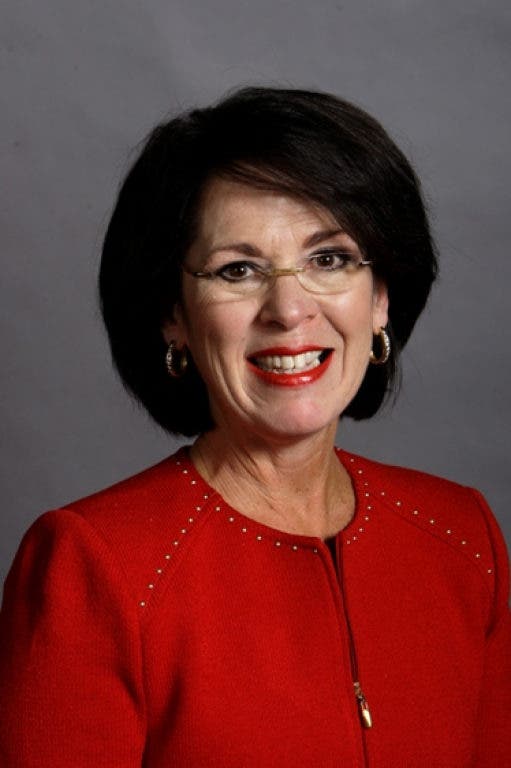
By Sen. Pat Ward
If you get an additional, somewhat significant sum of money put into your bank account, what would you do with that new money?
Spend it on something you want that is not a necessity or put the money into a savings account so that you have a cushion when times get tough?
Find out what's happening in West Des Moinesfor free with the latest updates from Patch.
Here’s why the question matters.
Stay the course on budget, make cuts or approve an increase? Tell us what you think and why in the comments.
Find out what's happening in West Des Moinesfor free with the latest updates from Patch.
Late last week, Iowa’s three-person Revenue Estimating Conference (REC) increased the state’s revenue projections for the upcoming year by approximately $30 million dollars, driven largely by Iowa’s strong agricultural economy.
That number is certainly not an insignificant amount of anticipated revenue for our state, but the question remains, what should be done with it? I believe we should be very cautious about new spending – we must have ongoing revenue to support long-term programs so they are sustainable into the future.
While the Iowa economy is slowly, but surely beginning to show signs of recovery, we are not out of the woods yet and need to continue to tighten our belts and expend tax dollars cautiously for the following reasons:
Some economists are worried that we might experience a double dip recession.
Historical revenue growth is around 4%. In a given year, growth in Medicaid, School aid, and State government workers salaries can consume this entire growth in revenue.
Changes in eligibility requirements for Medicaid under the new affordable health care act add 150,000 enrollees to the program, increasing cost to unsustainable levels.
Our budget relies heavily on federal funds. $6 billion or half of total state spending comes from the federal government. Reductions at the federal level could have major impacts on our ability to sustain programs.
The Bush tax cuts are set to expire. As a result of being allowed to deduct federal taxes on our state income taxes, we will lose $376 million over four years starting in FY 13.
The Iowa Public Employees Retirement System (IPERS) is only funded at 80 percent due to poor market performance and less than adequate employee contributions. There are $5 billion in unfunded liabilities that will need to be addressed someday.
Given what we know about Iowa’s current fiscal situation (which is now finally back on solid footing) and given what we know about the federal government’s fiscal condition (record high deficit spending and trillions of dollars in debt), wouldn’t it make more sense to adopt a careful and responsible approach to state budgeting?
The situation in Washington is too uncertain to leave our state without a cushion. We cannot continue to tax and spend or borrow and spend – if we want true economic recovery, we must maintain sustainability so that job creators have confidence to expand and grow.
This is why our 2013 budget proposal spends only 97 cents for every dollar taken in, significantly limits the use of one-time dollars to pay for ongoing expenses, balances without raising taxes and is free of gimmicks and reckless accounting tricks.
It’s important to look at the longterm financial health of our state and nation if we care about the future of our kids and grandkids. Being a good steward of the taxpayer’s money continues to be a top priority of mine.
Get more local news delivered straight to your inbox. Sign up for free Patch newsletters and alerts.