Politics & Government
What Would Cost West Des Moines $9 Million?
West Des Moines leaders say they'll have to raise residential taxes, cut services, or both if a commercial property tax proposal goes through the legislature.


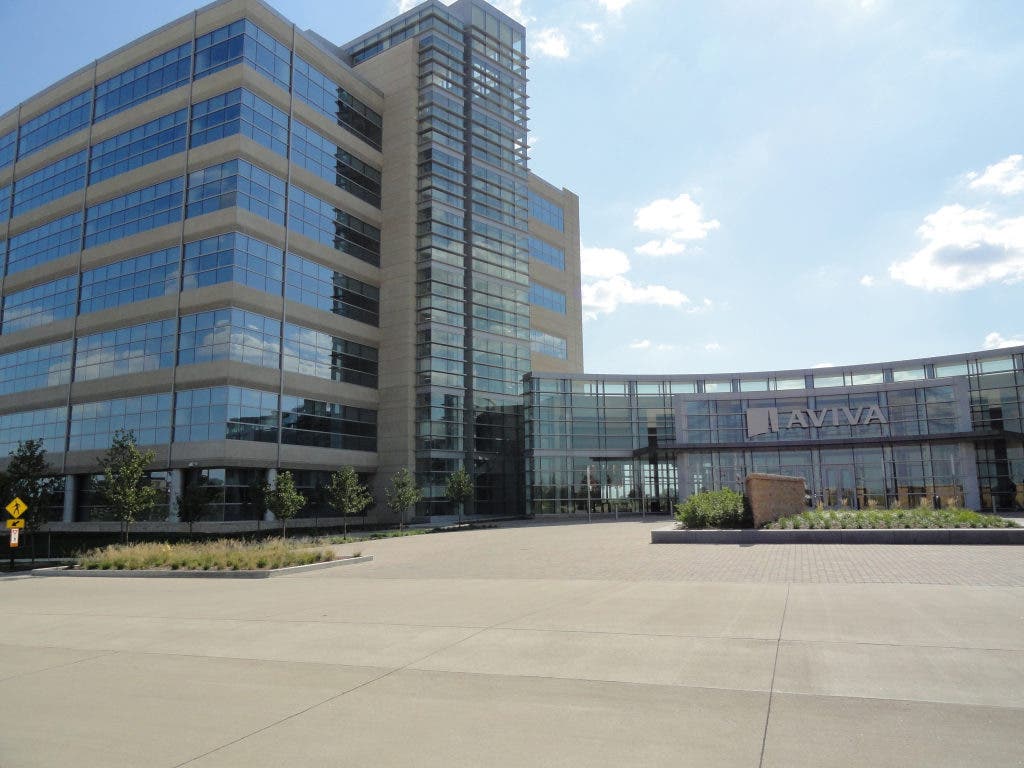


West Des Moines stands to lose about $9 million under Republican-backed commercial property tax reforms currently before the Iowa Legislature.
Because its commercial property tax base shows annual growth, West Des Moines would not receive a state-allocated “backfill” provision intended to help cities recoup their losses. Some say that illustrates why the proposals are flawed and should not be enacted.
“With no backfill, it’s pretty painful, said Mayor Steve Gaer.
Do you support the commercial property tax proposal? Why or why not? Tell us in comments.
Faced with such a loss of revenue — about 20 percent of West Des Moines’ general fund — the city council would have to cut services, increase residential taxes, or both, the mayor said.
Find out what's happening in West Des Moinesfor free with the latest updates from Patch.
State Bill Rewards the Wrong Entities
Councilman Ted Ohmart thinks the proposal rewards cities that haven’t shown growth at the expense of those that have.
“If you have any growth at all, you’re not eligible,” he said. “Why would you penalize communities that have been an economic engine for the state for the past two decades? It makes no sense. What’s the incentive to grow and create jobs if you’re going to get penalized?”
Ohmart said he told West Des Moines’ legislative leaders — Sen. Pat Ward, Rep. Peter Cownie and Rep. Chris Hagenow, all Republicans for whom commercial property tax reform has been a key issue — that he would support reform efforts if the Legislature gave West Des Moines and similar cities additional revenue-enhancement tools.
Specifically, West Des Moines officials have asked legislators to consider:
- Giving them the ability to increase the hotel-motel tax, currently at 7 percent to 9 percent.
- Changing the local-option sales tax law by removing a provision that requires voters in contiguous cities to pass it, as well. With Jordan Creek Town Center and Valley West Mall in its corporate limits, West Des Moines could raise $7 million annually and effectively offset the revenue loss, Gaer said.
- Providing relief on state requirements that cities contribute to police and firefighter pension funds. In West Des Moines’ case, that’s 26 percent of its salary expenditures, and it threatens the city’s ability to maintain services at the current level of taxation, Gaer said.
- Revisiting proposals for a gas tax increase to increase money available for transportation infrastructure projects.
Ohmart Calls Reform Proposal "A Jobs Killer"
A 20 percent reduction in revenue without corresponding revenue-enhancement tools would almost certainly force the city to cut non-essential services, such as parks and recreation facilities and trails — “the quality-of-life things that attract companies,” according to Ohmart.
“It’s a jobs killer is what it is, and that’s the thing I don’t think (legislators) understand,” he said.
Gaer said it would be hard to find justification in West Des Moines for claims that Iowa’s commercial property tax structure has inhibited growth. For example:
Find out what's happening in West Des Moinesfor free with the latest updates from Patch.
- The city has issued $2.3 billion in building permits over the past 12 years and, in January of this year, issued $65 million in permits, all but about $3.5 million of it for Microsoft Corp.’s Phase 2 project.
- West Des Moines has added 20,000 new jobs in the past decade, putting the number of people working each day in the city at around 55,000.
Gaer, by day a broker for R&R Realty Group, said he understands the need for commercial property tax reform, especially in western Dallas County, where prime property leases for about $5 a square foot. But for legislators to suggest that reform will accelerate commercial growth is unrealistic, he said.
“The proposal assumes that if property taxes are reduced 40 percent, Iowa will have all of this new commercial development.” But, in fact, downtown Des Moines, West Des Moines and other suburbs have “a seven- to eight-year supply of vacant office buildings in the inventory.”
Gaer favors reform that “starts in small bites and moves forward incrementally.”
“The only way for this to be successful and not harm growth is to provide alternative revenue sources,” he said. “This is why other cities are doing red-light cameras and franchise taxes.”
Get more local news delivered straight to your inbox. Sign up for free Patch newsletters and alerts.