Neighbor News
Is Telehealth Actually Safe? A Plain-Language Guide for Local Residents
Virtual care is convenient, but is it secure? Here's what every patient should know before logging on.

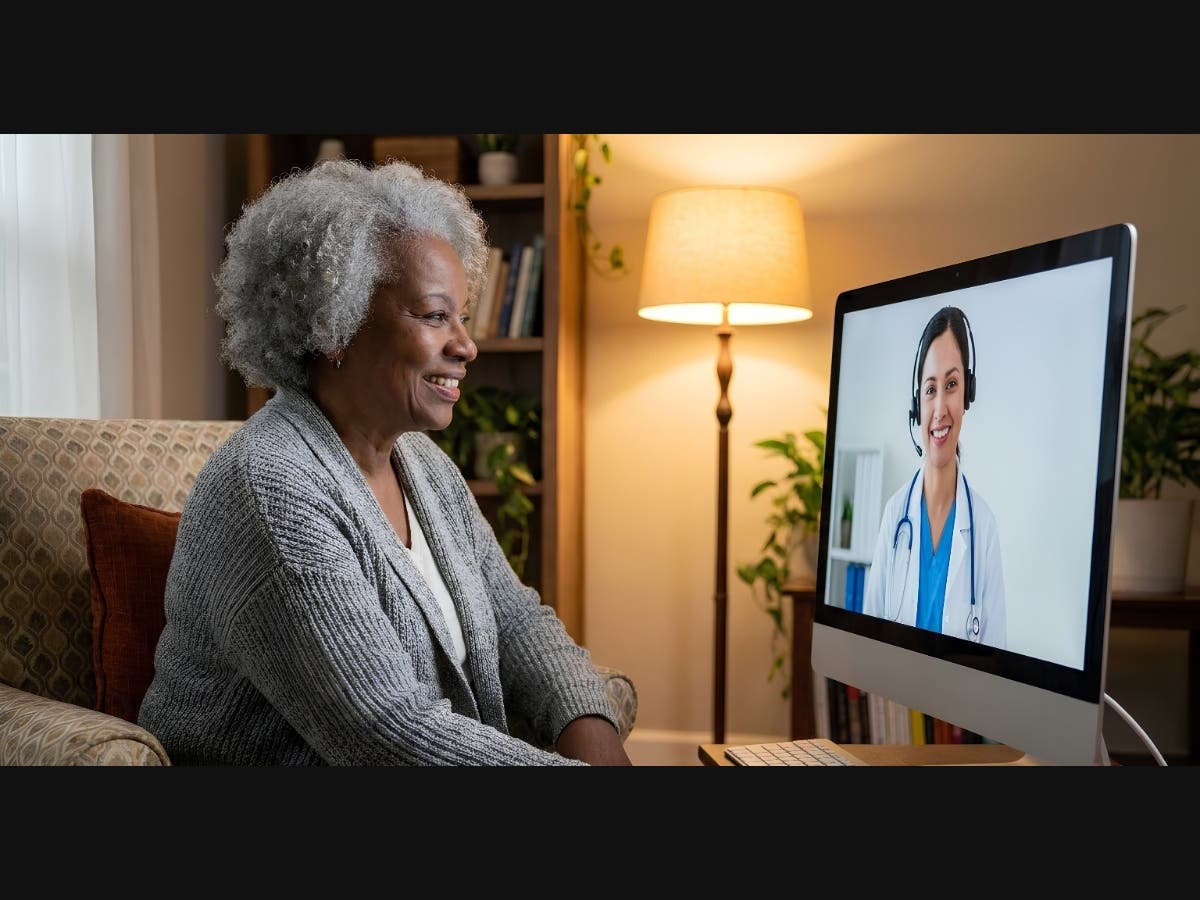
Making a telehealth appointment sounds a lot easier than driving to an office to sit in a waiting room, but many people wonder whether it is truly safe.
Telehealth can be a safe, efficient, and affordable option for many patients looking for virtual primary care services and other routine needs if you opt for a HIPAA-compliant platform with providers licensed in the state where you are located. Although it is not a replacement for emergency care, telehealth can be a safe and reliable option for fast and affordable non-emergency care.
Telehealth Safety Basics
The two most important safety considerations for telehealth platforms are information security and provider licensing. Since medical information is shared electronically in telehealth visits, a safe telehealth platform is one that protects patient information and privacy. Additionally, each provider should be licensed or legally permitted to treat patients in the state where the patient is located.
Find out what's happening in Overland Parkfor free with the latest updates from Patch.
Use a HIPAA-Compliant Platform
When choosing a telehealth platform, look for one that is compliant with HIPAA Rules for telehealth technology. HIPAA-compliant telehealth platforms meet compliance standards for secure communications and data storage to keep patient information safe. This is why patients concerned about safety choose platforms that make it clear they are HIPAA-compliant.
Find Providers Licensed in Your State
Your telehealth provider has to be legally allowed to treat you where you are located. Licensure requirements for providers can vary from state to state, so a provider must meet the requirements for telehealth licensure in each state for which they hold licensure, which may include background checks, state-specific exams, and earning credit for continuing education to maintain licensure. Telehealth makes it easy to book a consultation by connecting patients with providers licensed in multiple U.S. states.
Find out what's happening in Overland Parkfor free with the latest updates from Patch.
When Telehealth is a Good Option
Telehealth can be an appropriate fit for many routine, non-emergency health needs, including:
- Virtual primary care services not requiring a physical examination
- Treatment of common ailments or sick visits
- Prescription refills and routine treatments
- Weight loss consultation
For example, telehealth can fit if you have a common cold with no emergency symptoms, but still don’t feel well enough to travel to an office. For busy patients who need to address routine treatment and prescription concerns, telehealth can be a safe, fast, and affordable alternative to in-person care.
Safety First
Part of telehealth safety is knowing when telehealth is the safest choice. Telehealth is not appropriate for every situation and is not safe for emergency symptoms. If symptoms escalate, are severe, sudden, rapidly worsening, or potentially life-threatening, it is safer to seek emergency care.
Insurance Concerns
Telehealth is an accessible option for patients concerned about insurance coverage. Many patients find themselves worried over whether their insurance will be covered or if they can afford the visit without insurance. Look for a platform that offers 24/7 access to licensed providers with no insurance required.
How to Make Your Visit Safer
Before your appointment, make sure you are prepared to make the most of your telehealth visit. Telehealth visits are faster, easier, and safer when you choose a private place with a stable, private internet or phone connection so your information is kept as safe as possible.
You will be discussing your medical history and symptoms with the provider much like you would during an in-office visit, so be sure to tell your provider any important information about your medical history, such as currently prescribed medications and allergies.
Telehealth Safety Checklist
Use this simple checklist to help you prepare for your appointment:
- Choose a private space where your discussion with your provider about your personal health information will not be overhead.
- Make sure your device and connection are stable and secure.
- Book with a HIPAA-compliant platform and a provider licensed in your state.
Frequently Asked Questions (FAQ)
- Are virtual primary care services a safe option?
Telehealth can be a safe option for routine needs including prescription refills and other non-emergency concerns. Appointments are available 24/7 and insurance is not required.
- Can a telehealth provider prescribe medication?
Yes, in many cases, although specific decisions about prescriptions depend on the patient's needs and the provider’s judgment, as well as the nature of the condition. Some patients may need additional care before a prescription is provided, depending on the condition.
- Is telehealth private?
Use a secure platform in a private location, with a stable and secure connection. Look for a HIPAA-compliant, secure platform that offers services from providers licensed in your state.
- How much does it cost?
Telehealth services are available without insurance at fixed, affordable prices.
- Do I have to have insurance to receive care?
Insurance is not required to use telehealth. Telehealth services are available to patients at a flat fee.
- What makes the cost so low?
Telehealth services are more efficient than traditional in-person visits, which lowers costs for the patient.
- Is telehealth safe for urgent care needs?
Telehealth can be a good option for some urgent care concerns, such as common cold symptoms, discomfort, allergies, or other routine non-emergency services. Telehealth is not a substitute for emergency care in situations which are severe, sudden, rapidly worsening, or life-threatening.
- Is telehealth a good option for GLP-1 weight loss treatment?
Patients can discuss GLP-1 weight loss treatments with a telehealth provider 24/7. GLP-1 medications are not right for everyone, and patients should avoid starting any weight loss medications without medical guidance.
- Are peptide treatments available through telehealth?
Peptide treatments are used, in some cases, but not every peptide product is right for every patient. Telehealth platforms can provide consultations with licensed providers so you can receive guidance about your peptide treatment options at a convenient time for you. Avoid using peptide products without guidance from a licensed provider.
Securely See a Provider in Minutes
With telehealth, patients can benefit from the safe, fast, and affordable access to care and are able to book with a licensed provider in a matter of minutes. Services are streamlined, making them faster and more efficient than in-person options, as well as more affordable.
Since telehealth reduces some of the time and costs compared to in-person visits, it can be a cost-effective option for routine, non-emergency treatments, including weight loss treatments like GLP-1, as well as peptide treatments, when appropriate.
Book your visit when you are ready to start benefiting from safe, fast, and affordable virtual primary care services, routine visits, treatments, and prescription refills.