Crime & Safety
Maine Ex-Navy Pilot, Retired Veteran International Boeing Captain: 'Ill-fated Bangor Jet Ran Into Ice'
Maine Wire: Steve Scheibner believes ice pellets brought down a Maine jet, killing all six aboard



By Ted Cohen Maine Wire
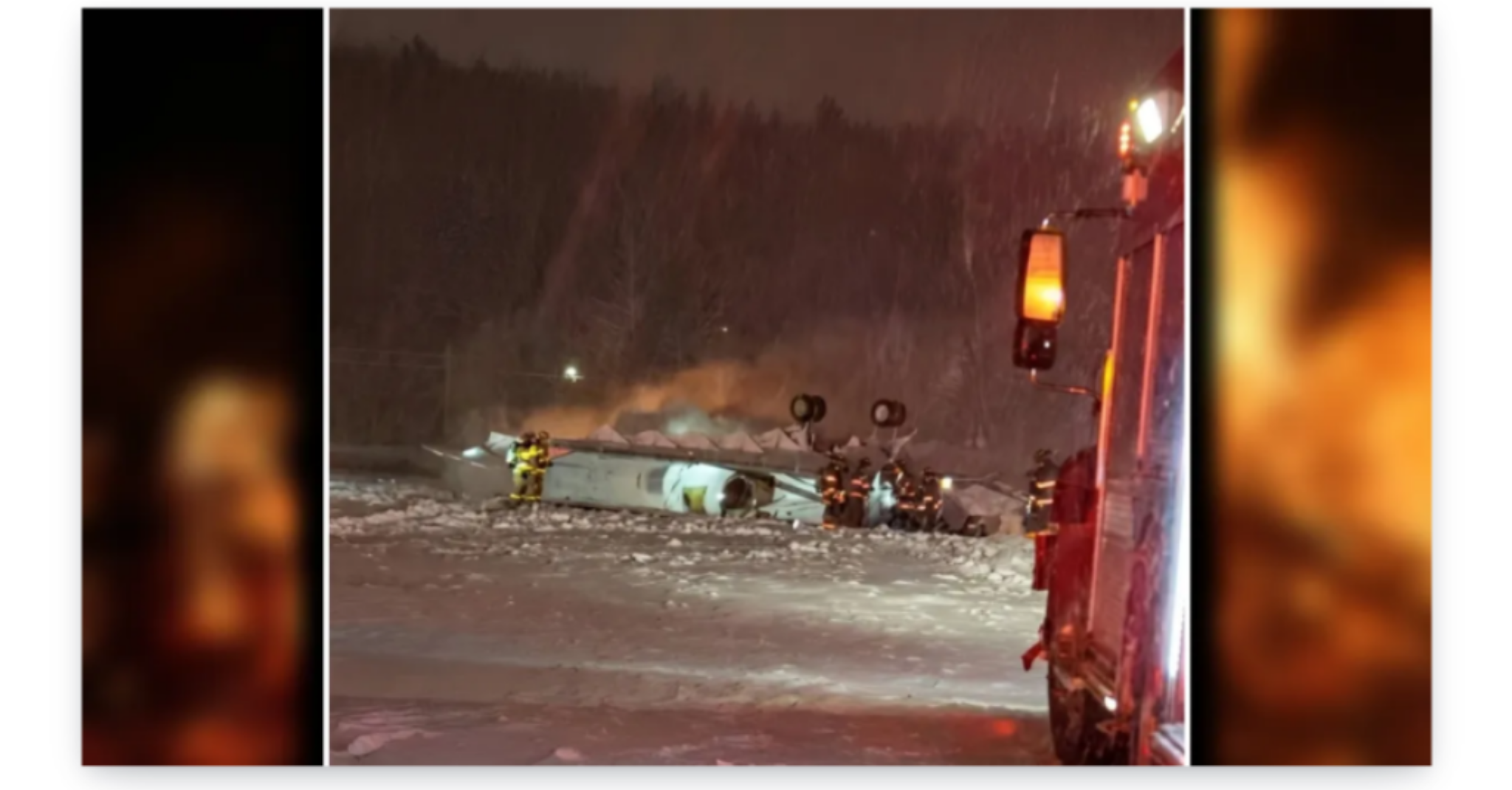
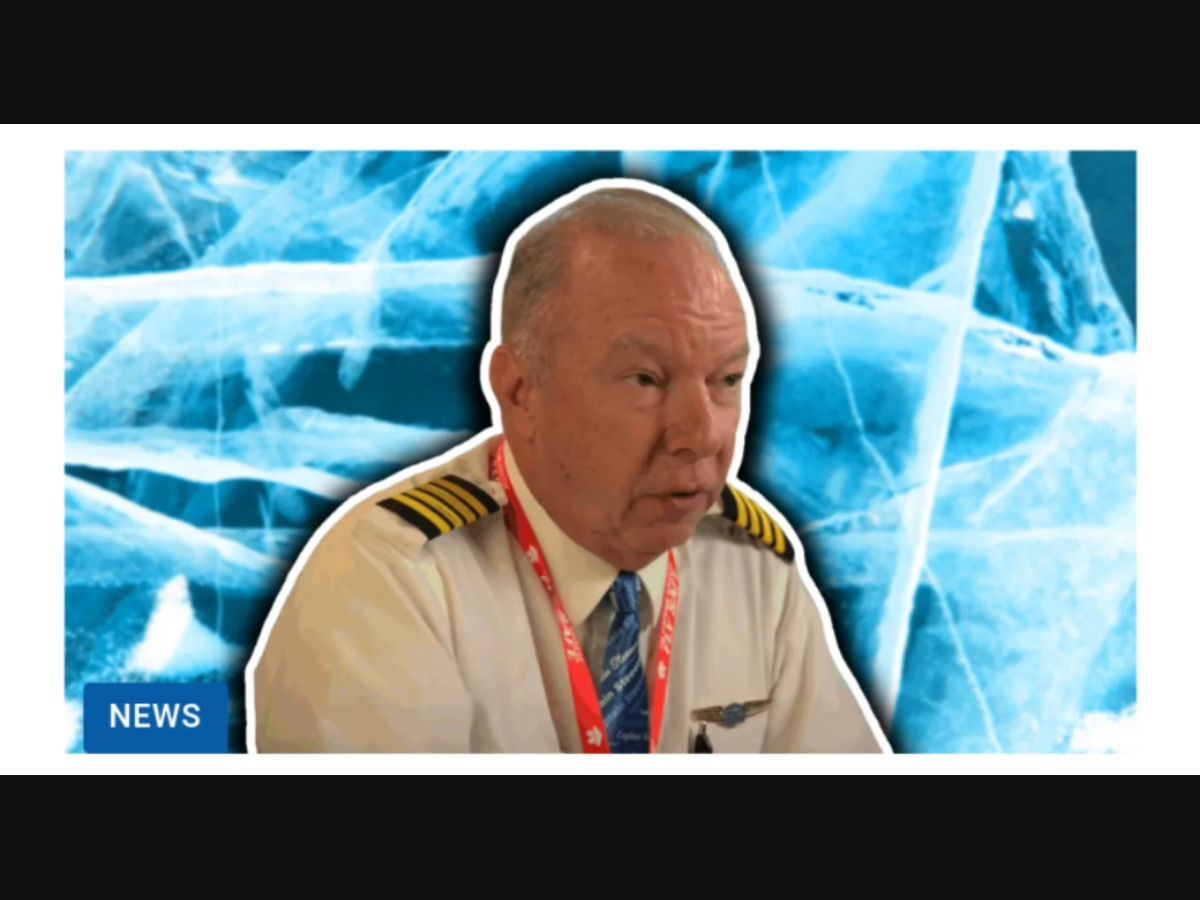
A former Brunswick Naval Air Station pilot who went on to fly 40 years for a major airline believes the corporate jet that crashed earlier this week in Bangor, Maine was struck down by an ice storm.
Steve Scheibner, whose widely followed YouTube channel focuses on determining how airplanes crash, analyzed the Bombardier Challenger 600 crash that took six lives Sunday night.
Find out what's happening in Across Mainefor free with the latest updates from Patch.
In an analysis he posted Tuesday, Scheibner, known internationally as “Captain Steeeve,” says he believes he knows exactly why the plane crashed.
Scheibner played for his audience audio of the crash picked up by a nearby Ring sexy camera.
Find out what's happening in Across Mainefor free with the latest updates from Patch.
After the bang of the crash is heard on the camera, Scheibner’s trained ears picked up what he bel caused the crash.
“Do you hear that crackling sound?” he asked. “That's not rain. It's well below zero. That's the sound of ice pellets.”
The longtime captain said his decades of flying tell him that a quick ice squall blew through the Bangor International airport just minutes before the Challenger tried to take off.
Scheibner listened to audio tapes of other pilots who were flying in the area just minutes before the crash who were talking to each other about what appeared to be a sudden onslaught of ice pellets.
One of the pilots says to another, “Something blew over us at the end of the runway and it clung to us like nothing was there.”
What that pilot was saying when he described that “nothing was there,” according to Scheibner, was that the deicing fluid that they had applied before they he off was suddenly gone. “They had no deicing fluid on the airplane at all,” Scheibner explained.
“That’s ice pellets,” he added. “Ice pellets will do that.
“I've flown in this type of weather many many times,” Scheibner said. “Ice pellets are your worst enemy.
“I've heard that sound dozens of times operating out of Iceland, Norway, out of Brunswick, Maine.”
Just before the Challenger took off, a different pilot asked the air traffic control tower what the weather was like and the controller told the pilot there was light snow.
Scheibner, however, said, “what everybody missed was, that was not snow. That was ice pellets.”
“Those ice pellets will cling to those metal wings just like that,” he said, snapping his fingers, “and it's very rare that deicing fluid can take care of that. It just clings to the wing. Now you've got a super huge problem.”
Scheibner said that since the plane was based in Houston, the Challenger pilots may not have been familiar with the type of weather that was confronting them.
The flight originated from Hobby Airport in Houston, arrived in Bangor for refueling, sat in the subzero temperatures and snow and ice on the tarmac for two hours and then lined up on the runway to leave for Paris.
“They started the take-off roll and either one of two things happened,” Scheibner says. “Either their wing was contaminated (with ice) - and on that Challenger one wing or the other will drop over - and the airplane rolled on its back and they crashed off the side of the runway
“Or, they lost an engine and something caused them to try to reject the takeoff, it’s already contaminated, it's slick, and they go off the side of the runway and the plane rolls over.”
The Challenger is especially susceptible to icing on the wings according to the Federal Aviation Administration.
The FAA has previously advised operators of the Challengers to be especially on alert for potential wing icing.
National Transportation Safety Board investigators arrived on the scene Tuesday as speculation mounted that the weather played a role in the crash that claimed the lives of two crewmen and four passengers.
“Right now,” Scheibner said, “it looks like ice pellets, contamination to the wing, and tragedy.”
Scheibner began flying as a young aviator at Brunswick Naval Air Station.
He flew his way up the ranks at the Maine air station, eventually piloting the base’s P-3 Orions, popularly known as submarine hunters.
Following his naval career, Scheibner joined the commercial airlines.
He spent 40 years piloting many different planes, including Boeing 777s, 757s, 767s, and 727s, on both domestic and international routes before retiring two months ago.