Crime & Safety
Traumatized Retired Maine Trooper Cited As Recovery-Success Story By PTSD Group Helping Former Vets, Cops
Maine Wire: Longtime Maine trooper worked with the Travis Mills Foundation



By Ted Cohen/Maine Wire
A national organization founded by a critically wounded combat veteran to help injured public servants overcome the rigors of battle is profiling a former longtime Maine police officer.
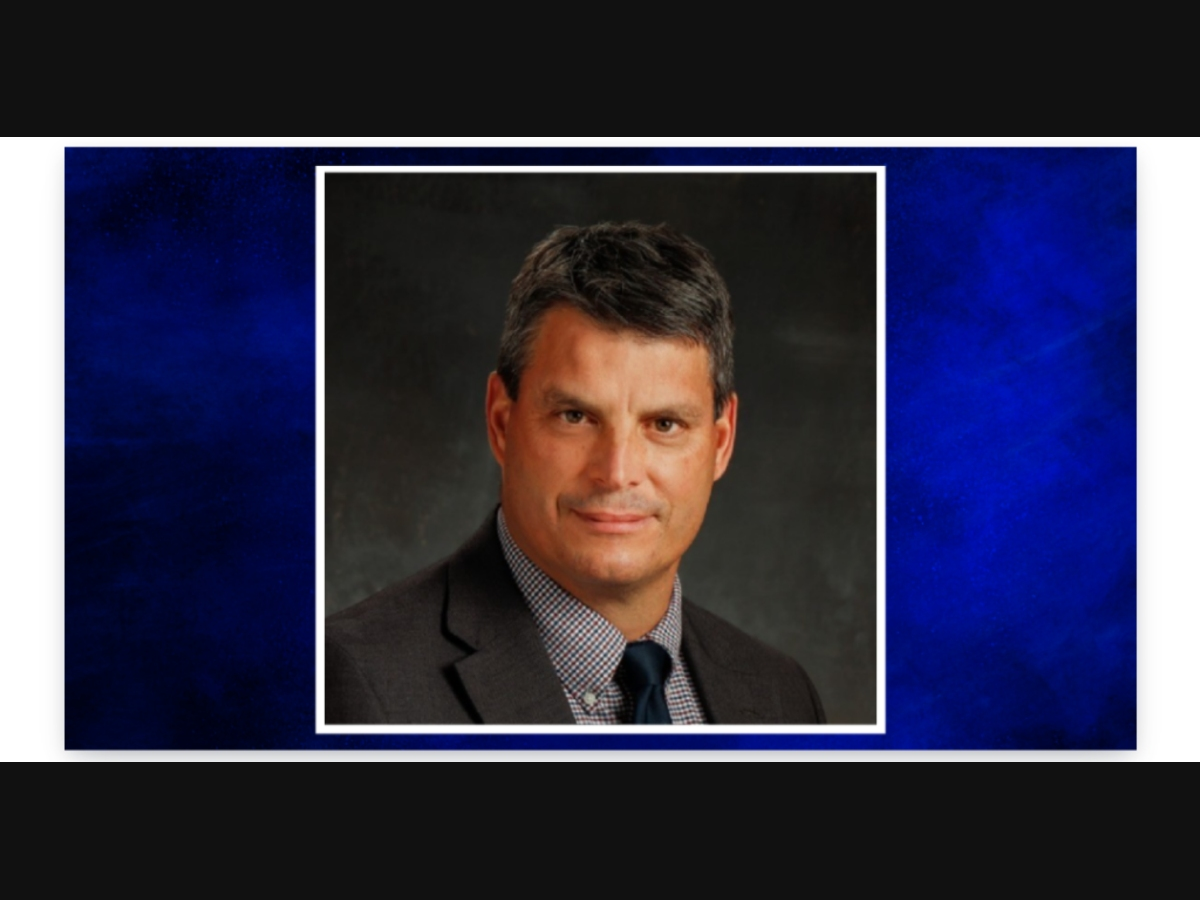
Travis Mills Foundation, based in Rome, Maine, is highlighting retired Maine State Police Lt. Christopher Coleman in its latest promotion to help solicit public support.
Find out what's happening in Across Mainefor free with the latest updates from Patch.
Mills, a retired U.S. Army staff sergeant, a quadruple amputee who survived an IED in Afghanistan, became known nationally for his motto of “never quit.”
Coleman has completed the foundation’s “PATHH” Program - “Progressive & Alternative Training for Helping Heroes.”
Find out what's happening in Across Mainefor free with the latest updates from Patch.
During his decades as a cop, Coleman was on call constantly and frequently summoned to major incidents.
“I felt stressed all the time and dreaded the phone ringing,” he says.
Over time, “he became disconnected from his family and had difficulty enjoying life,” the foundation says.
After retiring in 2016, the stark memories of his career began taking a toll on his well-being.
“I started reliving the incidents, homicides, death cases and shootings that I had been involved in,” he tells Mills.
Coleman struggled with sleep, changed jobs frequently, and felt the strain on his family relationships. He tried counseling once, but never went back.
Then came Warrior PATHH.
“PATHH isn’t therapy,” Mills says. “It’s a nonclinical program at the foundation designed to help veterans and first responders overcome post-traumatic stress and foster post-traumatic growth.”
The session includes spending a week in Maine and then 90 days of virtual coaching and “brotherhood.”
Coleman says the program helped him “learn from the past and release the guilt, sense of responsibility and sadness.
“I could choose to show compassion and kindness to myself,” he added.
“The biggest takeaway for me happened on the life-path exercise,” he says. “I realized that I have a bright future ahead with my family and I became excited about the future for the first time in decades.”
“Chris is not alone on this journey, as many of us found out after retirement,” said former trooper Tim Marks. “There is no program for PTSD like the military has. No follow up, you are on your own. I am glad Chris found this program and took advantage of it.”