Neighbor News
Ribbon-Cutting Ceremony for New Husson University Science Laboratories
$2 million in donations and institutional funds made the seven new state-of-the-art laboratories possible.

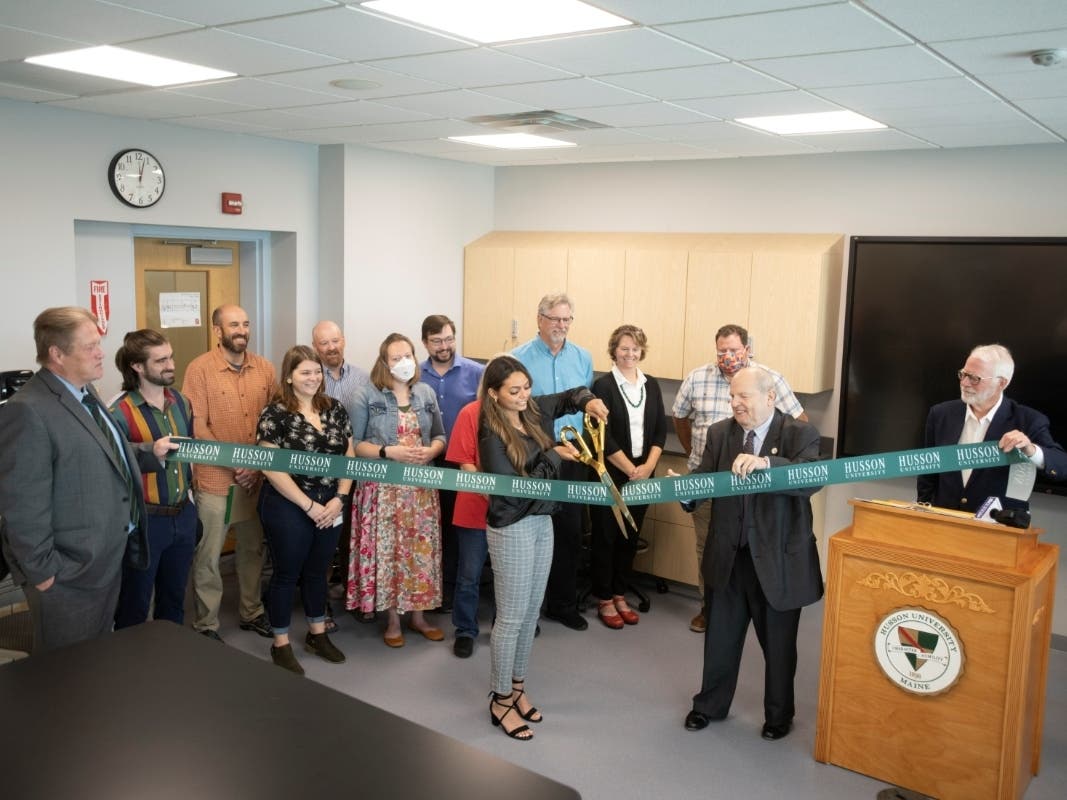
Husson University celebrated the official opening of seven new modern science laboratories with a ribbon-cutting ceremony on Thursday, August 25, 2022. Tours of the new facility, refreshments and science demonstrations were available at the conclusion of the ribbon-cutting ceremony.
“Incoming students have expressed a significant interest in pursuing careers in physical therapy, exercise science, occupational therapy, nursing, pre-medicine and pharmacy. Students are also pursuing degrees in biology, psychology and clinical mental health counseling,” said Dr. Robert A. Clark, president of Husson University. “Nearly all of the degrees I just mentioned require students to have an understanding of scientific theory and practices to be successful.”
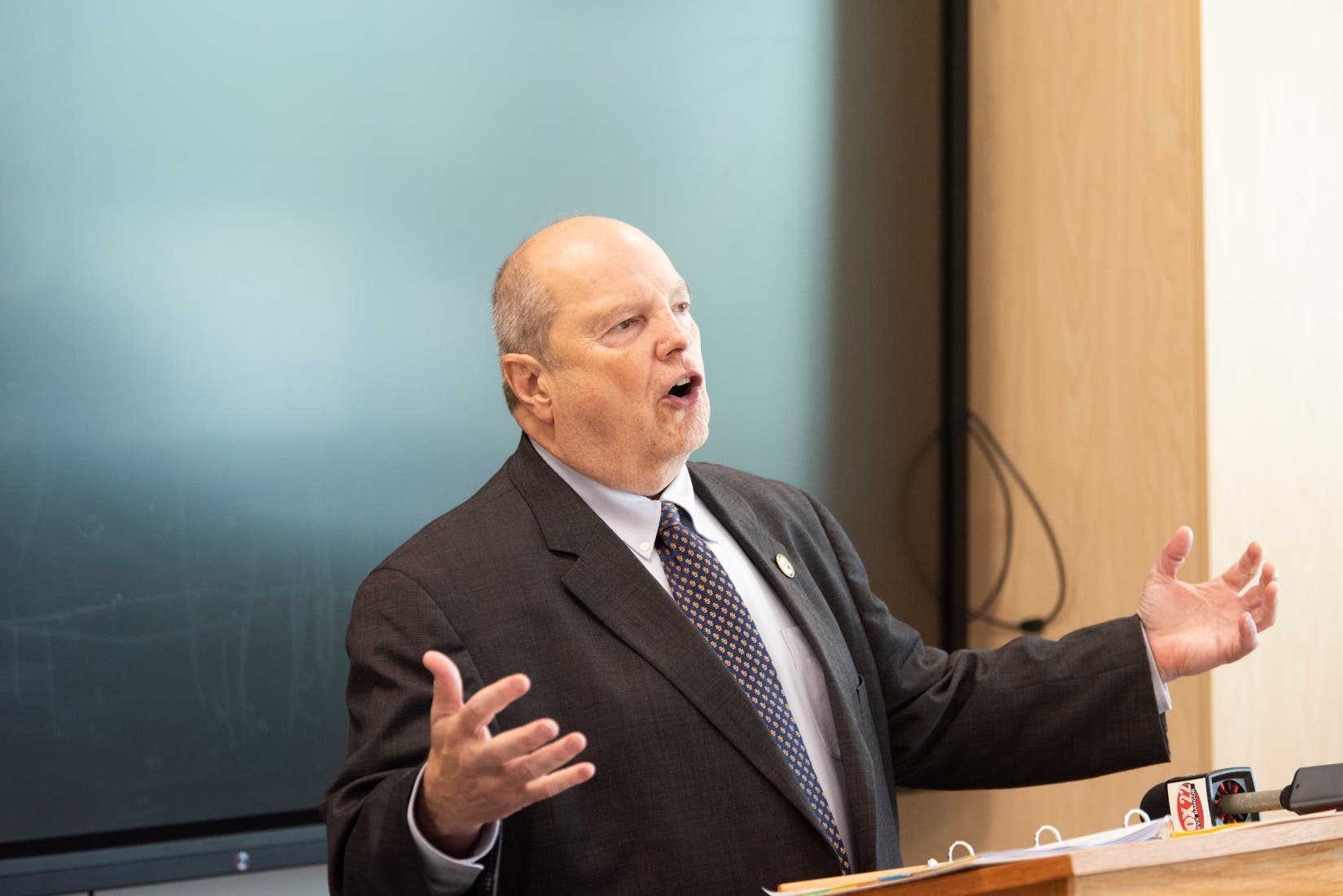
“Having access to modern science laboratories and the equipment they contain is essential to a successful education,” continued Clark. “This knowledge helps ensure students in health-related disciplines are work-ready on day one.”
Find out what's happening in Augustafor free with the latest updates from Patch.
Creating these new facilities required the University to spend $2 million. Included in this total were $588,000 in philanthropic gifts from alumni, trustees, faculty, staff, students, family members and friends of the University. It should be noted that 100% of the faculty from Husson University’s College of Science and Humanities helped support this project with their donations. An additional $1.4+ million in institutional funds ensured this project was fully funded as part of Husson’s commitment to innovative initiatives. The University did not borrow any funds or incur any debt to make these new facilities possible.
Approximately one-third of Husson’s current population is enrolled in health-related programs that would utilize these new biology laboratory facilities. This includes students enrolled in the University’s new pre-med degree program.
Find out what's happening in Augustafor free with the latest updates from Patch.
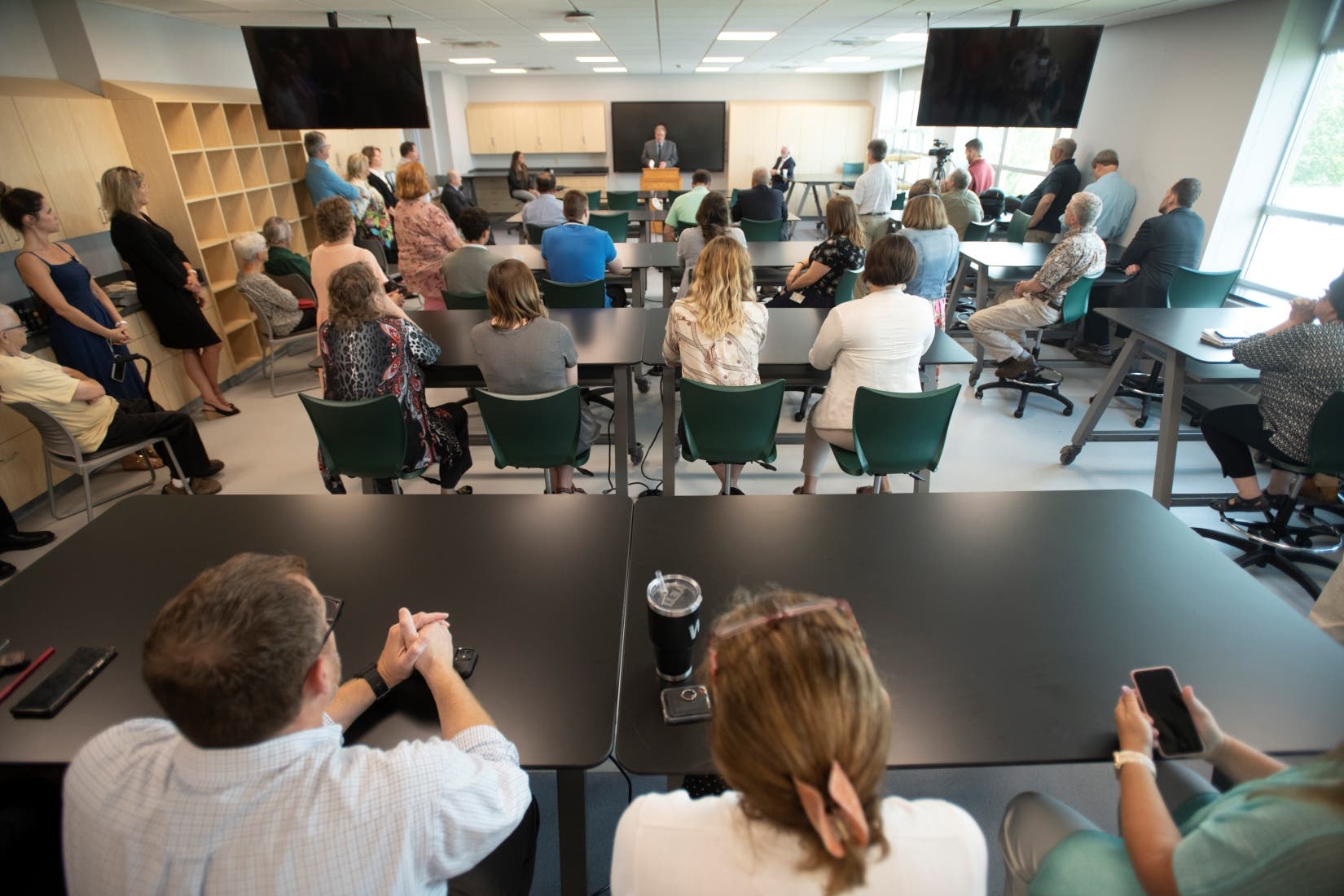
“These new labs will be used extensively by students going into healthcare-related careers. Here at Husson, nurses and pre-med students get to use the same kind of equipment found in professional medical facilities,” said Dr. Phillip Taylor, III, dean of the University’s College of Science and Humanities.
One such piece of equipment is a nuclear magnetic resonance (NMR) spectrometer. NMR spectroscopy allows individuals to observe magnetic fields around atomic nuclei. Found in professional healthcare research facilities, this equipment helps individuals better understand biological processes at the molecular level and the inner workings of cells.
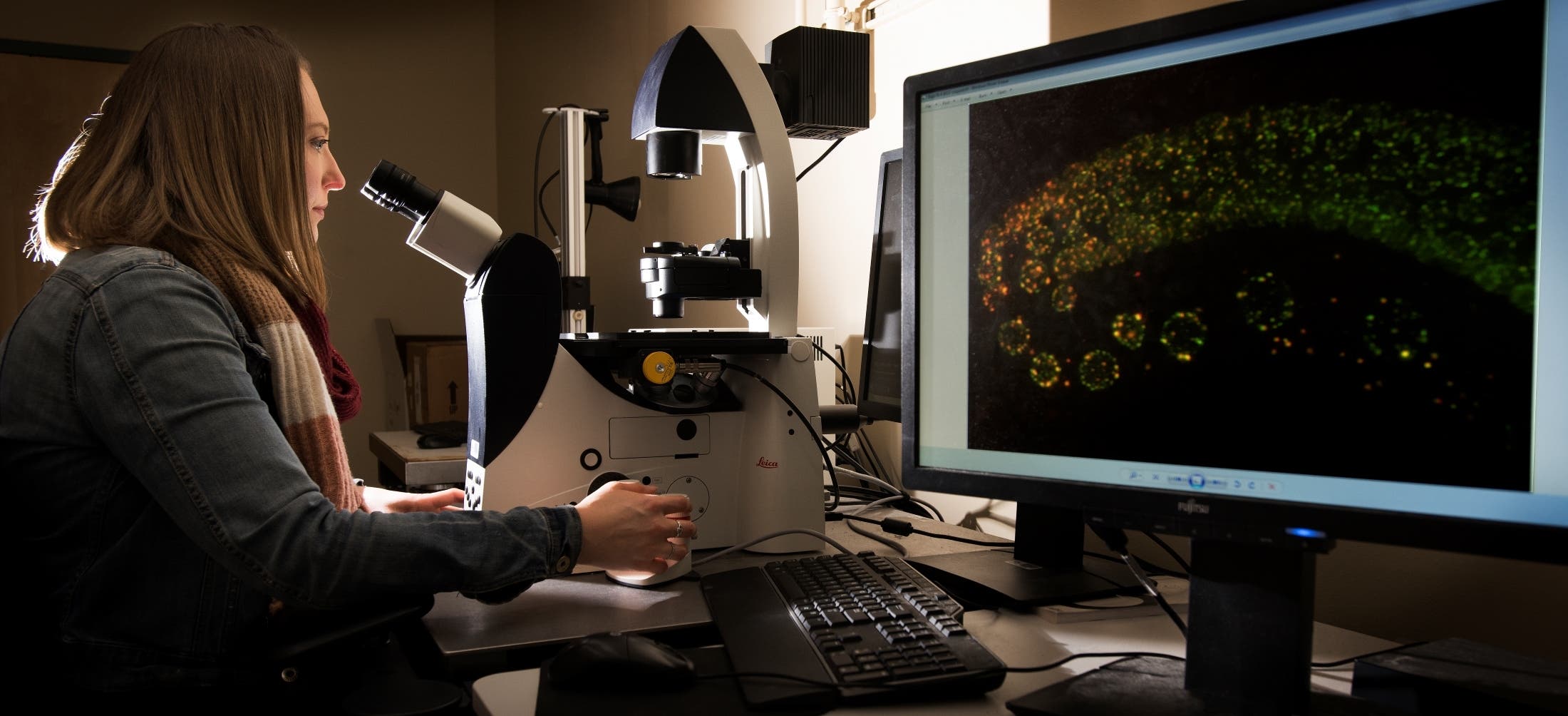
Students will also get to work with an inverted Leica DMI 6000 B microscope. This microscope was donated to the University by the Updike Lab at the MDI Biological Laboratory in Bar Harbor.
It has a 600 times magnification and can detect fluorescent-labeled proteins. It will give students the opportunity to study a wide variety of biological samples that were previously too small to see. These types of microscopes are used to look at cell and tissues samples in professional laboratories by lab technicians, research assistants, PhD students or those working for biotechnology organizations. Husson graduates might use a microscope like this to look at tissue or blood samples in a clinical laboratory setting to diagnose a disease, like blood cancer.
Being experienced in the use of this technology makes Husson graduates more marketable with biotechnology and pharmaceutical companies, hospitals, and other organizations that use science. One of the many students whose education will be enhanced by these new laboratories is Carla Rodriguez, a junior from Southbridge, Massachusetts who is double majoring in health sciences/pre-med and psychology. After graduating from Husson, Rodriguez has aspirations of furthering her education at a medical school in order to become a cardio or trauma surgeon.

“Facilities like these new labs are what make modern scientific education possible,” said Rodriguez. “I feel like every student at Husson is challenged to go further and achieve more than we might have thought was initially possible. In my case, working in these labs is going to give me a big boost of confidence.”
“Becoming a surgeon, means you need to do everything with your hands,” concluded Rodriguez. “Mixing chemicals or working on biology dissections are the kinds of experiences that will impact how I carry myself and how comfortable I’ll be in my future job.”
In addition to enhancing the high-quality education already available at Husson University Board of Trustees Chair John Rohman feels that these labs will make an important contribution to the economic development of our region.

According to the U.S. Bureau of Labor Statistics, science, technology, engineering and math jobs, also known as STEM jobs, are projected to increase 10.5% from 2020 to 2030, while non-STEM occupations should see a gain of only 7.5%. Median annual wages for STEM jobs were nearly $50,000 above non-STEM wages in 2020. And healthcare careers, which typically require STEM training, are expected to see even more growth than typical STEM jobs.
“Husson’s labs have an important role to play in creating economic prosperity here in Maine,” continued Rohman. “Science-based education at the University is creating the workforce needed to fill the good-paying local jobs of tomorrow. A talented and prosperous workforce will enhance the economic vitality of our entire region.”
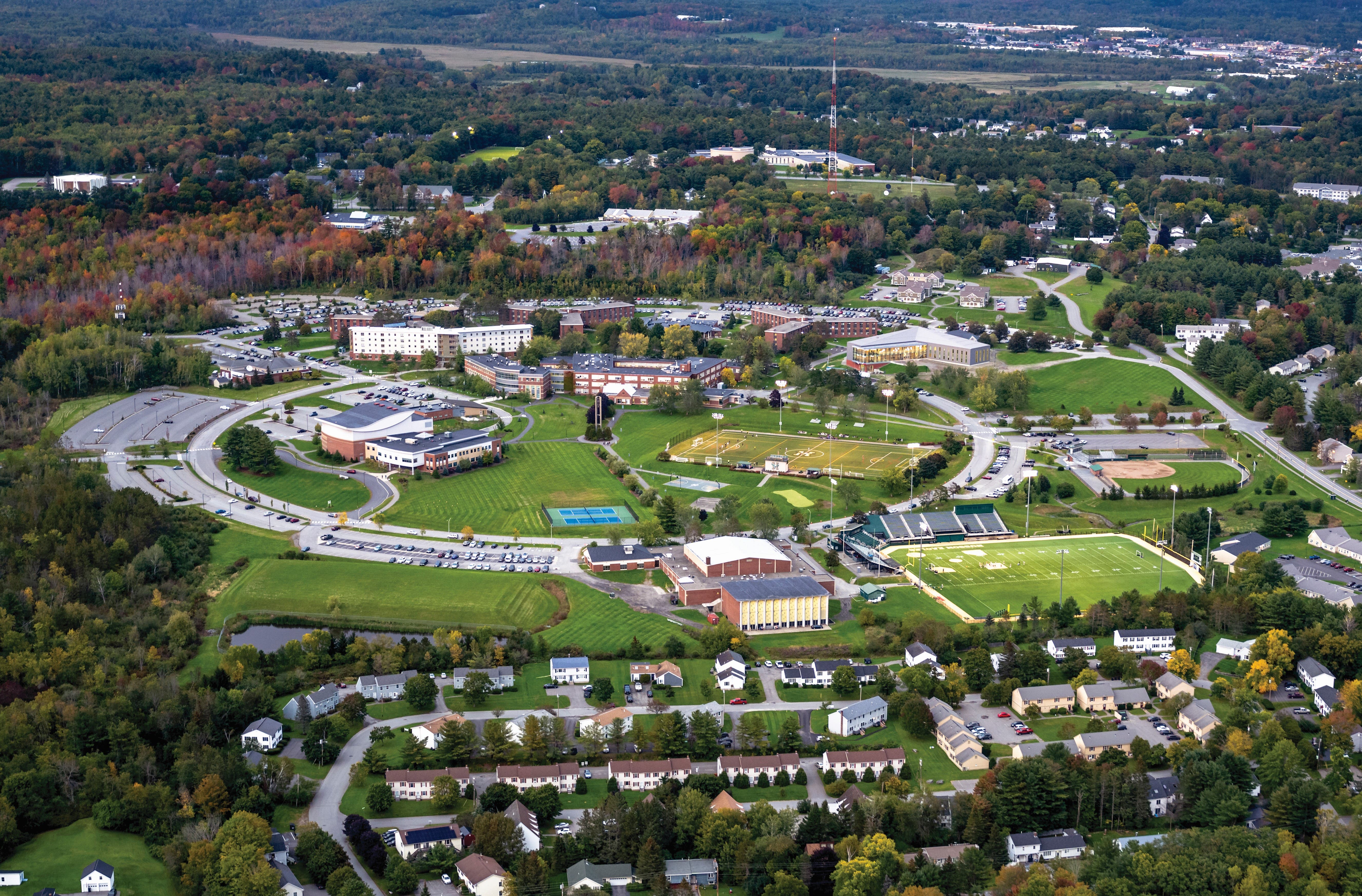
For more than 120 years, Husson University has shown its adaptability and strength in delivering educational programs that prepare future leaders to handle the challenges of tomorrow through innovative undergraduate and graduate degrees. With a commitment to delivering affordable classroom, online and experiential learning opportunities, Husson University has come to represent a superior value in higher education. The hallmarks of a Husson education include advanced knowledge delivered through quality educational programs in business; health and education; pharmacy studies; science and humanities; as well as communication. According to an analysis of tuition and fees by U.S. News & World Report, Husson University is one of the most affordable private colleges in New England. For more information about educational opportunities that can lead to personal and professional success, visit Husson.edu.