Neighbor News
St. Louis Rideshare Crash: Save These Records Under Missouri Zero Tolerance Rideshare Laws
Trip details and in-app messages can get buried in the weeks after a St.
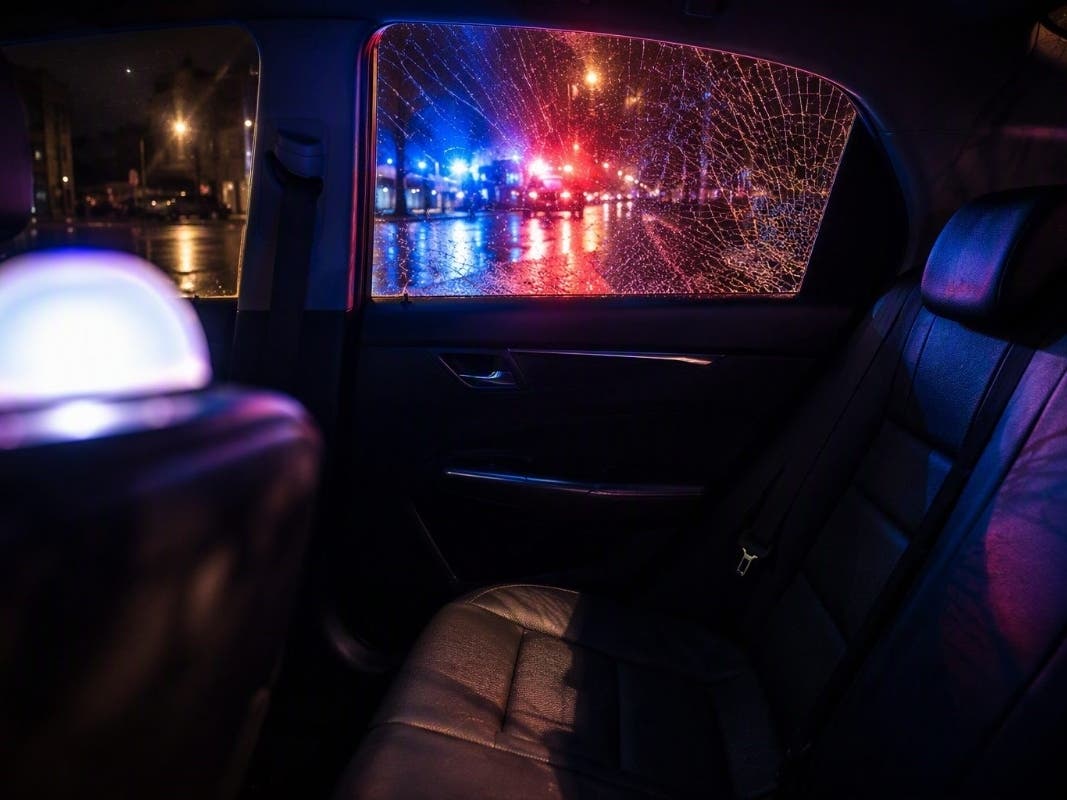
App data and official records get harder to retrieve over time. Save yours now.
Patch Staff
Trip details and in-app messages can get buried in the weeks after a St. Louis rideshare crash. App screens get redesigned, support conversations drift to email or phone, and the old information takes more digging to find. If you're looking at Missouri zero tolerance rideshare laws in 2026, save what's within reach in the app right now, then request official records on a separate track from the investigating agency.
Save These Rideshare Crash Records First
Save what's on your screen today. Leave original files alone, don't write notes on them, and don't crop your captures.
Find out what's happening in New Canadafor free with the latest updates from Patch.
- The full receipt: date, pickup and drop-off times, fare, and payment method.
- The driver's displayed name and profile photo, the vehicle description, and the license plate.
- The app's trip map with the route and the pickup and drop-off points.
- In-app messages, safety reports, support tickets, and confirmation emails.
- Original photos and videos of the vehicles and the street, including traffic controls and visible injuries.
- Witness names and direct contact details, recorded with their permission.
- The responding agency's name, its report or incident number, and officer information.
- Emergency care records, discharge papers, bills, and later treatment documents.
- Receipts covering transportation, medication, and other crash-related expenses.
- Emails and letters exchanged with insurers or rideshare representatives, including claim numbers and messages.
A cropped screenshot can miss details in the downloaded PDF receipt. Save the full file, then add an image of how the app displays it. Capture each screen before you move on. For long support conversations, keep the full run of screens together with the dates shown.
Media needs the same care. Photos and videos should stay unedited, no filters or crops, since apps that compress files can strip context and metadata; send people copies made separately.
Find out what's happening in New Canadafor free with the latest updates from Patch.
Witness information fades fastest of all. A name alone won't do. With permission, record a working phone number or email, and jot down where the witness stood and what they said they saw.
Missouri Zero Tolerance Rideshare Laws Can Produce Other Records
Under Missouri Revised Statutes Section 387.418, transportation network companies must carry a zero-tolerance intoxicant policy. It covers a driver's use of intoxicating substances during rides and during logged-in time spent awaiting requests. After a qualifying complaint, the company must suspend the driver's access for the length of the investigation and keep the complaint records for at least two years. Missouri's rideshare zero-tolerance rule is not the same thing as the zero-tolerance rules for young drivers.
What else exists hinges on the crash itself: police reports, chemical-test materials, and license paperwork. These records won't simply appear. Some need consent, a formal records request, or a subpoena.
Halvorsen Klote Davis as a St. Louis Resource
These records can matter in a claim. A zero-tolerance complaint documents an impairment report even when police bring no charges, and the two-year retention rule keeps that file on hand. Halvorsen Klote Davis on Missouri’s zero tolerance rideshare laws, a St. Louis firm, connects the complaint record with police files and Missouri's administrative license process, and its legal interpretations are the firm's own, not a government finding.
A saved complaint, test record, or license document doesn't establish who caused the collision. Preserving those records doesn't guarantee an insurance payment or a legal recovery.
App Records and Official Crash Reports Come From Different Places
| Record category | Typical holder | How the passenger may obtain it | Best preservation format |
| Trip receipt with driver profile and route | Rideshare platform or passenger account | Download available completed-trip receipts and capture full-screen records | Original PDF or email plus screenshots |
| Passenger photos and witness details | Passenger or witness | Save original files and record contact details with permission | Original media and a dated text document |
| Police crash or incident report | Investigating law enforcement agency | Use the report number and the agency's official request process | Agency-issued electronic or paper copy |
| Medical and insurance communications | Provider or insurer's claims administrator | Use the organization's records portal or written request process | Downloaded records and complete email files |
Getting the Receipt, Driver Information, and Route
Open the completed trip in your rider account and capture the full receipt and trip-detail screens before you leave them. Download or forward the receipt where the app allows it. Save the driver and vehicle information visible for that trip, plus support messages and the report's confirmation number.
Download tools differ. If your trip history lacks information, request it through the platform's current help or privacy portal.
Requesting Police and State Records in Missouri
For a city police investigation, use the St. Louis Metropolitan Police Department and its current records instructions. For a state investigation, use the Missouri State Highway Patrol crash-report process.
Keep the investigating agency's name and the incident or report number. When you contact the agency, ask which records it holds, how to request them, and whether recordings need a separate request.
Find out what's happening across Missouri for free with the latest updates from Patch.
Store the Evidence So Files and Messages Stay Usable
Keep an untouched master copy. Keep original downloads and media unchanged in a master folder; working copies live elsewhere.
Put a second copy somewhere safe. A secure cloud copy plus one on a separate device or encrypted drive covers most failure modes, so protect the account with a strong, unique password and multifactor authentication where available.
One folder per collision. Name working copies with the crash date and a short description, in the style of "trip-receipt.pdf," and keep an index of each file's source and save date. Don't change dates inside original documents.
Keep insurance messages in their original form. Retain whole email threads with attachments and claim-number notices; screenshots give you quick reference, but exported emails preserve more context. Keep sensitive material private. Medical records, witness details, and claim messages don't belong on social media.
A Complete Record Is Easier to Use Later
Records age badly. Apps redesign their screens, support chats scroll out of view, and agencies archive files on schedules you don't control. What you capture in the first week often survives, and a folder of dated originals turns a messy aftermath into a dependable account of what you reported and what followed.
Get more local news delivered straight to your inbox. Sign up for free Patch newsletters and alerts.