Weather
Hurricane Florence: How MD Residents Can Protect Pets In A Storm
Whether you're riding out Hurricane Florence from home or evacuating, here's how to keep yourself and your pet safe and healthy.


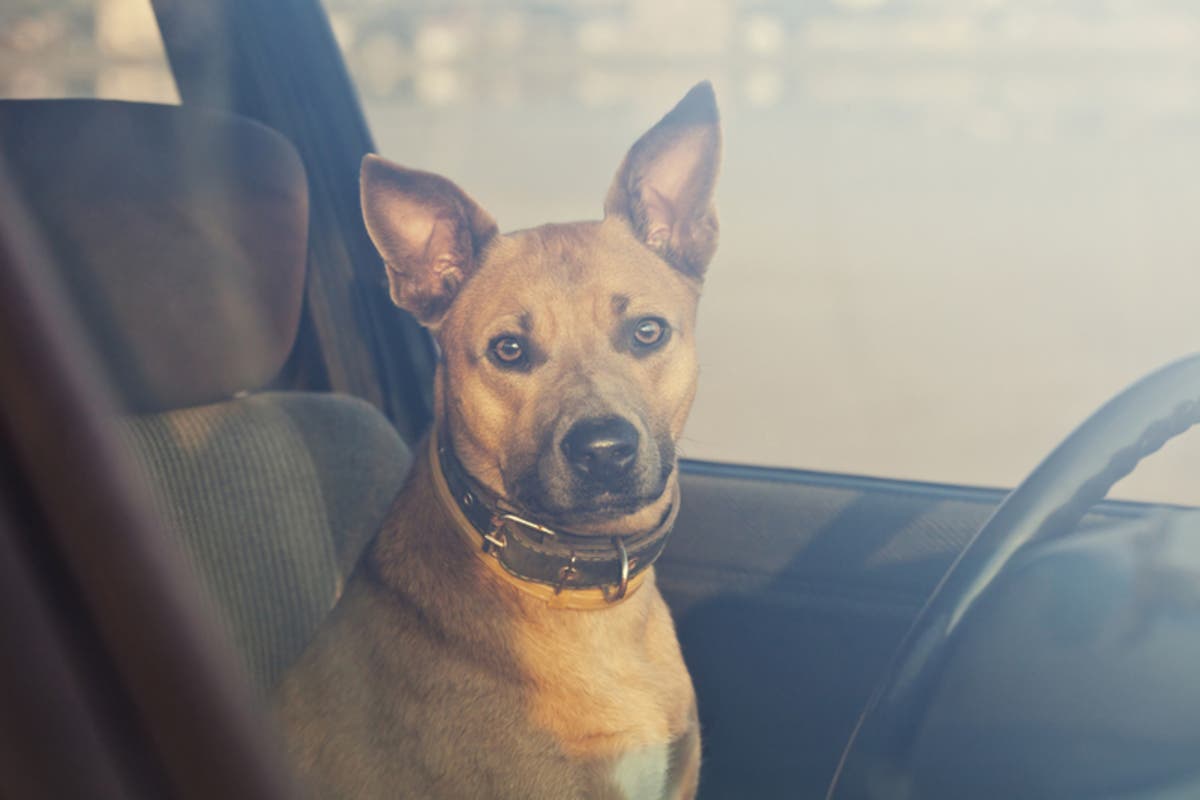
MARYLAND — Most pet owners consider their furry friends a part of the family — that's why it's vital to have a plan during a severe weather situation. And whether you're riding out the storm in your home or hitting the road to evacuate, your pet's wellbeing is a top priority.
Ready.gov, a government initiative aimed at keeping people safe during disasters, and the American Veterinary Medical Association recommend a few key tips when it comes to pet safety in a disaster, including getting informed, making a plan and building an emergency kit.
Here's what you should know to take great care of your pets during Hurricane Florence.
Find out what's happening in Across Marylandfor free with the latest updates from Patch.
Get Informed
- Stay tuned into local news for weather coverage that could affect your area. Know when to evacuate or shelter in place.
- Consider purchasing a NOAA Weather Radio to stay informed on severe weather updates.
- Download the FEMA app, used to receive weather alerts from the National Weather Service.
(Stay on top of all the latest Hurricane Florence news with our free, real-time news alerts, find your local Patch here. If you have an iPhone, click here to get the free Patch iPhone app; download the free Patch Android app here. And like Patch on Facebook!)
Find out what's happening in Across Marylandfor free with the latest updates from Patch.
Make a Plan
Don't leave your pet behind, and never tether it outdoors during bad weather.
- Talk to neighbors and friends about a buddy system. Ask them to check on your pets if you cannot.
- Find shelters in your area.
- Find pet friendly hotels along your evacuation route and keep a list in your pet’s emergency kit.
- Locate boarding facilities or animal hospitals near your evacuation shelter.
- Consider asking an out-of-town friend or relative to keep your pet.
- Plan ahead by identifying veterinarians or animal hospitals near your destination, in case your pet needs medical care while you're taking temporary shelter. Keep the contact information in your emergency kit.
- Make sure your pet has been microchipped, and that their profile reflects your current address and phone number. It can also include contact information for an emergency contact outside of your immediate area.
- If you can't return home when your evacuation ends, consider boarding your pet in a safe facility.
- Carry your pet's vaccination and medical records with you.
Tips for Large Animals
If you have livestock animals like horses, cattle, sheep, goats or pigs, you may need to do additional preparation. Ready.gov recommends that you:
- Make sure your animals have a form of identification.
- Evacuate animals if possible. Prepare evacuation routes in advance.
- Keep vehicles and trailers on hand for transporting animals if necessary.
- Ensure your destination has food, water, veterinary care, handling equipment and adequate shelter.
- If evacuation is not possible, animal owners must decide whether to move large animals to shelter or turn them outside.
Build a Kit
Ensure your pet's wellbeing with a handy kit containing basic survival items that will keep your pet happy and comfortable. If you don't know where to begin, consider using this list: Preparing Makes Sense for Pet Owners-Emergency Preparedness Pet Kit List (PDF).
Here's what the American Veterinary Medical Association recommends packing:
Food and Medicine
- 3 to 7 days' worth of dry and canned (pop-top) food*
- Two-week supply of medicine*
- At least 7 days' supply of water
- Feeding dish and water bowl
- Liquid dish soap
- Anti-diarrheal liquid or tablets
- Antibiotic ointment
- Bandage tape and scissors
- Cotton bandage rolls
- Flea and tick prevention (if needed in your area)
- Isopropyl alcohol/alcohol prep pads
- Latex gloves
- Saline solution
- Towel and washcloth
- Tweezers
- *These items must be rotated and replaced to ensure they don't expire
Sanitation
- Litter, litter pan, and scoop (a box with a plastic bag works well for pan)
- Newspaper, paper towels and trash bags
- Household chlorine beach or disinfectant
Important Documents
- Identification papers including proof of ownership
- Medical records and medication instructions
- Emergency contact list, including veterinarian and pharmacy
- Photo of your pet (preferably with you)
Travel Supplies
- Crate or pet carrier labeled with your contact information
- Extra collar/harness with ID tags and leash
- Flashlight, extra batteries
- Muzzle
Comfort Items
- Favorite toys and treats
- Extra blanket or familiar bedding
>>> Read more about pet safety and preparedness on Ready.gov.
Image via Shutterstock
Get more local news delivered straight to your inbox. Sign up for free Patch newsletters and alerts.