Health & Fitness
Scott Urges Local Leaders To Develop Response Plans Following Last Year's Mass Overdose Events
Lawmakers offered the Baltimore mayor a 'job well done' for the city's response to dozens of overdoses that resulted in zero fatalities.
February 4, 2026
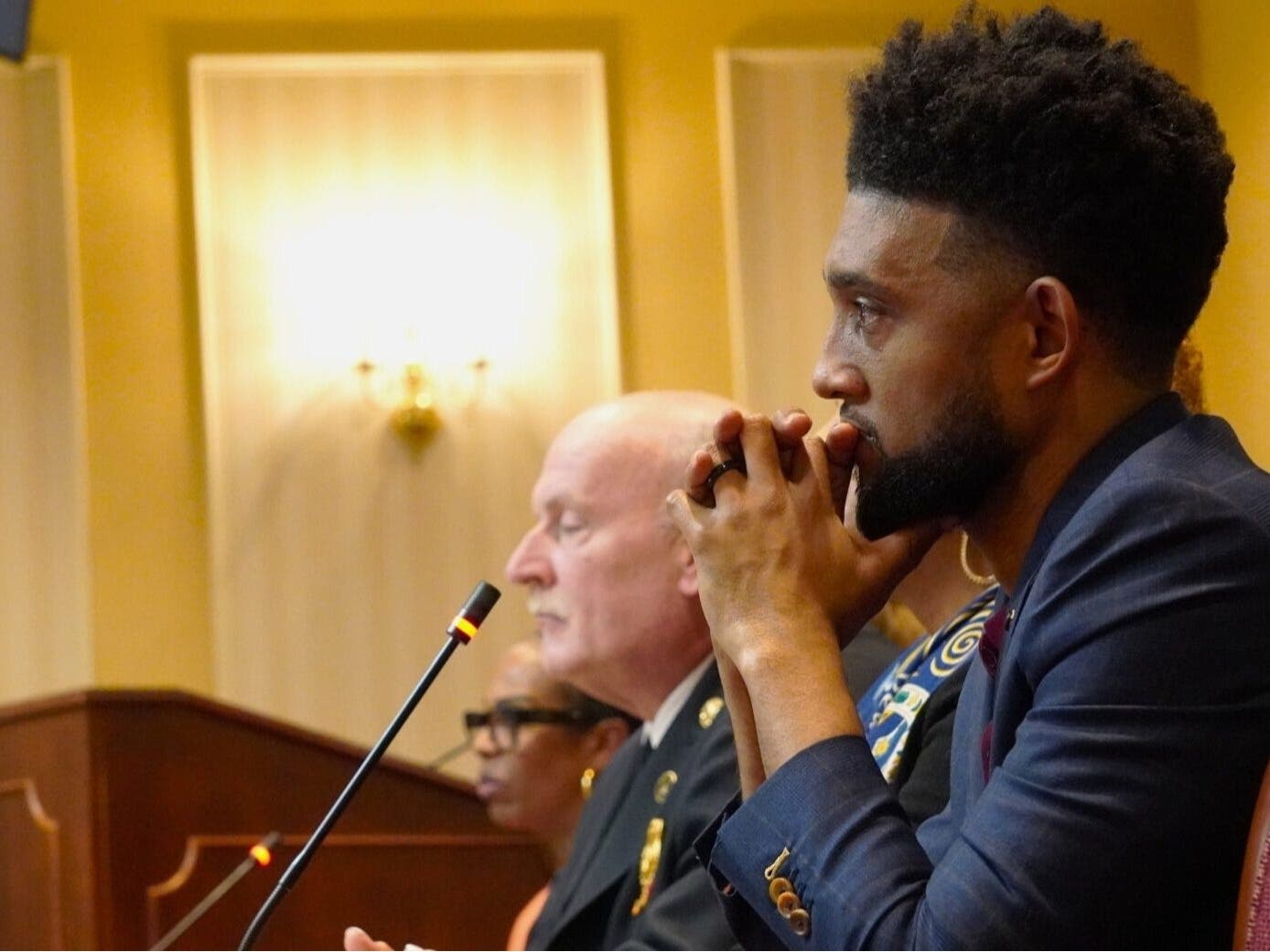
A summons to testify before state lawmakers can often be a strained affair, but senators essentially gave Baltimore officials a pat on the back Tuesday for the city’s response to “mass overdose” events last summer that sent dozens to emergency rooms, but resulted in zero fatalities.
Find out what's happening in Across Marylandfor free with the latest updates from Patch.
“It’s amazing that no lives were lost,” Sen. Justin Ready (R-Frederick and Carroll) said during Tuesday’s meeting of the Senate Finance Committee. “It’s just a credit to the care that all of you at the table, and the agencies you represent, took.”
Baltimore Mayor Brandon Scott (D) said the citywide life-saving effort was thanks to the city’s previous work to build an efficient overdose response network.
Find out what's happening in Across Marylandfor free with the latest updates from Patch.
“There is no rapid response without the intentional investment and relationship building that happened before,” Scott told lawmakers. “We were able to respond so quickly to these incidents and avoid any loss of life because our agencies had experience working together in response to smaller scale overdoses.”
He urged other jurisdictions to make their own plans before it’s too late.
“Do not wait until a crisis happens to take action, start laying the groundwork for your communities now,” he said.
Baltimore agencies now have official definitions for “mass overdose” events, following a situation this past summer that sent 27 people to the hospital for treatment, the first of what would be several major overdose events that year.
Officials say mass overdoses are situations with at least five overdoses in a 1-3 hour period at a single site or in a small geographic area.
Baltimore City Fire Chief James Wallace told lawmakers that first responders were initially notified of just one individual suffering from an overdose on North Avenue near Penn Station. That incident ballooned into the city’s first mass overdose event of the year.
“When our units arrived, they began to treat a critically ill individual — that evolved very quickly,” Wallace said. “We were approached by numerous people in the area, saying that there were multiple unconscious patients in a very unspecified radius around the incident itself.”
A total of 35 people were part of that overdose event, though some refused treatment. Of the 27 transported to hospitals, seven patients were in critical condition requiring ventilators, 15 patients needed immediate attention at hospitals and five needed less intensive care.
“All patient care was successful – we did not lose a life that day,” Wallace said, noting that Baltimore City Police were already at the scene resuscitating people with naloxone, an emergency opioid overdose reversal agent, before emergency medical services arrived.
Follow-up testing found that drugs involved included a mix of acetaminophen, caffeine, fentanyl, mannitol, methylclonazepam and quinine. Officials declined to elaborate further on the possible cause of the event, citing the ongoing investigation of the matter.
Scott announces grants to combat overdoses in Baltimore after another mass overdose event
The city continued response on the scene for two weeks after the July 10 event, focusing on harm reduction efforts and safe use resources to avoid additional overdoses in the area, and city agencies began building a protocol on how officials would respond to future mass overdoses.
As the city worked on its mass overdose response protocol, another event on July 18 sent five more people to the hospital. In October, 11 people were hospitalized in another mass overdose event. City officials were able to implement some of the “lessons learned” from July to the October event. All recovered without any fatalities.
Ready asked how more rural areas could adapt Baltimore’s overdose response in smaller communities.
Dr. Michelle Taylor, Baltimore’s health commissioner, urged him to start looking at data on overdoses in his jurisdiction and checking with first responders on how overdose response is currently working.
“How often are they responding? How often are they doing naloxone reversals?” she offered. “How often are you losing people to overdose, and then from there you can decide.”
Scott added that often people overdose in homes, which is a different challenge than the mass overdose events that happened in Baltimore.
“There’s been a lot of conversation about how and where there’s been an overdose. Because this happened at Penn North – outside, right?” Scott said. “Everyone knew. But so many of our residents actually overdose in their own homes.”
Sen. Antonio Hayes (D-Baltimore City), the vice chair of the committee, agreed that other counties should look into their response plans before a mass overdose event occurs, offering the Baltimore officials a “job well done” for their efforts.
“The potential of it happening in other places throughout the state is very great,” Hayes said. “Just want to make sure that our jurisdictions, no matter where it is, is prepared.”