Politics & Government
State Reopens Door To Public Funding For American Legion Bridge Reconstruction
The agreement follows meeting with the U.S. Transportation Secretary aimed at speeding work on theAmerican Legion, Francis Scott Key bridges
January 16, 2026
Maryland will reconsider private funding to help replace the American Legion Bridge, part of a larger agreement aimed at speeding construction of it and the replacement of the Francis Scott Key Bridge, officials announced late Thursday.
Find out what's happening in Across Marylandfor free with the latest updates from Patch.
The agreement was announced after a meeting Thursday afternoon between Gov. Wes Moore (D) and U.S. Transportation Secretary Sean Duffy, who has raised concerns recently about the escalating costs of the Key Bridge project, which has gone from an initial estimate of less than $2 billion in 2024 to as much as $5.2 billion today.
“During today’s meeting, we made significant progress,” Moore and Duffy said in a joint statement released last night. “We agreed to accelerate the reconstruction of both the Francis Scott Key Bridge and the American Legion Bridge.”
Find out what's happening in Across Marylandfor free with the latest updates from Patch.
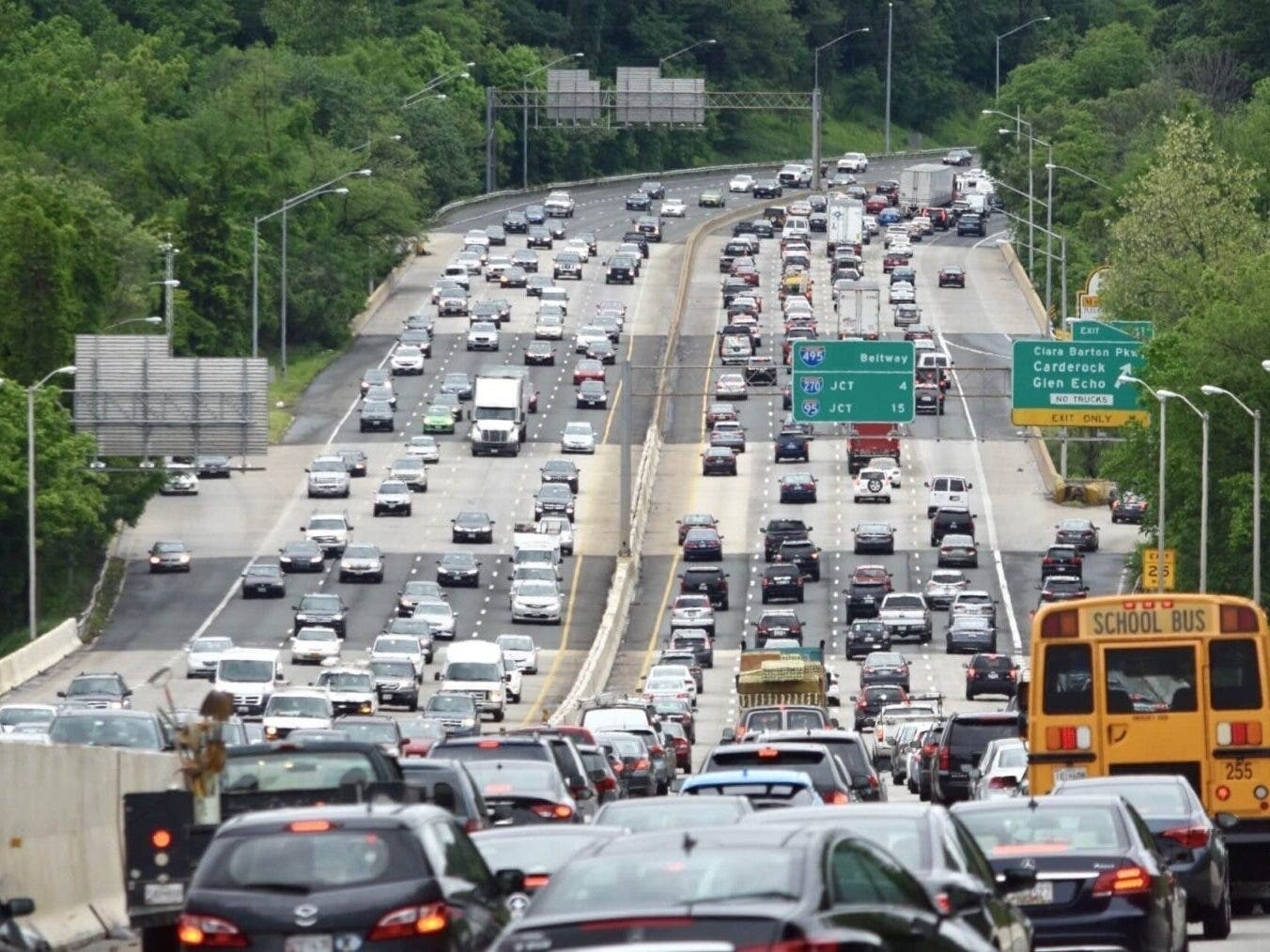
As part of that agreement for the American Legion Bridge, Moore agreed to “leverage innovative approaches like a public-private partnership (P3) that will ensure Maryland, Virginia, and D.C. commuters can soon experience some much-needed traffic relief from the most congested corridor in America.”
Key Bridge replacement costs soar as high as $5.2 billion, opening delayed to 2030
It’s a reversal for Moore, who threw out a P3 plan for the bridge that had been pursued by his predecessor, Gov. Larry Hogan, shortly after Moore took office in 2023.
Hogan’s plan was announced in partnership with Virginia, which has made heavy use of privately financed toll roads to widen its portion of the Capital Beltway in recent years. That plan would have widened the bridge from four lanes in each direction to six, part of a larger scheme by Hogan to use toll lanes to widen portions of Interstates 270 and 495.
Shortly after his election in 2022, Moore said he was scrapping Hogan’s plans for the bridge and for private funding. The state has been pursuing federal funding for the project since.
After the collapse of the Key Bridge in 2024, then-President Joe Biden quickly pledged that the federal government would fund 100% of the cost to replace it, and Congress eventually approved a bill promising the level of funding.
While President Donald Trump has threatened funding for the Key Bridge, and Duffy has repeatedly raised questions about its cost and the state’s use of disadvantaged business contracts on the project, state officials have expressed confidence that the law promising full federal funding would hold, and protect the state.
Thursday’s joint announcement did say, without elaboration, that Moore and Duffy had “made significant progress on cost sharing … to ensure fairness” on the Key Bridge. Details on all of Thursday’s announcements are still to be worked out by staff.
Overall, aides said, what could have been a fraught meeting in Washington between the governor and secretary turned out to be amiable and productive.