Weather
2018 Hurricane Season Forecasts Out, Potential Maryland Impact
Two hurricane forecasts were released that show the potential impact on Maryland.


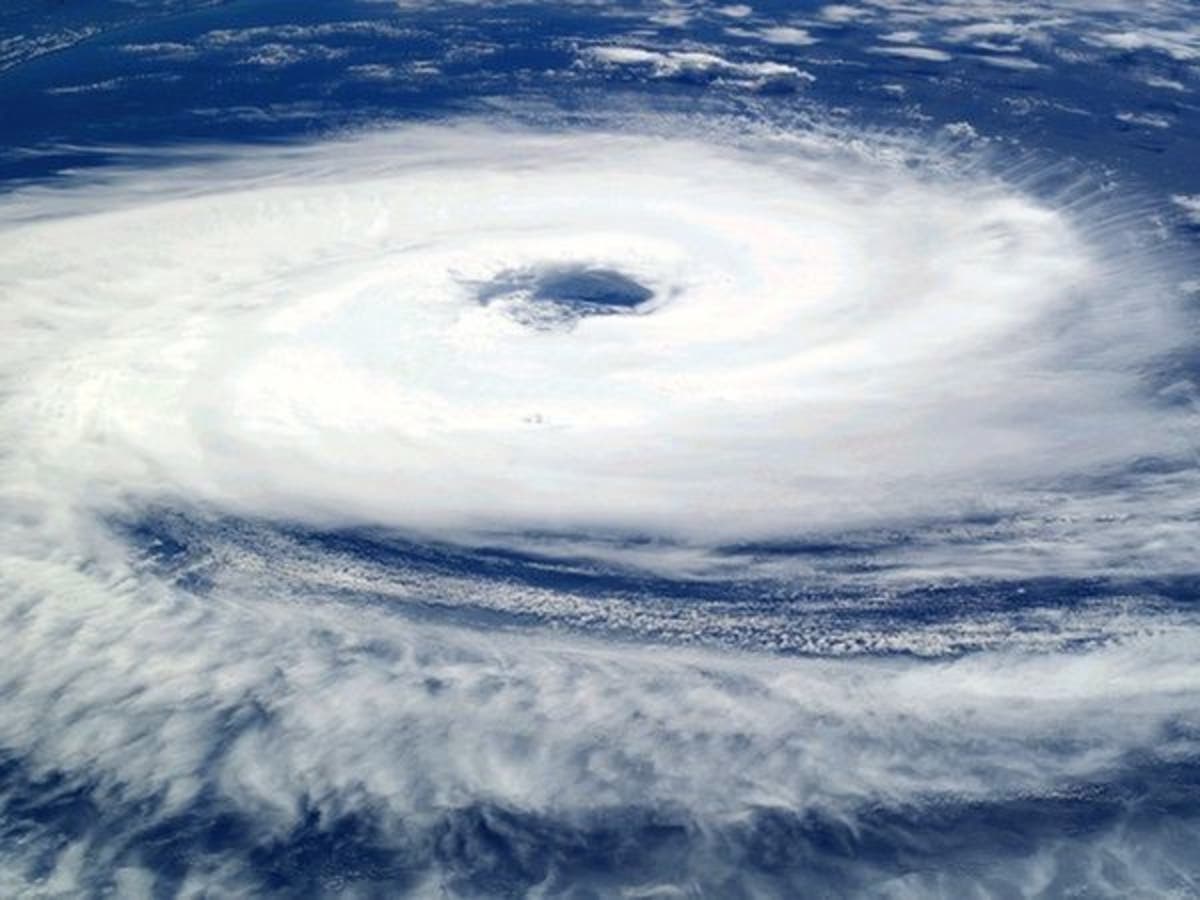
Last September, hurricanes Irma and Maria wrought widespread damage in Florida and Georgia, flooded parts of Texas that trapped residents in their cars and homes, leveled parts of Puerto Rico and other portions of the Caribbean, and sent refugees fleeing north to Virginia and Maryland. With all of that in mind, folks along the East Coast are wondering what the 2018 hurricane season might bring.
Two hurricane forecasts released in the past two weeks say that the Atlantic Coast – and potentially Maryland – could have a damaging storm season.
Weather researchers at Colorado State University said they are predicting a slightly above-average Atlantic hurricane season in 2018; last year they called for slightly below average storm activity, so the increased odds for storms could be troubling. The university's Tropical Meteorology Project team predicts 14 named storms between June 1 and Nov. 30. Of those, researchers expect seven to become hurricanes and three to reach major hurricane strength.
Find out what's happening in Annapolisfor free with the latest updates from Patch.
"It takes only one storm near you to make this an active season," warned Michael Bell of the University's Tropical Meteorology Project.
AccuWeather forecasters, meanwhile, are predicting a near normal to slightly above-normal year with between 12 to 15 tropical storms. Of those storms, 6 to 8 are forecast to become hurricanes and 3 to 5 are forecast to become major hurricanes.
Find out what's happening in Annapolisfor free with the latest updates from Patch.
"Last year we had 17 tropical storms. This year may not be quite as active, but still probably normal to slightly above normal," AccuWeather Atlantic Hurricane Expert Dan Kottlowski said.
According to the Colorado State researchers, the predictions show a less than 40 percent chance a major hurricane will strike the U.S. East Coast. The threat isn't as high in Maryland, as they say there's a 2 percent probability the state will be impacted by a hurricane and less than a 1 percent chance of impact from a major hurricane. Between 1856 and 2008, the state has been impacted by just two hurricanes and no major hurricanes.
Colorado State University hurricane researchers base the prediction on what they described as a relatively low likelihood of a significant El Niño.
"Tropical Atlantic sea surface temperatures are currently near their long-term average values. Consequently, they are considered a neutral factor for 2018 Atlantic hurricane activity at the present time," according to researchers. "El Niño tends to increase upper-level westerly winds across the Caribbean into the tropical Atlantic, tearing apart hurricanes as they try to form."
The team based its predictions on more than 60 years of historical data that include Atlantic sea surface temperatures, sea level pressures, vertical wind shear levels (the change in wind direction and speed with height in the atmosphere), El Niño (warming of waters in the central and eastern tropical Pacific), and other factors.
SEE ALSO:
Storm Names Released For 2018 Hurricane Season
So far, the 2018 hurricane season appears to be shaping up like the hurricane seasons of 1960, 1967, 1996, 2006 and 2011.
"The years 1960, 1967 and 2006 had near-average Atlantic hurricane activity, while 1996 and 2011 were both above-normal hurricane seasons," explained the university's Phil Klotzbach, who presented the findings at the National Tropical Weather Conference in South Padre Island, Texas.
"The team predicts that 2018 hurricane activity will be about 135 percent of the average season. By comparison, 2017's hurricane activity was about 245 percent of the average season," according to researchers. "The 2017 season was most notable for Hurricanes Harvey, Irma and Maria, which devastated the United States and portions of the Caribbean."
The CSU team will issue forecast updates on May 31, July 2 and Aug. 2.
Researchers caution that the prediction is only intended to be a best estimate of hurricane activity during the upcoming season — not an exact measure. This is the 35th year that the CSU hurricane research team has issued the Atlantic basin seasonal hurricane forecast.
The report also included the following probabilities of major hurricanes making landfall:
- 63 percent for the entire U.S. coastline (average for the last century is 52 percent)
- 39 percent for the U.S. East Coast, including the Florida peninsula (average for the last century is 31 percent)
- 38 percent for the Gulf Coast from the Florida panhandle westward to Brownsville (average for the last century is 30 percent)
- 52 percent for the Caribbean (average for the last century is 42 percent).
Visit the Landfall Probability website for information on all coastal states as well as 11 regions and 205 individual counties along the coast. Landfall probabilities for regions and counties are adjusted based on the current climate and its projected effects on the upcoming hurricane season.
Maryland Hurricane History
To find out more about hurricane season and storm preparation, read these related Patch stories:
- Remember Agnes? 14 Maryland Hurricane Names You May Want To Forget
- Hurricane Tips If Storm Hits Maryland
Maryland has been spared "the big one" on most occasions, but for roughly 60 years, named hurricanes have battered our water-oriented state, altering our lifestyles and our history.
Hurricanes Connie and Diane pounded Maryland in October 1955. Just days apart in their torture on the East Coast, the storms caused widespread flooding. Connie essentially came right up the Bay.
Meanwhile, Diane came on land near the Carolina border and turned east to pass over northern Maryland before going back out to sea.
More recently, Hurricane Sandy in October of 2012 made landfall just north of the upper Chesapeake Bay region, and destroyed the Ocean City fishing pier. From there it went on to devastate oceanfront areas of New Jersey and New York.
Residents readying for the upcoming season can get tips and advice on the federal government's Ready.gov website. To read the full 2018 Atlantic hurricane season prediction report, visit CSU online.
To keep up with potential storms during hurricane season, bookmark the National Hurricane Center's website. For local weather and severe weather alerts, visit the National Weather Service online.
Includes reporting by Patch Editor Paul Scicchitano
(For more news like this, find your local Patch here. If you have an iPhone, click here to get the free Patch iPhone app; download the free Patch Android app here.)
Image via the National Hurricane Center
Get more local news delivered straight to your inbox. Sign up for free Patch newsletters and alerts.