Weather
2019 Hurricane Season Safety Tips From Anne Arundel Officials
Anne Arundel County officials remind residents of ways to keep safe as the hurricane season officially begins for 2019.


ANNAPOLIS, MD — Summertime heat is moving into the area and June 1 marks the official start of the Atlantic hurricane season for 2019. Anne Arundel County officials on Friday issued safety tips and reminders on steps residents can take before any storms threaten this year.
The National Oceanic and Atmospheric Administration said last week that its Climate Prediction Center predicts nine to 15 named storms and two to four major hurricanes this year. Experts say there's a 40 percent chance of a "near-normal" Atlantic hurricane season, but there is also a 30 percent chance of an "above-normal" hurricane season.
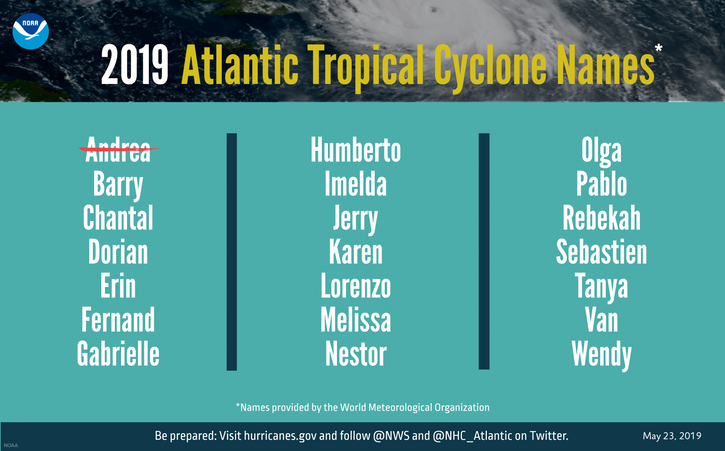
An average hurricane season produces 12 named storms of which six become hurricanes, three of which will become major hurricanes. The hurricane season officially extends from June 1 to Nov. 30. The first tropical storm of the season will be named Barry.
Find out what's happening in Annapolisfor free with the latest updates from Patch.
The Anne Arundel County Office of Emergency Management urges residents to prepare before hurricanes to minimize damage during this year’s season.
Steps that should be taken ahead of time include:
Find out what's happening in Annapolisfor free with the latest updates from Patch.
- Build an emergency kit to include at least two weeks’ worth of supplies, including stocking up on necessary medications for family members and any pets.
- Create a family communications plan; make sure you know where you would go and how you would get there if you needed to evacuate.
- Make plans to secure your property.
- Be sure trees and shrubs around your home are well trimmed so they are more wind resistant.
- Clear loose and clogged rain gutters and downspouts.
- Reinforce your garage doors; if wind enters the garage, it can cause dangerous and expensive structural damage.
- Determine how and where to secure your boat.
- If in a high-rise building, be prepared to take shelter on or below the 10th floor.
If a hurricane is likely in your area, you should:
- Listen to local news and utilize a NOAA All Hazards Weather Radio; ensure you have the warning alarm tone enabled to receive alerts.
- Identify community primary and alternate evacuation routes as well as any nearby
- shelters.
- Secure your home, close storm shutters and secure outdoor objects or bring them indoors.
- Turn off utilities if instructed to do so. Turn the refrigerator thermostat to its coldest setting and keep the doors closed.
- Know how and where to shut off any outdoor propane supply tanks.
- Never connect a portable generator to the house wiring and never use a generator indoors.
- Bring pets inside with you.
- Avoid using the phone, except for serious emergencies; ensure you have emergency contacts preprogrammed.
- Ensure you have an adequate supply of water for sanitary purposes such as cleaning and flushing toilets. Fill the bathtub and other larger containers with water.
- Find out how to keep food safe during and after an emergency by visiting the United States Department of Agriculture’s website.
- Charge your electronic devices ahead of the storm.
- Keep your gas tank full.
- Put paper maps in the car.
If you need to evacuate:
- If local authorities tell you to evacuate, be sure to follow their instructions and always follow posted signs.
- If you live in a mobile home or temporary structure – such structures are particularly hazardous during a hurricane no matter how well fastened to the ground.
- Never drive through flooded waters or around barricades.
- Know that traffic lights and signs may be missing or damaged.
For more information on how to prepare before, during, and after a storm, visit theOffice of Emergency Management's website.
Get more local news delivered straight to your inbox. Sign up for free Patch newsletters and alerts.