Health & Fitness
Our dirty little secret source of water pollution in the Severn River: dog waste
Maryland Department of Environment says 68 percent of bacteria pollution in the Severn River is from pet waste, i.e. doggie doo.
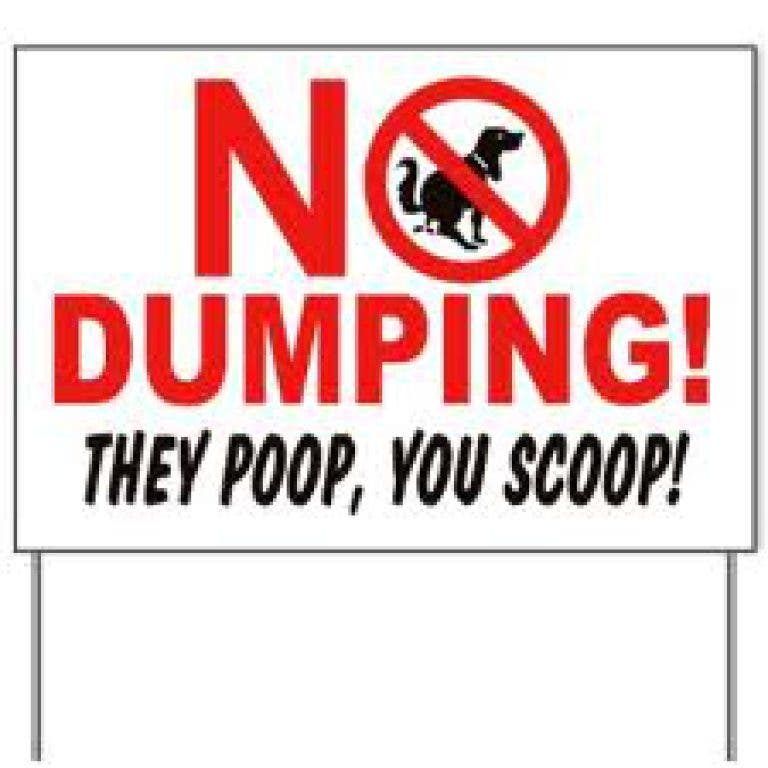
Ok people, let’s either clean up after our dogs, or not have them at all. Because in Greater Annapolis, we are fouling the very water where we swim, fish and boat. Pet poop is a prime source of one type of pollution that is preventing us from enjoying our local water.
Here’s the scoop.
Fecal bacteria is considered water pollution when it reaches unhealthy levels. That bacteria comes from animal or human waste. For years, the Severn River has been closed to oyster harvesting because of high bacteria levels. The river is listed officially by the U.S. Environmental Protection Agency as “impaired” for bacteria.
Find out what's happening in Annapolisfor free with the latest updates from Patch.
On its website, Anne Arundel County attributes the source of the high bacteria readings in the Severn to malfunctioning septic systems along the river. Well, that is only partly right.
The Maryland Department of Environment (MDE) says 68 percent of the bacteria pollution in the Severn River watershed is from “pet waste.” That means dog doo. Other rivers and creeks also are virtual toilets for dogs. In one tributary subwatershed of the Magothy River, Forked Creek, dog waste contributed 87 percent of the bacteria pollution.
Find out what's happening in Annapolisfor free with the latest updates from Patch.
Like a detective investigating a crime, MDE uses something called bacteria source tracking to figure out whether bacteria is coming from septic or sewer systems, farm animals, wildlife, pet waste, etc. Of the 13 watersheds the agency has tested Forked Creek contains the highest percentage of pet waste bacteria, and the Severn is second worst, according to data provided to me by Tom Thornton of MDE.
We have a lot of dogs. Many people aren’t cleaning up after their pets. A survey of Chesapeake Bay area dog owners many years ago found about 41 percent of those who walk their animals never, rarely or only occasionally pick after their pets, coming home empty or with only a guilty smirk.
While it’s easy to tell yourself one pile of poop from my cute spaniel isn’t going to harm anyone, the facts are that the collective piles left behind day after day contain a sh%# load of bacteria and nutrients. Rains wash the waste directly into our creeks, river and the Chesapeake Bay.
The waste in our water impacts more than oysters. MDE warns us not to swim in Maryland water for 48 hours after a rain storm because that’s when bacteria levels are highest. Runoff carries pollution from the landscape into the water. One of those pollutants is dog waste, laden with bacteria. A swimmer swallowing this type of pollution can become sick to his or her stomach. Each summer Anne Arundel County closes beaches to swimming, or issues water advisories, when county inspectors find high bacteria readings.
People complain angrily when sewer lines or sewer pumping stations malfunction and raw sewage spills into one of our rivers, such as the recent “spill” of 17 million-gallons-a-day of sewage into the Patapsco River. The spills make me angry, too. Talk about bacteria. But how often do you see a letter to the editor about doggy discharge? I love this line from the 1999 survey of Chesapeake Bay dog owners by the Center for Watershed Protection: “Dog waste is an issue that does not receive a lot of attention, except when you have some on your shoe.”
But shouldn’t we be angry? While it’s less dramatic than a ruptured sewer line, I’d venture to say the cumulative impact of dog waste in our water has more impact than the occasional sewer spill.
I did a little math to investigate the extent of our dirty little secret source of water pollution.
I used information from the Center for Watershed Protection dog owner survey about how many people walk their dogs, and how many don’t clean up after their dogs. I threw in some Census numbers on households in Anne Arundel County and total dogs from those households (120,000), and other information gathered from reliable places like Google searches. What I concluded is county dog owners leave behind more than 28,000 pounds of poop a day, or 10 million pounds of feces a year.
Ten million pounds of animals waste!
So folks, we have a major problem here. And in addition to fecal bacteria, dog waste like other excrement carries high levels of nutrients, a prime culprit in the poor health of the Chesapeake Bay and its tributaries.
Why don’t those 41 percent of dog owners do their duty with their dog’s doo? Well, in the words of the 1999 survey report:
“The biggest problem with the issue of pet waste is that many residents do not perceive it as a water quality issue. In our survey, 37 percent of dog walkers did not agree or expressed no knowledge when asked if pet waste could contribute nutrients to local water bodies.”
Please police your pile.