Politics & Government
Chesapeake Bay Foundation Plans To Sue EPA
The foundation said the EPA has failed to take action for what it describes as an "inadequate pollution reduction plan from Pennsylvania."


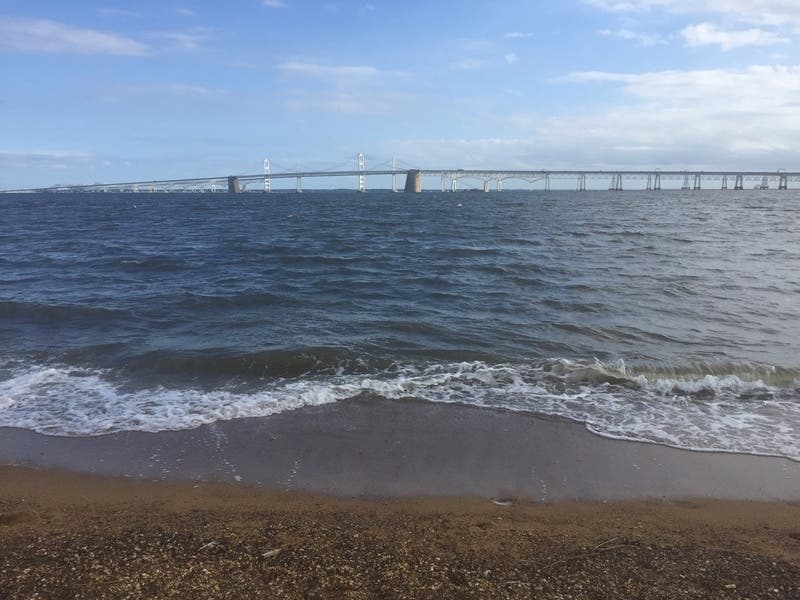
ANNAPOLIS, MD — The Chesapeake Bay Foundation has prepared a notice of intent to sue the U.S. Environmental Protection Agency, stating that the agency has failed to take action for what the foundation describes as an "inadequate pollution reduction plan from Pennsylvania."
“That EPA is abdicating its responsibility under the Clean Water Act is a tragedy. Failing to hold Pennsylvania accountable undermines the success we have seen in recent years. It is snatching defeat from the jaws of victory. Agriculture is the largest source of pollution from Pennsylvania. While farmers and conservation districts have demonstrated their willingness to install practices that reduce pollution, the Commonwealth’s elected officials have failed to provide sufficient cost-share funding to achieve the goals that Pennsylvania has repeatedly promised to reach by 2025. If EPA does not fulfill its responsibilities to the region’s residents and the American public by holding the Commonwealth accountable, Pennsylvania’s local waters and the Bay downstream will never be saved," said CBF President William C. Baker in a statement.
According to the foundation, Pennsylvania released its plan for reducing pollution between now and the 2025 deadline and that plan has a funding shortfall of more than $300 million annually. Even if the money were allocated, the plan falls 25 percent short of the nitrogen goal, the foundation noted.
Find out what's happening in Annapolisfor free with the latest updates from Patch.
“We are currently in discussion with a range of potential partners concerning the legal strategies we can use to force EPA to comply with the law. For CBF, litigation is a last resort. However, with Bay restoration and clean water for future generations at risk, we have no alternative due to EPA’s failure to act. We must hold EPA accountable now if we are going to save the Bay," stated CBF Vice President for Litigation Jon Mueller.
In 2009, CBF and partners sued the federal Environmental Protection Agency (EPA) for what they called a "lack of enforcement of the Clean Water Act in the Chesapeake Bay region." A year-long negotiation between CBF and EPA followed and ultimately culminated with the Obama Administration’s EPA developing a Bay watershed-wide Total Maximum Daily Load, a limit on the pollution the Bay can withstand and remain healthy.
Find out what's happening in Annapolisfor free with the latest updates from Patch.
The CBF agreed to drop the suit and the Chesapeake Clean Water Blueprint was launched, with a goal of having the programs and practices in place by 2025 that will lead to a restored Bay. All the Bay states, the District of Columbia and EPA endorsed the pollution reductions and agreed to an allocation formula in which each jurisdiction promised to reduce its share of nitrogen, phosphorus and sediment pollution.
Get more local news delivered straight to your inbox. Sign up for free Patch newsletters and alerts.