Schools
'Danger Zone': Avoid $570 Fine, Safely Pass Stopped School Bus In Maryland
Brush up on the rules of the road when it comes to driving through a school zone in Maryland. The 2017-18 school year starts Sept. 5.


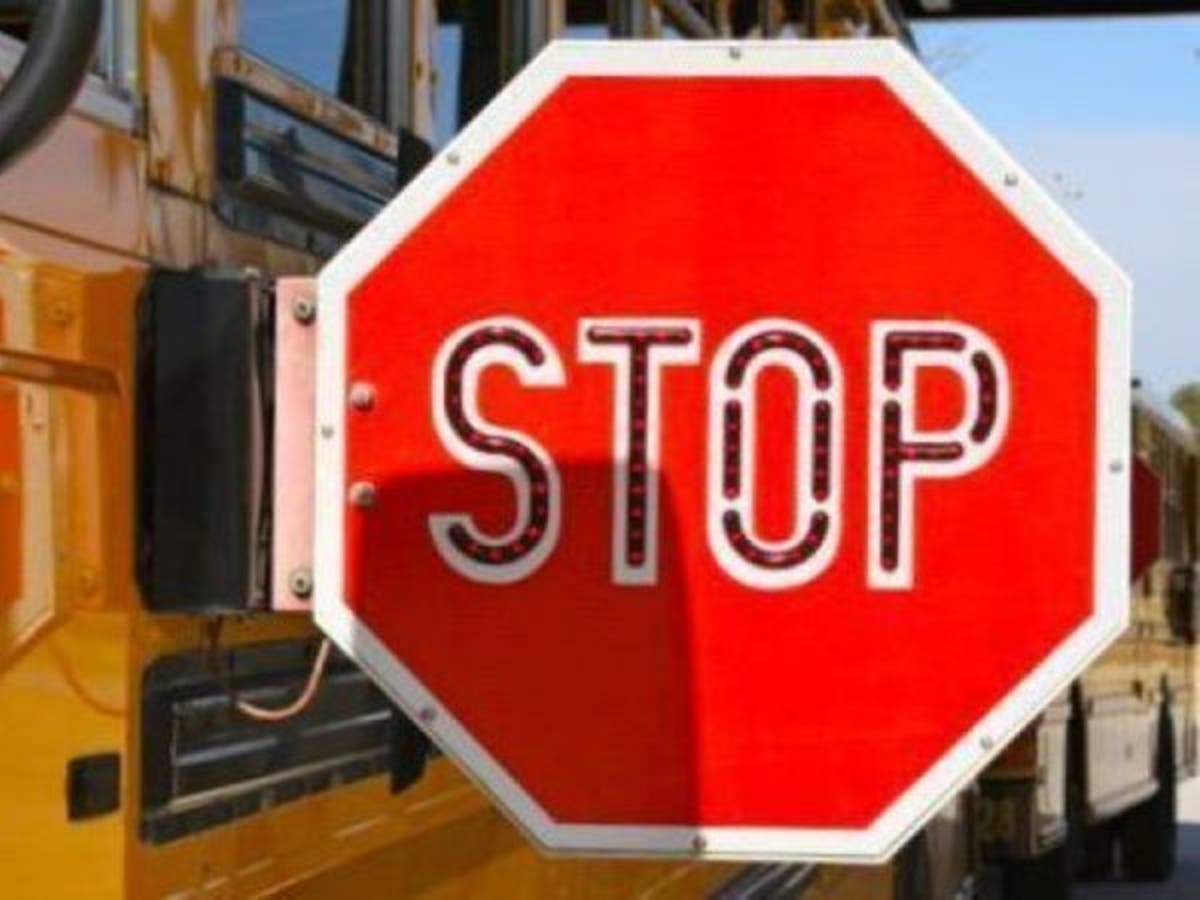
After the Labor Day holiday weekend, schools open Sept. 5 across Maryland for the new school year. That means drivers need to remember to follow a few rules of the road and keep a watchful eye out for kids in crosswalks and getting off buses. Forgetting those rules — and being caught doing so — could carry stiff penalties for drives or, even worse, cause a serious accident.
When it comes to buses, school zones and safety, some of the biggest concerns happen when cars and buses aren't even moving. Kids run the greatest risk of being hurt when they're walking up to or getting off a bus, according to Maryland's Motor Vehicle Administration. While an average of seven students are killed in school bus crashes each year, 19 are killed getting on and off the bus. Most of those killed are children between age 5 and 7 when they are hit in what the state agency ominously terms the "Danger Zone" around the bus, either by a passing vehicle or by the school bus itself. It's illegal for a vehicle to pass a bus with its red lights flashing.
Children are most likely to be hit because they:
Find out what's happening in Annapolisfor free with the latest updates from Patch.
- Hurry to get on or off the bus
- Act before they think and have little experience with traffic
- Assume drivers will see them and will wait for them to cross
- Don't always stay within the bus driver's sight
- Drop something as they get off the bus and run into the path of the bus to pick it up
Here's what you need to know — and what you should do — when you see a bus stopped with its flashing lights and extended stop-sign arm, or you are driving by a school as the 2017-18 year begins. (SIGN UP: Get Patch’s daily newsletter and real-time news alerts, or like us on Facebook. Or, if you have an iPhone, download the free Patch app.)
Maryland State Police troopers will join local law enforcement officers across the state in special school bus enforcement patrols during the start of this school year. Extra patrols will be deployed on school bus routes and troopers will target motorists driving unsafely around school buses or ignoring the red flashing lights when a bus is stopped. Those could breaking the law by police can cost a driver a $570 fine and a three-point penalty on their driver’s license.
Find out what's happening in Annapolisfor free with the latest updates from Patch.
RIDING A BUS TO SCHOOL
For Drivers
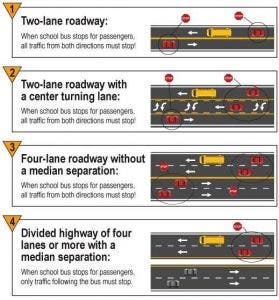
Maryland law requires drivers to stop for school buses when the buses engage flashing red lights. Yellow flashing lights indicate that the bus is preparing to load or unload children. Drivers should slow down and prepare to stop.
Red flashing lights and extended stop arms indicate the bus has stopped, and that children are getting on or off. Drivers approaching from either direction must stop until the red lights stop flashing. Drivers may not be able to see everyone who got off of the bus so proceed slowly until you are clear of the bus and pedestrians.
For Students
Getting on the School Bus
• When the bus arrives, stand at least three giant steps (6 feet) away from the curb.
• If you have to cross the street in front of the bus, walk on the sidewalk or along the side of the road until you are five giant steps (10 feet) ahead of the bus. Then you can cross the street.
• Be sure the bus driver can see you and you can see the bus driver.
• Never walk behind the bus.
• If you drop something near the bus, tell the bus driver. Never try to pick it up first because the driver may not be able to see you.
Like the Annapolis Patch Facebook page below, then continue reading the story.
Getting off the School Bus
• If you have to cross the street in front of the bus, walk at least ten feet ahead of the bus along the side of the road until you can turn around see the driver.
• Make sure the bus driver can see you.
• Wait for a signal from the driver before beginning to cross.
• When the driver signals, walk across the road keeping an eye out for sudden traffic changes.
• Do not cross the center line of the road until the driver has signaled that it is safe for you to begin walking.
• Stay away from the wheels of the bus at all times.
RIDING A BICYCLE TO SCHOOL
For Parents
If your child is riding a bike to school, your child must always wear a bicycle helmet. Teach your child to ride on the right, in the same direction as auto traffic, use appropriate hand signals, respect traffic lights, and stop signs. Make sure to educate your child about the rules of the road and make them wear bright colors to increase visibility.
For Drivers
• When passing a bicyclist proceeding in the same direction, do so slowly and leave at least a distance between you and the bicycle of no less than 3 feet. Maintain this clearance until you have safely passed the bicycle.
• When your vehicle is turning left and there is a bicyclist entering the intersection from the opposite direction, you should wait for the bicyclist to pass before making the turn.
• If your vehicle is turning right and a bicyclist is approaching on the right, let the bicyclist go through the intersection first before making a right turn. Remember to always use your turn signals.
• Watch for bicycle riders turning in front of you without looking or signaling, especially if the rider is a child.
• Take extra precautions in school zones and neighborhood areas where children and teenagers might be riding.
• Watch out for bikes coming out of driveways or from behind parked cars or other obstructions.
• Check side mirrors for bicyclists before opening the door.
WALKING TO SCHOOL
Finally, make sure your child’s walk to school is a safe route with well-trained adult crossing guards at every intersection. Parents should be realistic about your child’s pedestrian skills. Because small children are impulsive and less cautious around traffic, carefully consider whether or not your child is ready to walk to school without adult supervision.
Children should wear bright-colored clothing to make them more visible to drivers. n neighborhoods with higher levels of traffic, consider starting a “walking school bus,” in which an adult accompanies a group of neighborhood children walking to school.
The law also requires drivers to yield (stop) for pedestrians who are in a crosswalk. Failure to obey these laws may result in a citation but may also lead to an injury which could have been prevented.
Photo via Shutterstock
Get more local news delivered straight to your inbox. Sign up for free Patch newsletters and alerts.