Weather
Flood Threat Increases, Tips to Prepare: Maryland Weather
Maryland emergency officials advise residents to prepare for flooding as heavy rains move across the state the rest of the week.


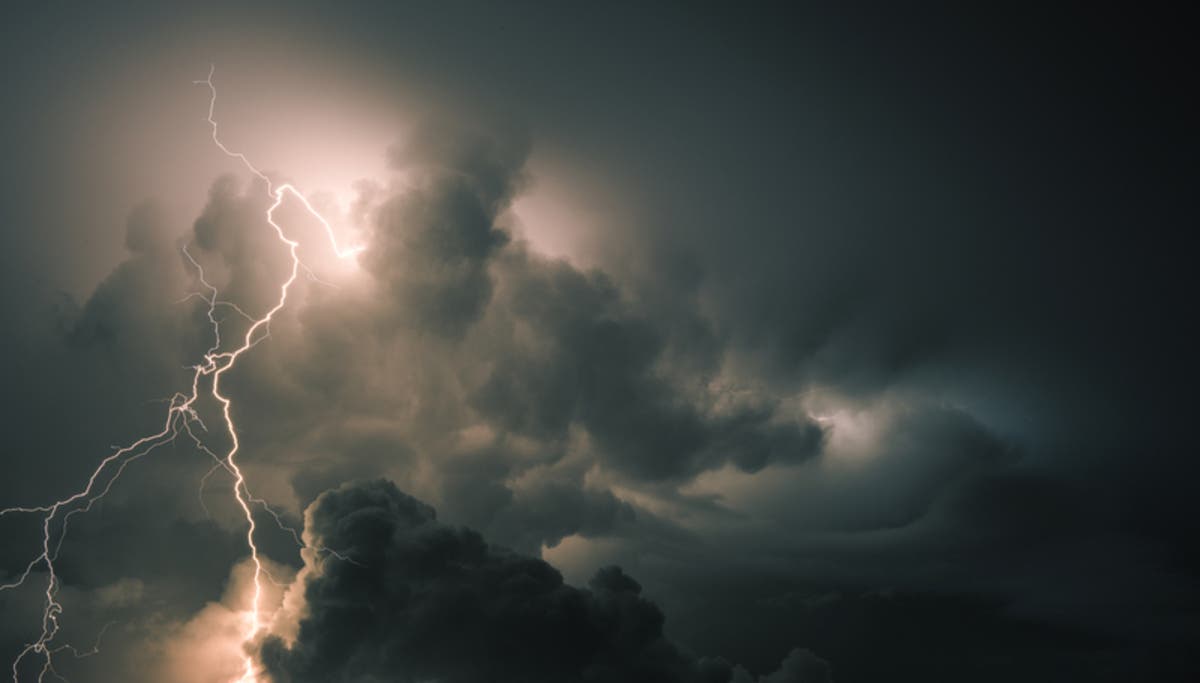
ANNAPOLIS, MD — Heavy thunderstorms may pound Maryland though Saturday morning, so state officials are urging residents to make sure they are prepared for flooding or power outages. The state is subject to flash floods after short periods of heavy rain that usually affect small streams and creeks, say emergency management officials, while general flooding comes from more prolonged steady rain and tends to affect larger streams and rivers.
The National Weather Service has issued a flood watch for most of Maryland until 8 a.m. Saturday, with a flash flood warning for Frederick. Localized areas of flooding of small streams and urban areas are possible Thursday through Saturday. A flood watch is in effect for the Baltimore/Washington/Annapolis metro area from 2 p.m. Thursday through Saturday morning.
Maryland officials urged residents to prepare for more rounds of storms and flooding.
Find out what's happening in Annapolisfor free with the latest updates from Patch.
MEMA On How To Prepare
- Get your emergency kit in order. Plan for at least three days of supplies. Recommended items to include are bottled water, non-perishable food, battery-operated radio, flashlight, extra batteries, toiletries, first aid kit, pet food, prescription medications and copies of important documents (i.e., insurance policies, bank accounts, identification).
- Have a communication plan. Your family may not be together when flooding strikes, so plan on how you will contact one another. Locally, stay in touch with friends, relatives and neighbors. Designate someone out of town, not in the impacted area, to be a backup point of contact.
- See if you are in a flood-prone area. Take any necessary steps if so to get flood-ready.
(For more news like this, find your local Patch here. If you have an iPhone, click here to get the free Patch iPhone app; download the free Patch Android app here.)
Find out what's happening in Annapolisfor free with the latest updates from Patch.
Important Maryland Utility Numbers Include:
- PEPCO: 1-877-737-2662
- Baltimore Gas and Electric (BG&E): 1-877-778-2222 or 1-800-685-0123
- First Energy/Potomac Edison: 1-888-544-4877
- SMECO: 1-877-747-6326 or 1-888-440-3311
- Washington Gas: 1-800-752-7520
- Washington Suburban Sanitary Commission: 1-800-828-4002
Maryland Patch Photo Contest: Submit Your Best Pics
Tips For Drivers
The Maryland Department of Transportation's State Highway Administration reminds drivers to check www.md511.org for travel alerts and conditions, follow the agency on Twitter, or "like" its Facebook page.
If your route includes toll bridges, check out wind warnings and restrictions criteria on the authority's website. To check if wind restrictions are in place at the Chesapeake Bay Bridge check online or call 1-877 BAYSPAN.
How To Prepare Home, Family For Storm
- Get your emergency kit in order. Plan for at least three days of supplies. Recommended items to include are bottled water, non-perishable food, battery-operated radio, flashlight, extra batteries, toiletries, first aid kit, pet food, prescription medications and copies of important documents (i.e., insurance policies, bank accounts, identification).
- See if you are in a flood-prone area. Take any necessary steps if so to get flood-ready.
- Turn the refrigerator and freezer to the coldest setting in anticipation of a power outage. Open the door only when necessary and close quickly. Frozen food in a half-full freezer should remain safe for up to 24 hours, and in a full freezer, up to 48 hours.
- During a power outage use flashlights and battery-powered lanterns for light. Avoid using candles which pose a fire risk.
- Ensure a supply of water for sanitary purposes such as personal cleaning and flushing toilets. Fill a bathtub or other large container with the water. This is particularly important for those whose water runs off of an electrical system.
- If your residence could flood, store valuable and personal papers in a waterproof container.
- Stay indoors and limit travel only to absolutely necessary trips. Allow emergency crews to clear roads and provide emergency assistance.
- Use care around downed power lines. Assume a downed wire is a live wire.
- Watch out for overhead hazards such as broken tree limbs, wires and other debris.
- Make sure backup generators are well ventilated. Never use grills, generators or camping stoves indoors.
After A Flood
- Do not eat or drink anything that has come into contact with flood water.
- Follow emergency officials' instructions on safe water consumption. You may have to boil your water.
- Clean and have electrical equipment checked before using.
- Report broken utilities to the proper authorities.
- NEVER play around high water, storm drains, downed utility lines, etc.
- Use flashlights, not an open flame like a candle. Candles are a fire hazard and could cause an explosion if it comes into contact with flammable gases.
- Watch out for snakes and other "stray" animals. Water will cause snakes to come out of the ground with nowhere to go. Many other animals may be abandoned and lost. Never kill snakes or other animals as they will eventually lead to a rodent problem.
- Remember, floodwaters sometimes take days to rise, even when the sun is shining. It can take days for floodwaters to make their way downstream. Don't underestimate the power and speed in which flood waters can rise and destroy everything in its path.
People can stay informed by monitoring the forecasts from the National Weather Service for the Baltimore-Washington area.
Residents can find additional preparedness information on MEMA’s website at mema.maryland.gov. The agency will also be posting updated information throughout the week on social media. You can follow MEMA on Twitter @MDMEMA or on Facebook at www.facebook.com/MDMEMA.
Image via Shutterstock
Get more local news delivered straight to your inbox. Sign up for free Patch newsletters and alerts.