Health & Fitness
Heroin Crisis: Overdose Deaths Take Record Toll in Maryland
Heroin use, synthetic additives are the largest culprit in overdose deaths across Maryland, which has already set a record for lives lost.


BALTIMORE, MD — Despite warnings that one dose of an illicit opioid can be not only instantly addictive but sometimes fatal — either in the short term or the long run — heroin usage has increased in Maryland in recent years. And new varieties of the drug mixed with pharmaceuticals to make it even more powerful has made it even more deadly, ensuring the year ends with a record number of overdose deaths.
“If there was a word bigger than epidemic that would be it. It is an epidemic,” Lt. Ryan Frashure, public information officer for the Anne Arundel County Police Department, told Patch earlier this year.
Police and emergency responders across Maryland have seen fentanyl mixed with heroin accelerate the number of overdoses. The pain-killing drug given by hospitals to surgery patients is much stronger, and users are taking the same dosage, which their bodies can’t handle.
Find out what's happening in Annapolisfor free with the latest updates from Patch.
According to new numbers released by the state, through the end of September 2016 Maryland had set a tragic record in the number of overdose deaths. The Department of Health and Mental Hygiene says that from January to September, Maryland saw 1,468 deaths related to overdose, surpassing the 1,259 overdose deaths that occurred in all of 2015 statewide.
And the Maryland Department of Health and Mental Hygiene has yet to tally overdose deaths from October through December 2016, which will increase the record tally. In 2015, the state saw a 21 percent increase in the number of deaths from drug and alcohol intoxication. The number of intoxication deaths had nearly doubled since 2010.
Find out what's happening in Annapolisfor free with the latest updates from Patch.
SEE ALSO:
- Heroin Epidemic Escalates Across Maryland
- Heroin Crisis: Desperate Maryland Families Wonder If Anyone Cares
“This epidemic continues to cut across all demographics and communities,” said Health Secretary Dennis R. Schrader. “All Marylanders need to know they can find treatment options for substance use disorders at MdDestinationRecovery.org. To not seek help for a drug problem now is to risk death. Please seek help now.”
Fentanyl and heroin continue to drive the overdose numbers, state officials say, whether Marylanders are taking only those opioids or are mixing them with other substances. Some users think they are buying heroin, long known for its fatal-overdose risk, and are actually buying even deadlier fentanyl, which is several times more potent than heroin.
In December 2015, a standing order was issued by the state which allows all Maryland-licensed pharmacists to dispense naloxone without a prescription to anyone trained and certified under the Department’s Overdose Response Program. The life-saving drug can reverse opioid-related overdoses. As of December, more than 39,000 people have been trained by these organizations since the program began in March 2014.
The Maryland Good Samaritan Law, which protects users from arrest for possession of controlled dangerous substances and calling 911, has encouraged people with a heroin user to call 911 if a user has overdosed. The state’s Overdose Response Program law and other longtime existing laws protect people who prescribe, dispense, carry and use naloxone or Narcan, which can reverse the affects of an overdose.
Other findings in the state report:
- Eighty-six percent of all overdose deaths in 2015 involved opioids – which include heroin, fentanyl and prescription drugs such as oxycodone and methadone. Large increases in the number of deaths tied to heroin and fentanyl were responsible for the overall increase in opioid-related deaths.
- Between 2014 and 2015, the number of heroin-related deaths increased by 29 percent (from 578 to 748), the number of fentanyl-related deaths nearly doubled (from 186 to 340), and the number of prescription-opioid related deaths increased by 6 percent (from 330 to 351).
- The number of fentanyl-related overdose deaths began increasing in late 2013 as a result of illegal labs making and mixing fentanyl with heroin or other substances. The number of deaths caused by fentanyl has increased 12-fold since 2012.
Where to Get Help in Maryland
Maryland residents who need help finding substance abuse treatment resources should visit the Department of Health website for links to substance abuse treatment facilities. Or call the Maryland Crisis Hotline, which provides 24/7 support, at 1-800-422-0009.
If you know of someone who could use treatment for substance abuse, treatment facilities can be located by location and program characteristics online.
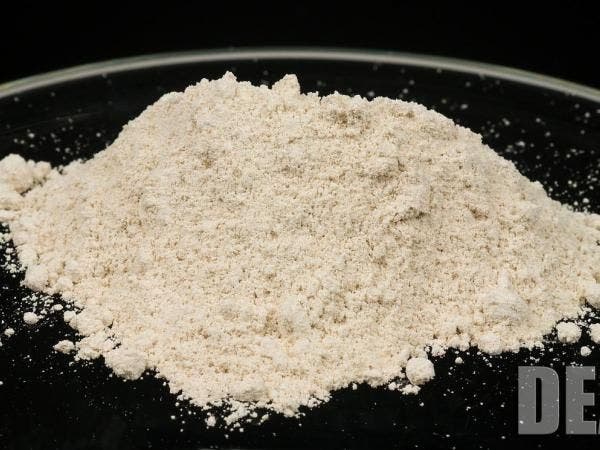
»Image of heroin courtesy of the Drug Enforcement Agency
Get more local news delivered straight to your inbox. Sign up for free Patch newsletters and alerts.