Politics & Government
MD Legislators Override Hogan's Veto In Order To Protect Oysters
Maryland's adult oyster population dropped by an estimated 50 percent from 1999 to 2018, but the legislation would help give it a boost.


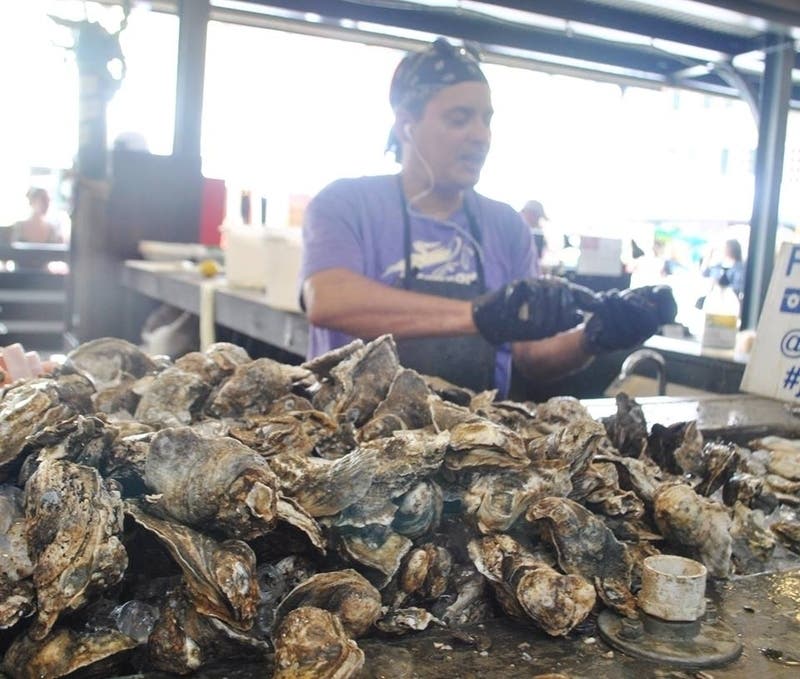
ANNAPOLIS, MD — Legislators in both the House of Delegates and Senate Thursday overrode Gov. Larry Hogan's 2019 veto of a bill that would create a consensus-based process to recommend a new fishery management plan for oysters. The legislators' actions aim to increase the oyster population in Maryland long term.
The legislation will bring together environmental advocates, scientists, watermen and seafood sellers to work with an independent mediator to recommend policies aimed at increasing the overall oyster population in Maryland's portion of the Chesapeake Bay. The legislation also calls for the state's department of natural resources (DNR) to work with the University of Maryland Center for Environmental Science to use a scientific model to forecast how oyster populations would change based on different management strategies.
"This important new law aims to stop the long-term decline of oysters in Maryland. More oysters mean cleaner water, more fish and crabs, and a healthier Chesapeake Bay ecosystem. It's time to work together toward the common goal of increasing Maryland's oyster population to improve the state's environment and the fishery's long-term outlook," said Maryland Executive Director Alison Prost in a statement.
Find out what's happening in Annapolisfor free with the latest updates from Patch.
An adult oyster can filter up to 50 gallons of water per day and the bivalves naturally sequester nitrogen and phosphorus in their tissue and shells. Oysters reefs also provide habitat to crabs, fish and other marine life—making them critically important to the Chesapeake Bay ecosystem, the Chesapeake Bay Foundation noted.
The state's adult oyster population dropped by an estimated 50 percent from 1999 to 2018, according to the stock assessment released in December 2018. The decline during the past two decades continues a long history of oyster population loss due to overfishing, disease and pollution. To correct this decline, the legislation requires the new oyster management plan to increase oyster abundance and end overfishing in areas where the stock assessment determines it is occurring. The new plan must also facilitate the long-term sustainable harvest of oysters from the public fishery.
Find out what's happening in Annapolisfor free with the latest updates from Patch.
Get more local news delivered straight to your inbox. Sign up for free Patch newsletters and alerts.