Community Corner
OC BikeFest Taking Place This Weekend; Drivers Advised to Share Road
AAA Offers Motorists and Bikers Safety Tips As Motorcycle Season Continues Into The Fall
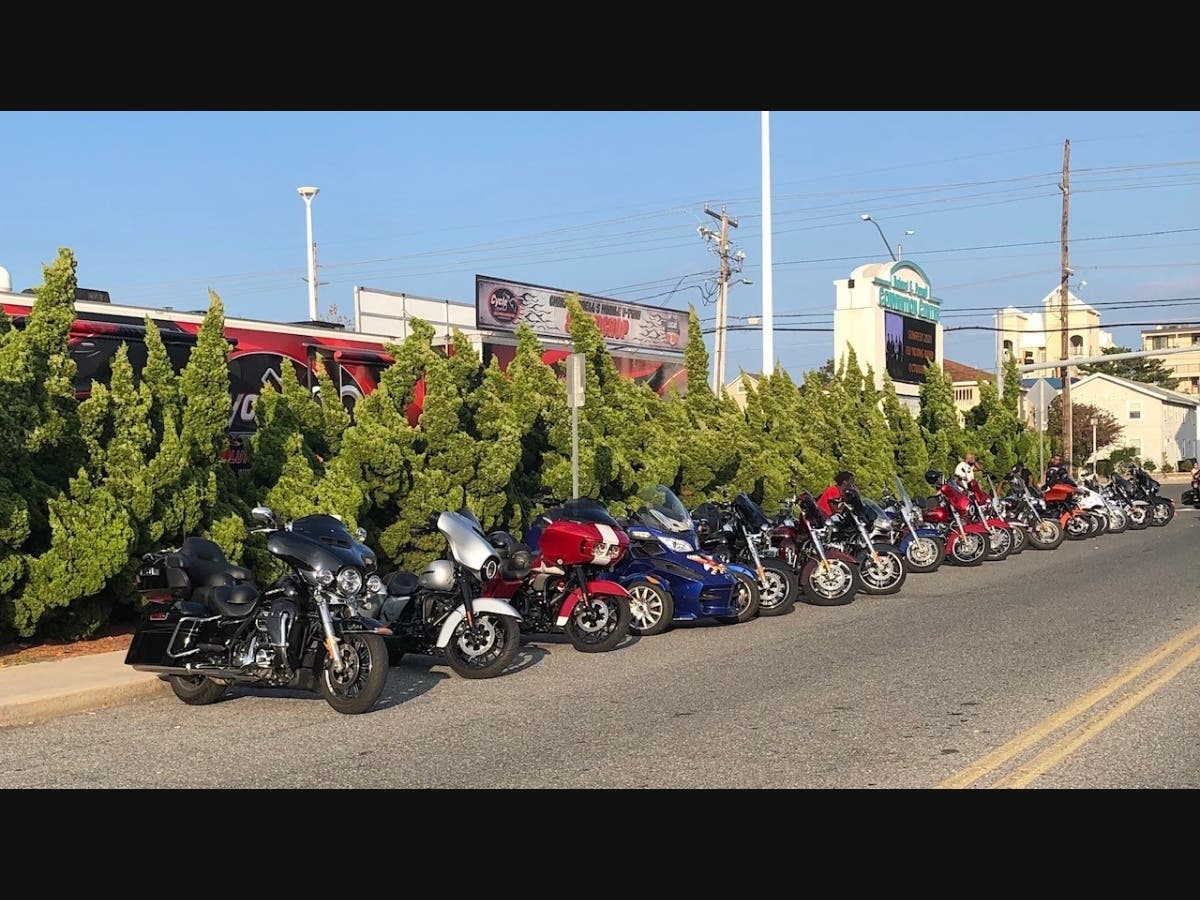
OCEAN CITY, MD (Thursday, September 12, 2024) – With beautiful weather expected across the region, and as OC BikeFest wraps up in Ocean City this weekend, AAA is reminding drivers and bikers of a few safety tips.
While OC BikeFest, billed as “the largest motorcycle rally on the East Coast,” is usually an enjoyable time for motorcycle enthusiasts, it is not without its dangers. In 2021, there were two motorcycle-related fatalities during the event, and there was at least one fatal motorcycle crash in September 2022 in Ocean City.
Motorcycle riders continue to be overrepresented in fatal traffic crashes, according to the National Highway Traffic Safety Administration (NHTSA). In 2022, there were 6,218 motorcyclists killed, comprising 15% of all traffic fatalities. NHTSA data show that this is the highest number of motorcyclists killed since at least 1975.
Find out what's happening in Annapolisfor free with the latest updates from Patch.
“As the weather cools and autumn approaches, the motorcycle season is still underway as many bikers in our area try to get their last doses of ‘wind therapy’ in before the weather becomes too cool to ride,” says Ragina Cooper Ali, spokesperson for AAA in Maryland and Washington, D.C., who is also a member of the Latin American Motorcycle Association’s (LAMA) Baltimore Chapter. “Motorists are reminded to safely ‘Share the Road’ with motorcycles and to be extra alert when driving to help keep motorcyclists safe.”
Each year in Maryland, an average of 73 motorcycle riders and passengers are killed in traffic crashes and nearly 1,046 riders and passengers are injured each year, according to the Maryland Highway Safety Office. In 2023, there were 1,350 motorcycle-involved crashes, resulting in 82 deaths and 1,095 injured persons.
Find out what's happening in Annapolisfor free with the latest updates from Patch.
In Virginia, there were 2,127 motorcycle-involved crashes, accounting for nearly 14% of traffic fatalities. According to the Virginia Department of Motor Vehicles. These crashes resulted in 125 deaths, with 118 of the fatalities being motorcyclists in 2023.
As of January 2023, the number of on-road motorcycles registered in the U.S. has risen to approximately motorcycles, compared to 4.3 million in 2002.
“Motorcyclists are also reminded of their responsibility to keep themselves as safe as possible by following the rules of the road, being alert to other drivers, and never driving while impaired or distracted,” Ali says. It’s important to understand that both motorcyclists and their passengers should always wear a helmet. Motorcycle helmet laws vary by state. In Maryland, Washington, D.C., and Virginia, helmets are required by all riders.
Motorcyclists and Motorists – AAA Tips for Sharing the Road
- Share the road. A motorcycle has the same privileges as any other vehicle on the road. Be courteous and give the motorcyclist a full lane of travel.
- Look out. Check mirrors and blind spots for motorcyclists before entering or leaving lanes of traffic and at intersections. Most multi-vehicle motorcycle crashes occur when drivers simply didn’t see the motorcyclist. (AAA’s Automotive Engineering team evaluated advanced driver assistance technologies like blind-spot monitoring and found that motorcycles were detected by blind-spot monitoring systems 26 percent later than passenger vehicles.
- Clearly signal your intentions. Signal before changing lanes or merging with traffic. Even when signaling, allow enough time to determine a motorcyclist's intention before you proceed.
- Anticipate a motorcyclist’s maneuvers. Obstructions (debris, potholes, etc.) that you may ignore or not notice can be deadly for a motorcyclist. Anticipate their possible evasive actions.
- Allow plenty of space. Do not follow a motorcycle too closely. Allow enough room for the motorcyclist to take evasive actions. Increase following distance behind motorcycles, and provide time to maneuver or stop in an emergency.
- Avoid lane-sharing. Never try to share a lane with motorcycles – they have the same right to lanes as any other vehicle.
Safety Tips for Motorcyclists
- Make yourself visible. Choose protective gear that provides visibility and protection. This includes wearing bright colors. If riding at night, wear clothing with reflective materials.
- Be road-ready. Before you ride, check tire pressure and tread depth. Make sure brakes, headlights and signal indicators are in working order.
- Secure cargo. Make sure any cargo is secure/balanced, adjust suspension and tire pressure to accommodate extra weight.
- Allow space. Position your bike in the lane so that you can be seen. Allow additional space for emergency braking and room to maneuver. Avoid riding in a motorist’s blind spot. Make lane changes gradually and use appropriate signaling.
- Never share a lane beside a car. A driver may be unaware of your presence. Most drivers are looking for larger vehicles, not motorcycles.
- Clearly signal your intentions. Use turn signals before changing lanes and never weave between lanes.
- Wear protective gear.
- Helmet - Always wear a U.S. DOT-approved helmet.
- Eye protection - Visibility is key to riding safely. Many motorcycles do not have windshields. Riders should protect their eyes with goggles that can shield the face from wind and debris, both of which can cause tearing and, blurred vision.
- Body Protection - Jackets with long sleeves and well-fitting abrasion resistant pants.
- Gloves - Durable gloves should be a non-slip type to permit a firm grip on controls.
- Footwear - Proper over-the-ankles footwear should be worn to help prevent injuries.
- Never ride impaired – More than 25% of fatal motorcycle crashes in 2020 involved alcohol, according to NHTSA.
- Complete a motorcycle rider education and training course. The overwhelming majority of motorcyclists have had no formal training. Get professional training on how to be a defensive driving motorcyclist.