Community Corner
Snow-Shoveling and Snow Blower Safety Tips
With a heavy, wet snow expected Thursday, the Anne Arundel County Fire Department has some tips on how to safely tackle snow removal.


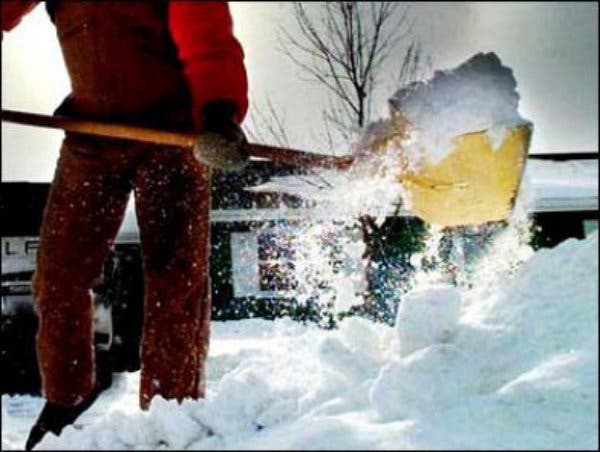
As the rain switches to sleet and then wet snow across the region, the Anne Arundel County Fire Department is sharing snow-shoveling and snow blower usage safety tips.
Wet snow can weigh up to four times more than the lighter snow the area has seen this winter.
Find out what's happening in Annapolisfor free with the latest updates from Patch.
By subscribing, you agree to Patch's Privacy Policy and Terms of Use.
The tips come from the American Heart Association.
- Give yourself a break. Take frequent rest breaks during shoveling so you don’t overstress your heart. Pay attention to how your body feels during those breaks.
- Don’t eat a heavy meal before or soon after shoveling. Eating a large meal can put an extra load on your heart.
- Use a small shovel or consider a snow thrower. The act of lifting heavy snow can raise blood pressure acutely during the lift. It is safer to lift smaller amounts more times, than to lug a few huge shovelfuls of snow. When possible, simply push the snow.
- Learn the heart attack warning signs and listen to your body, but remember this: Even if you’re not sure it’s a heart attack, have it checked out (tell a doctor about your symptoms). Minutes matter! Fast action can save lives — maybe your own. Don’t wait more than five minutes to call 9-1-1
- Don’t drink alcoholic beverages before or immediately after shoveling. Alcohol may increase a person’s sensation of warmth and may cause them to underestimate the extra strain their body is under in the cold.
- Consult a doctor. If you have a medical condition, don’t exercise on a regular basis or are middle aged or older, meet with your doctor prior to the first anticipated snowfall.
- Be aware of the dangers of hypothermia. Heart failure causes most deaths in hypothermia. To prevent hypothermia, dress in layers of warm clothing, which traps air between layers forming a protective insulation. Wear a hat because much of your body’s heat can be lost through your head.
Snow Blower Safety
Find out what's happening in Annapolisfor free with the latest updates from Patch.
By subscribing, you agree to Patch's Privacy Policy and Terms of Use.
Heavy, wet snow can jam even any snow blower, but don’t use your hands to clear a jam. Snow blowers also pose safety risks from carbon monoxide poisoning and flying debris.
Here’s how to keep out of harm’s way.
- Before the snow gets too deep, remove doormats, sleds, boards, wires, newspapers, and anything else from the area you’ll clear to avoid clogs and damage to the machine.
- Don’t let children operate a snow blower. And keep people and pets far away from the area you’re clearing.
- Turn off the engine on a gas snow blower or unplug the motor on an electric model before clearing a clog at the auger or discharge chute. And use a clearing tool or a broom handle to clear the clog—never your hands or feet. Remember that a stationary auger and impeller are often under enough belt tension to harm hands and feet, even with the engine or electric motor off.
- Protect yourself from carbon-monoxide poisoning by starting and running gas-powered snow blowers outside, never in a garage, shed, or other enclosed area--even if the door is open.
- Never wear loose pants, jackets, or scarves, which can get tangled in a snow blower’s moving parts and pull you in with them.
- Wear earplugs or other hearing protection, especially with gas-powered models, which are typically above the 85 decibels at which hearing damage can occur.
- Wait until a gas model’s engine is cool before refueling to avoid igniting the gasoline.
- For electric models, use an outdoor extension cord and an outlet with ground-fault-circuit-interrupting protection (GFCI). Then be sure to keep the cord safely away from the spinning auger while working.
Get more local news delivered straight to your inbox. Sign up for free Patch newsletters and alerts.