Crime & Safety
Anne Arundel County Sees Drop In Opioid-Related Deaths, Overdoses
The Anne Arundel County PD reports a significant drop in opioid-related deaths and overdoses that stems from proactive measures being taken.


ANNE ARUNDEL COUNTY, MD — Opioid overdoses across the country are concerning to law enforcement and medical professionals. The Anne Arundel County Police Department has taken significant steps to help reduce overdose incidents and related deaths, and those measures seem to be working, officials said.
According to the county police department's opioid overdose incident log, the number of non-fatal overdoses so far in 2019 stands at 475, compared to 595 total cases in 2018. Fatal overdoses countywide for 2019 so far total 89, which is down from 2018 when 120 fatal overdoses from opioids were reported in the same time period.
According to the chief medical examiner's office, heroin was responsible for two of those total overdose deaths, while fentanyl attributed to 58 of the overdose deaths in 2019. A heroin/fentanyl mix can be blamed for the overdose deaths in nine people. The remaining deaths are still being investigated by the chief medical examiner's office.
Find out what's happening in Anne Arundelfor free with the latest updates from Patch.
Anne Arundel County Police Sgt. Jacklyn Davis, spokesperson for the department, said that several efforts can be attributed to the drop in numbers. In April 2017, the county police department launched its safe stations program that involves both fire stations and police districts.
"If someone needs help and is ready for rehab, they just go to one of our fire stations or police districts 24 hours a day, seven days a week, and our mobile crisis team will get them into rehab immediately," Davis told Patch. "We're grabbing people during that window when they're finally ready to accept help and we're getting them that help. That's huge for us."
Find out what's happening in Anne Arundelfor free with the latest updates from Patch.
Statewide first quarter figures released in June 2019 by the Maryland Department of Health and the Opioid Operational Command Center also showed a decline in overdose deaths. During the first three months of 2019, there were 577 total unintentional intoxication deaths, a 15 percent decrease when compared to the same period in 2018. Of that total, 515 (89 percent) were opioid-related deaths, primarily attributable to fentanyl. Opioid-related deaths declined by 14.3 percent from the same time period in 2018.
The county police department also has brought back the D.A.R.E. program, so they're tapping into a younger generation in the hopes of preventing drug use before it ever begins.
"D.A.R.E. was around when I was growing up and it faded away for a bit, but we're able to educate the younger kids, which is incredibly important," Davis told Patch.
Another contributing factor to the decline in opioid overdoses across Anne Arundel County is that two years ago, the police department started a fatal overdose unit. They are tasked with following up on fatal overdoses and tracking down the dealers who are distributing the "heavy stuff that's killing people."
"We've had pretty good success with that. The goal is that if someone dies from drugs someone is dealing, the dealer will be charged with that death," Davis told Patch.
Anne Arundel County Police officers have saved 86 lives so far this year by being trained to administer Narcan to people in the throes of an overdose.
"Those numbers don't include the fire department, that's just us," Davis said.
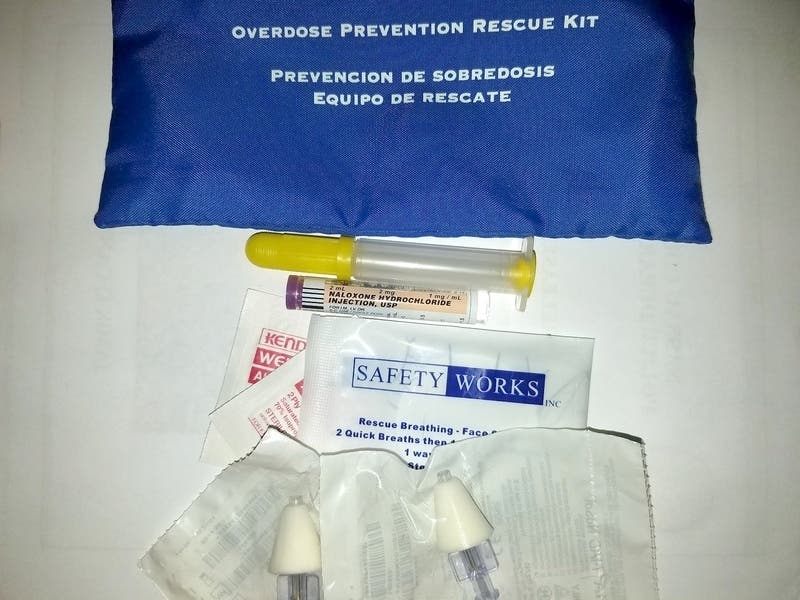
The county health department also has distributed Narcan overdose kits to help people with loved ones who have an opioid addiction. They are trained to administer Narcan if there is an overdose incident.
"We are cautiously optimistic about the decline in numbers and hopefully reaching enough people that they aren't starting to abuse opioids and getting enough people in rehab that they're turning their lives around," Davis said.
Where to Get Help in Maryland
Maryland residents who need help finding substance abuse treatment resources should visit the Department of Health website for links to substance abuse treatment facilities. Or call the Maryland Crisis Hotline, which provides 24/7 support, at 1-800-422-0009. Marylanders grappling with a substance use disorder can find help at BeforeItsTooLateMD.org.
If you know of someone who could use treatment for substance abuse, search by location and program characteristics online.
Signs of Overdose:
- Person is not responsive.
- Fingertips or lips turn blue or gray.
- Breathing is slow, shallow or has stopped.
- Person is gurgling or making snoring noises.
What can you do if you see an opioid overdose?
- Call 911.
- If you have naloxone, give the person naloxone and perform rescue breathing.
- If no response after two to three minutes, give a second dose of naloxone.
- Do not leave the person alone. Help will arrive.
- If the person starts to breathe or becomes more alert, lay the person in the recovery position; put the person slightly on the left side so that their body is supported by a bent knee with their face turned to the side and bottom arm reaching out to stabilize the position.
Remember the Good Samaritan Law – save a life!
- If you provide help or assist a person experiencing a medical emergency due to alcohol or drugs, you are criminally IMMUNE from being charged, arrested and prosecuted from certain crimes. (Ann. Code Md. CR §1-210)
- The police and the courts believe that saving a life is more important than a charge or an arrest.
How can I lower my risk of overdose?
- Carry naloxone with you at all times and inform others where it is.
- If you haven't used in a while, start slowly. You are at a high risk for overdose after leaving jail, prison or the hospital or after coming out of treatment.
- Avoid mixing substances.
- Be aware that drugs vary widely in purity and strength.
- Don't use alone. If you must use alone, let people know where you are, and never the lock the door.
- Check up on each other.
- Seek treatment.
Get more local news delivered straight to your inbox. Sign up for free Patch newsletters and alerts.