Schools
Students Learn About Local Black History, Segregation
Joyce Jennings spoke to Eagle Cove School students about her life growing up in Anne Arundel County.


Joyce Jennings, one of the first black students to integrate Pasadena Elementary School, spoke to students at Feb. 22 about her life growing up in Anne Arundel County as a young African-American girl.
Jennings addressed students at Eagle Cove, who have been studying black history. She asked the kids about the Emancipation Proclamation, the Thirteenth Amendment to the United States Constitution, Jim Crow Laws and other issues related to black history.
After she addressed the students, Jennings sat down with Patch for a personal interview about her memories as a child growing up in segregated Pasadena and her thoughts on the town today.
Find out what's happening in Anne Arundelfor free with the latest updates from Patch.
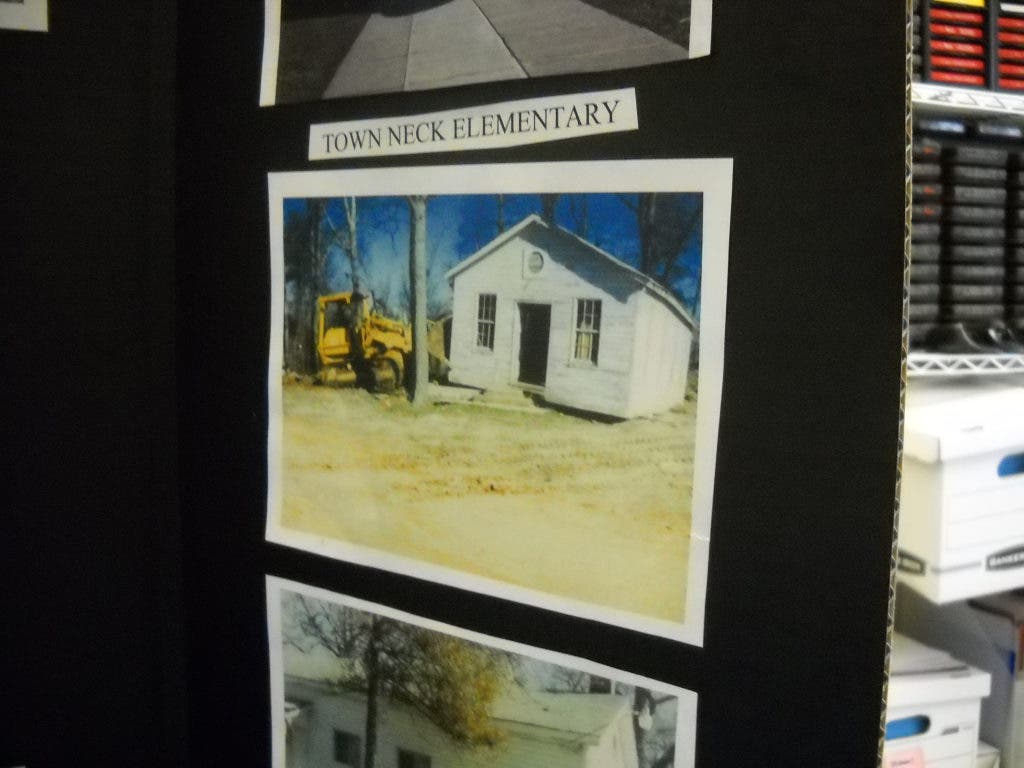
Up until 1958, Jennings attended the segregated Town Neck Elementary in Severna Park. That year, when she was 8 years old, she integrated Pasadena Elementary with three other black children.
“First of all it was a big, huge difference from the one-room schoolhouse at Town Neck that I had been taught in for three years,” said Jennings. “At Town Neck, we didn’t have water in our school, we didn’t have bathrooms. Our cafeterias were inside classrooms. Then Pasadena was a big brick building with cement floors and bathrooms. The difference was like night and day.”
Find out what's happening in Anne Arundelfor free with the latest updates from Patch.
Growing up, Jennings lived with her mother in Severna Park but was zoned for Pasadena Elementary school.
“Pasadena had a population of about 600 students and there were four African Americans who walked into the school—I was one of the four,” she said. “When I was there, I did see and feel a lot of hate from white parents. But my mother had prepared me for some of the vocabulary I would be called and I was alright. I was a strong person with strong self esteem.”
After her time at Pasadena, Jennings went to .
Jennings also spoke fondly of her memories at in Pasadena. Her grandparents Clarence and Mary Hall owned a house, which is still there today, on Beachwood Park in the 1950s.
“When I was small, my mother would take me to my grandparents on Beachwood Park each day; so I lived on Beachwood,” Jennings said. “We could not go to a white park, so Beachwood Park was a wonderful place to go. Everything else was closed down to us.”
When talking about the history of the park to the students, Jennings encouraged them to do more of their own research saying that you can never learn enough about other people.
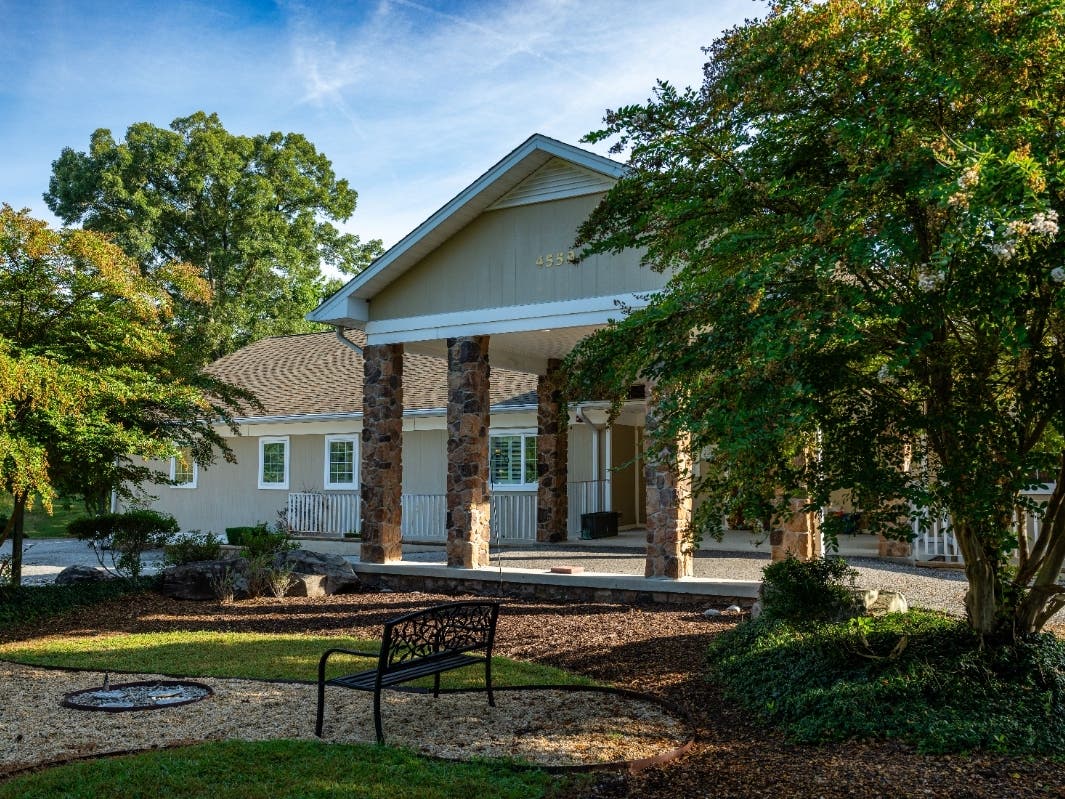
Eagle Cove School sits right on the Magothy River, across from Gibson Island. Jennings spoke of her own past with Gibson Island.
“African-Americans couldn’t come to Gibson Island unless you had a mop in one hand and a broom in the other,” she said. “I knew lots of people that worked there. My mother worked there before she opened her beauty salon.”
Today, Jennings lives in Millersville and is a retired Baltimore County principal with a doctoral degree. She says that despite some of the struggles, she reflects fondly on her experiences with education as a child.
"I’ve had a very good time. Many wonderful things have happened as a result of integration,” said Joyce. “Even though segregation came its way, I am very glad for the experience because it taught me how to talk to people, and how to treat people.”