Crime & Safety
Bel Air Police To Steer Some Criminals To Treatment Not Jail
Bel Air is one of four sites in Maryland participating in a program through law enforcement to help those with substance abuse disorders.


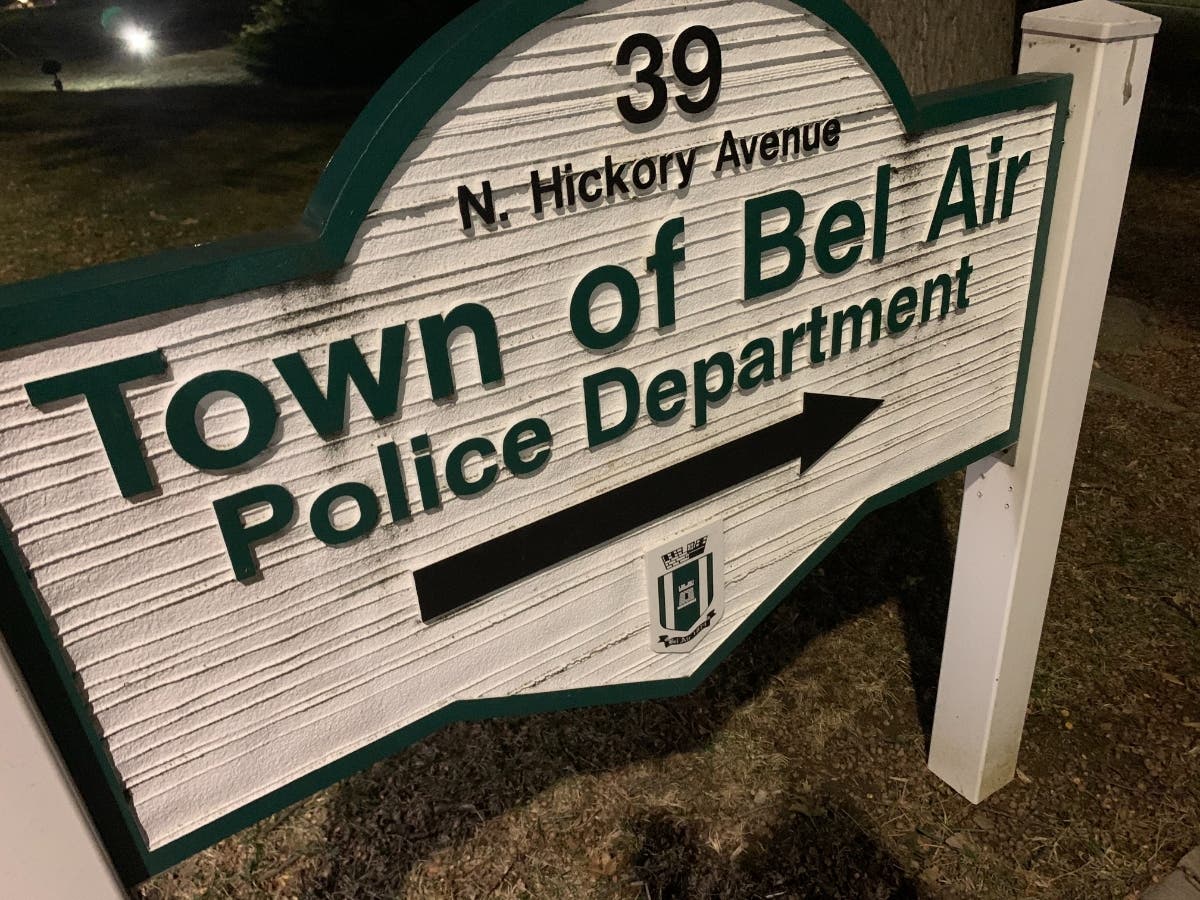
BEL AIR, MD — The Bel Air Police Department has joined a program to keep those who have committed crimes and suffer from substance use disorders from serving time in jail. Instead, they will receive treatment.
Through the program — called Law Enforcement Assisted Diversion (LEAD) — police refer people to public health resources rather than making an arrest.
Over time, officials say this reduces the cost to the criminal justice system and can reduce recidivism.
Find out what's happening in Bel Airfor free with the latest updates from Patch.
"A more comprehensive, trauma-informed approach to policing is vital," Bel Air Police Chief Charles Moore said in a statement.
To implement the LEAD program, Bel Air police officers will work with the Harford County State's Attorney's Office, Upper Chesapeake Health and Springboard Community Services and other partners.
Find out what's happening in Bel Airfor free with the latest updates from Patch.
"Partnering with behavioral health professionals creates a longer-term solution for individuals potentially suffering from addiction, untreated mental illness and poverty," Moore said.
Bel Air is now among four active LEAD program participants in Maryland. The others are in Baltimore City, Washington County and Westminster.
“The LEAD Program is a great example of how we can improve the system of delivery for individuals experiencing a mental health or substance use crisis, make interactions between these individuals and law enforcement safer, and improve outcomes for all involved," Lt. Governor Boyd Rutherford said in a recent statement announcing Bel Air and Westminster police departments were joining the initiative.
Annapolis plans to launch a LEAD program in 2021, and so do Howard, St. Mary’s, Wicomico and Worcester counties, according to a statement from the Governor's Office of Crime Prevention, Youth and Victim Services.
“Diverting someone from arrest and toward public health resources empowers our state to meet people in their time of need and allows us direct valuable resources toward reducing violent crime,” said Glenn Fueston, executive director of the Governor’s Office of Crime Prevention, Youth and Victim Services. “Our office is dedicated to supporting interagency partnership and collaboration between law enforcement, public health experts, and service providers that are crucial to building a safer and healthier Maryland.”
Get more local news delivered straight to your inbox. Sign up for free Patch newsletters and alerts.