Community Corner
Chesapeake Bay Underwater Grass Acreage Continues To Rebound From Low Levels In 2019-2020
The annual aerial survey has revealed that the Chesapeake Bay's underwater grass acreage continues to rebound from low levels in 2019-2020.


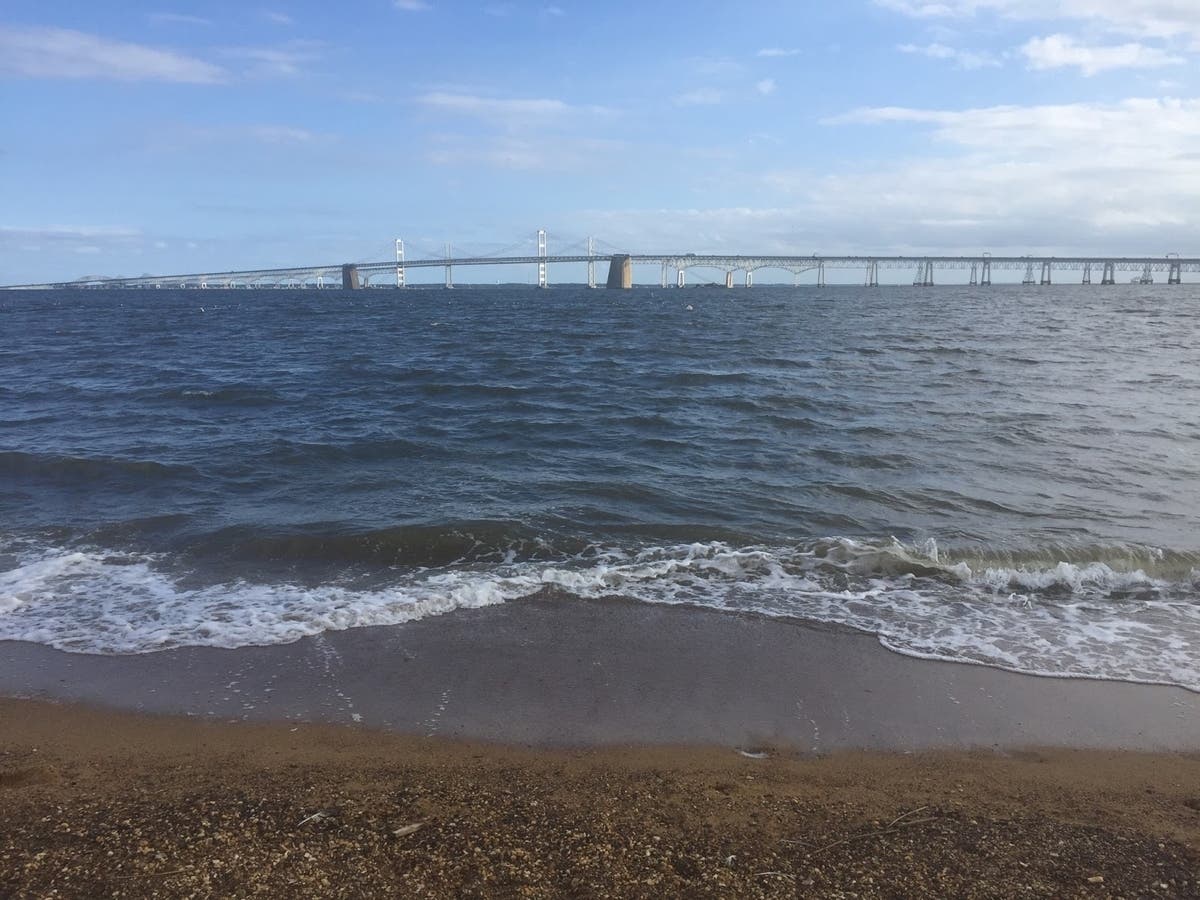
MARYLAND — The Chesapeake Bay continues to recover from a decline in valuable underwater grass acreage recorded in 2019-2020 after heavy rains blanketed the region in 2018, a new survey said.
This in turn prompted excess runoff, which led to more nutrient and sediment pollution in the Chesapeake Bay by clouding water and blocking sunlight from reaching underwater grass beds.
The annual aerial survey shows widgeon grass now happens to be the most common underwater grass in the Chesapeake Bay and the body of water overall saw a six percent increase in submerged aquatic vegetation in Maryland's portion of the bay in 2022.
Find out what's happening in Bel Airfor free with the latest updates from Patch.
Scientists mapped 37,297 acres of underwater grasses in Maryland during the annual survey. The results represent 47 percent of the state’s 2025 restoration target and 33 percent of the ultimate restoration goal of 114,065 acres.
The Maryland Department of Natural Resources works with federal, state and local partners to increase the acreage and diversity of underwater grasses in Maryland’s part of the Chesapeake Bay through direct restoration, which is carried out by planting plants or seeds of native SAV species in areas where they are not currently found.
Find out what's happening in Bel Airfor free with the latest updates from Patch.
Underwater grasses support the overall health of the Chesapeake Bay ecosystem by providing habitat and food for numerous species of fish, crabs and waterfowl. They improve water quality by absorbing excess nutrients, reducing sediment erosion and enhancing oxygen levels. Underwater grasses also reduce acidification associated with climate change, which benefits shellfish like crabs, oysters, clams and scallops.
“While we celebrate continued positive signs for recovery in the Chesapeake Bay, we must remain vigilant to build resiliency for this vital marine resource,” said Maryland Department of Natural Resources Secretary Josh Kurtz. “To do so, we are evaluating ways to restore habitats to promote underwater grass growth. The Moore-Miller Administration is focused on ensuring these types of clean water benefits are distributed across Maryland’s watershed to provide recreational and economic opportunities for all who rely on the bay.”
In 2022, underwater grasses in all or part of five Maryland rivers surpassed their restoration goals. These included the Northeast River at 111 percent; the Bush River at 112 percent; the upper Gunpowder River at 149 percent; the Wicomico River at 124 percent; and the tidal fresh portion of the Chester River at 507 percent (the percentage of the goal attained is so high due to a very small segment restoration goal).
An additional two areas in Maryland reached 75 percent or more of their restoration goals, including the northern Chesapeake Bay and Mattawoman Creek.
Among the notable areas showing positive growth in underwater grasses were the iconic beds in Tangier Sound and the Susquehanna Flats, along with those found in the lower Patuxent River, the Bohemia River, the Little Choptank River and the lower Pocomoke River. In a new development, scientists observed underwater grasses in Cuckold Creek on the lower Patuxent for the first time since the survey began in 1984.
More than 15 species of underwater grasses are common throughout the Chesapeake Bay and are distributed primarily based on their salinity tolerance. More than a dozen species are found in the less salty and freshwater regions of the upper Bay and tributaries.
In the moderately salty waters of the mid-Bay, only about four species of grasses are commonly observed; and in the saltiest regions of the lower Bay, only widgeon grass and eelgrass are found.
Eelgrass has been recovering in the lower Bay and is an important habitat to protect juvenile blue crabs; while widgeon grass recently replaced eelgrass as the most abundant underwater grass species in the Bay.
Significant declines in underwater grasses were recorded on the upper Western Shore, particularly in the Gunpowder and Middle rivers and adjacent upper Chesapeake Bay shorelines.
The annual aerial survey is conducted by the Virginia Institute of Marine Science and uses multispectral digital imagery and satellite imagery. The aerial imagery was acquired between May and October 2022 encompassing 180 flight lines. To supplement gaps in the aerial imagery and to provide a complete dataset for the Chesapeake Bay, additional imagery was acquired from Maxar, Planet Labs and Spot Image. Bay-wide results are reported by the Chesapeake Bay Program.
Get more local news delivered straight to your inbox. Sign up for free Patch newsletters and alerts.