Business & Tech
Controversial Harford Co. Battery Storage Project Denied State Incentives
Maryland regulators have denied state financial credits for the proposed 500-megawatt Oystercatcher battery storage project in White Hall.


WHITE HALL, MD — A controversial battery energy storage project proposed for northern Harford County has been denied state financial incentives after regulators determined it was not cost effective for Maryland ratepayers.
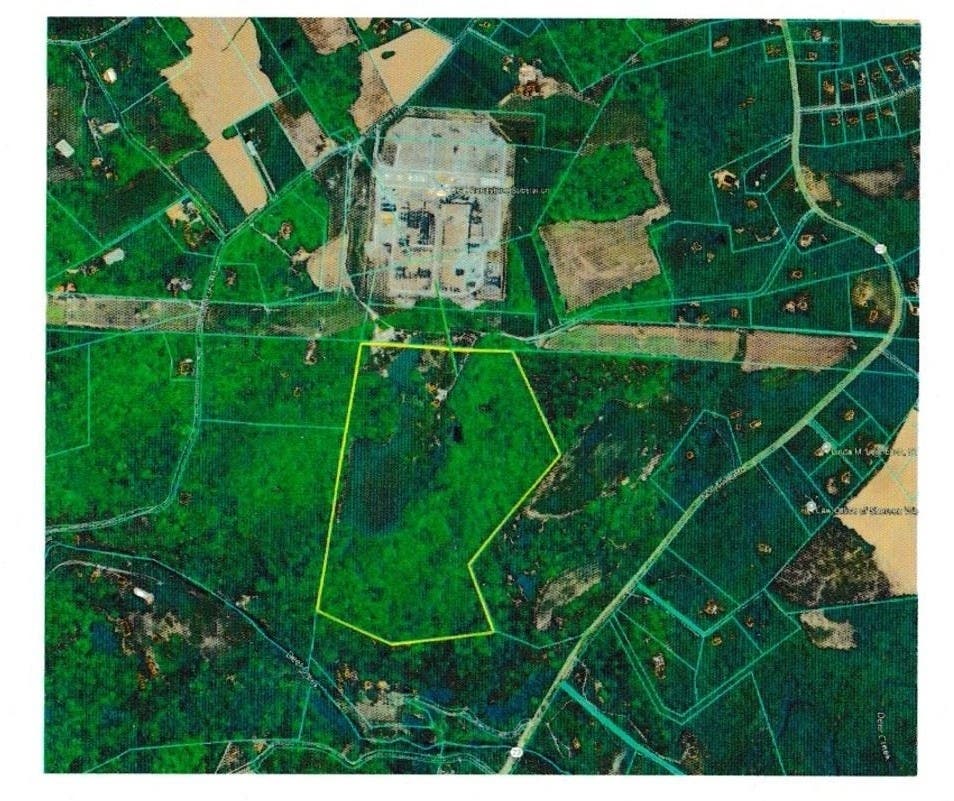
Other issues, such as its proximity to Deer Creek, a tributary to the Susquehanna River, have been brought up by Harford County officials. The facility would sit on approximately 71 acres.
The mostly forested site identified for the facility already hosts Baltimore Gas & Electric’s Conastone Substation, located in the northwestern corner of Harford County. A representative from Tenaska, the company developing the project, said that the facility would be located at least 600 feet from the waterway, and that most of the 70 acres would remain forested.
Find out what's happening in Bel Airfor free with the latest updates from Patch.
However, the state's decision does not kill the proposed Oystercatcher Energy Storage System, which would be built along Norrisville Road in White Hall next to Baltimore Gas and Electric's Conastone Substation.
The Maryland Public Service Commission announced Oct. 1 that it had declined to award Energy Storage Capacity Credits to the 500-megawatt Oystercatcher project during the first round of the state's energy storage procurement program.
Find out what's happening in Bel Airfor free with the latest updates from Patch.
The credits provide financial support intended to protect qualifying energy storage projects from fluctuations in electricity grid prices.
Tony Ruffin, a PSC spokesperson, told The Baltimore Sun that Oystercatcher's developers can still move forward with the Certificate of Public Convenience and Necessity process, which would be required before the project could be built. They would have to do so without the financial benefits provided through the Energy Storage Capacity Credit program.
The PSC cited the project's lower ranking, lack of cost effectiveness and potential ratepayer impacts in declining to award the credits. A cost-benefit analysis prepared by Power Advisory LLC also found the project's projected economic benefits did not match its costs. Some financial information in the analysis was redacted.
The proposed lithium-ion battery facility would be capable of storing up to 500 megawatts of electricity for six hours and would connect to BGE's Conastone Substation. According to the PSC, battery storage facilities can help stabilize the electric grid by storing electricity and releasing it when demand requires.
Harford County Executive Bob Cassilly has been among the project's most vocal opponents, raising concerns about potential environmental and public safety risks, including the facility's proximity to Deer Creek.
"The proposed location raises significant environmental and public safety concerns, particularly in the event of a fire or other incident," Cassilly wrote in a May 15 petition to intervene.
Residents also voiced opposition during a July 30 public comment hearing. The PSC said there needs to be "continued engagement with local stakeholders in Harford County" if developers decide to continue pursuing the project.
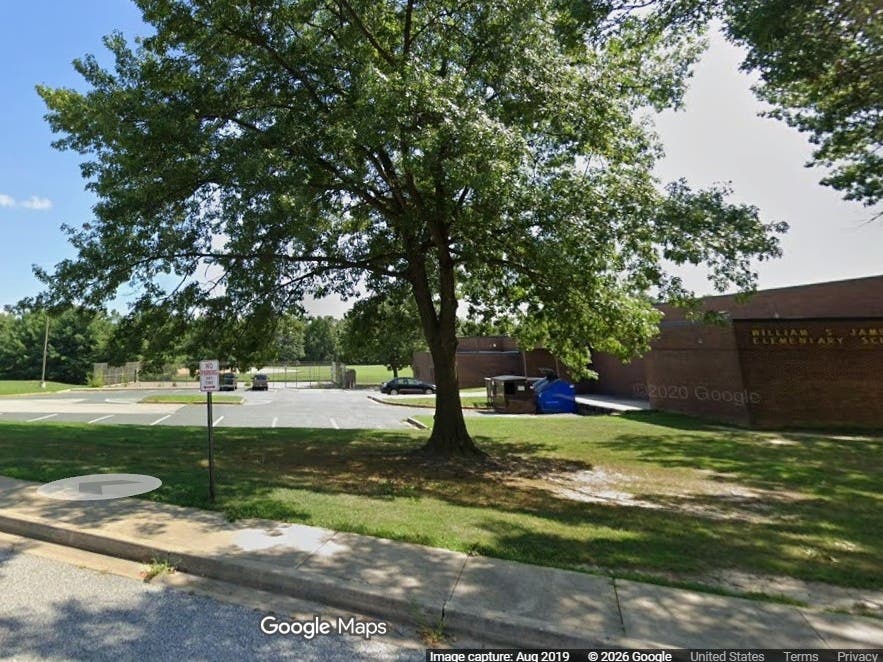
“Environmentally, you would struggle to find a worse site for this project,” said Jennifer Wilson, a resident who said at the public hearing that her children attend the nearby Norrisville Elementary School.
In an interview with Maryland Matters, Cassily said that the beloved creek — a favorite kayaking spot for him and his family — is located downhill. He sited worries that firefighters would have trouble fighting any blazes at the site nestled behind the substation, and that any chemicals used for firefighting, or contained within the battery facility itself, would flow down into the river.
“If anything goes wrong with this thing, it goes right down into the Deer Creek,” Cassilly said. “This is a cherished waterway that feeds the water supply.”
Lee Hine, who lives about a half mile from the proposed project, said during the public hearing that he was surprised by its location, given the hilly terrain in a prized natural area.
“The watershed is a prime aspect of why we all moved to this area. It’s a natural preserve here,” Hine said. “I’m trying to understand why we’re not looking for ‘brown ground’ facility areas — or at least flatter areas. This is a mountain. We live on a mountain.”
Despite denying Oystercatcher financial support in the first round, regulators have not closed the door on the project. The PSC cited Oystercatcher's "desirable electric grid location and characteristics" and encouraged the developer to apply again during the state's second round of energy storage solicitations.
That next round will begin after Jan. 1, 2027.
Oystercatcher was one of five projects that initially sought financial support through a program established under Maryland's Next Generation Energy Act.
Two of the five applicants later withdrew.
The PSC ultimately conditionally selected the 400-megawatt Chalk Point Storage Project in Aquasco in Prince George's County and the 40-megawatt Jade Meadow III Battery Storage Project in Barton in Garrett County.
Together, the two projects would provide 440 megawatts of storage capacity, well short of the 800 megawatts sought during the first round.
The projects would operate with four-hour storage durations under flat, 15-year award terms, subject to PSC conditions and additional approvals.
The commission estimated the two selected projects would cost a typical Maryland residential customer about 7 cents per month combined.
The Chalk Point project would be built at the existing Chalk Point power plant site in Prince George's County. Jade Meadow III would combine solar generation and battery storage on a former coal mine site in Western Maryland.
Both projects still must receive separate PSC approval to be constructed. That process includes additional public and evidentiary hearings addressing issues including safety, siting and environmental impacts.
The Next Generation Energy Act requires the PSC to conduct at least two solicitations for transmission-connected energy storage projects with a combined capacity of at least 1,600 megawatts.
The first round sought 800 megawatts of storage capacity.
The second-round request for applications is expected after Jan. 1, giving Oystercatcher another opportunity to seek financial credits if its developers decide to continue with the White Hall proposal.
Get more local news delivered straight to your inbox. Sign up for free Patch newsletters and alerts.