Community Corner
County Executive Cassilly Proposes Legislation to Limit Development
Cassilly administration proposes legislation to limit development; changes to ag preservation program based on workgroup recommendations

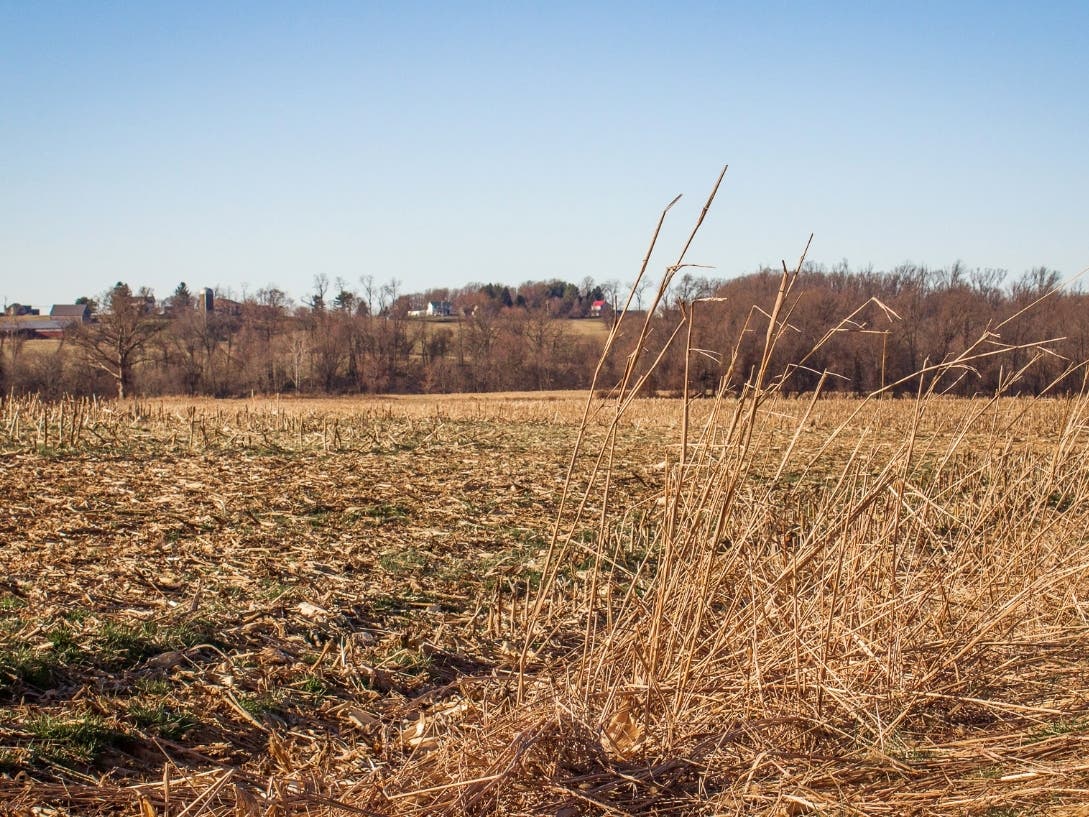
County Executive Bob Cassilly’s administration on Tuesday outlined proposed changes to Harford’s Agricultural Preservation Program that will expand opportunities for property owners to protect their land from development. The proposed changes are based on recommendations from a stakeholder workgroup that included members of the public.
Established in 1992, Harford’s existing program pays owners of agriculturally zoned property not to develop their land. Funding comes from the county’s tax on property title transfers.
Bill No. 24-002 was introduced to the County Council at County Executive Cassilly’s request and had a hearing Tuesday. Major changes to the existing program include:
Find out what's happening in Bel Airfor free with the latest updates from Patch.
- Expanding geographic diversity by including land in all zoning designations
- Reducing the minimum property size from 50 to 20 acres
- Adding bonus payments for land at high risk for development
- Adding forests, streams, and woodlands to the ranking system that determines eligibility
- Including secondary benefits such as water quality and open space in decision-making
- Adding a timetable for efficient and effective use of funds and to align with state programs.
The bill also changes the program’s name to “Harford County Agricultural Land Preservation Program,” to describe its purpose more accurately.
“This legislation will improve the way we manage development and preserve land for future generations,” County Executive Bob Cassilly said. “I would like to thank our workgroup members, including my staff, council members, and community members for their input. This was a model process for lawmaking that gathered stakeholders to discuss ideas and thoughtfully consider their effects. The process followed for the agricultural preservation bill stands in stark contrast to the bill expanding free-standing accessory dwelling units (ADUs) in residential areas, which was designed for special interests, lacked community input, and rightfully generated pushback from constituents. At the same council meeting where our agricultural preservation bill received universal acclaim, the ADU bill was withdrawn by its sponsor, providing an object lesson in how responsible legislation should be drafted.”