Politics & Government
Harford Liquor Board Receives 'Clean Audit'
The Harford County Liquor Control Board received a financial audit.


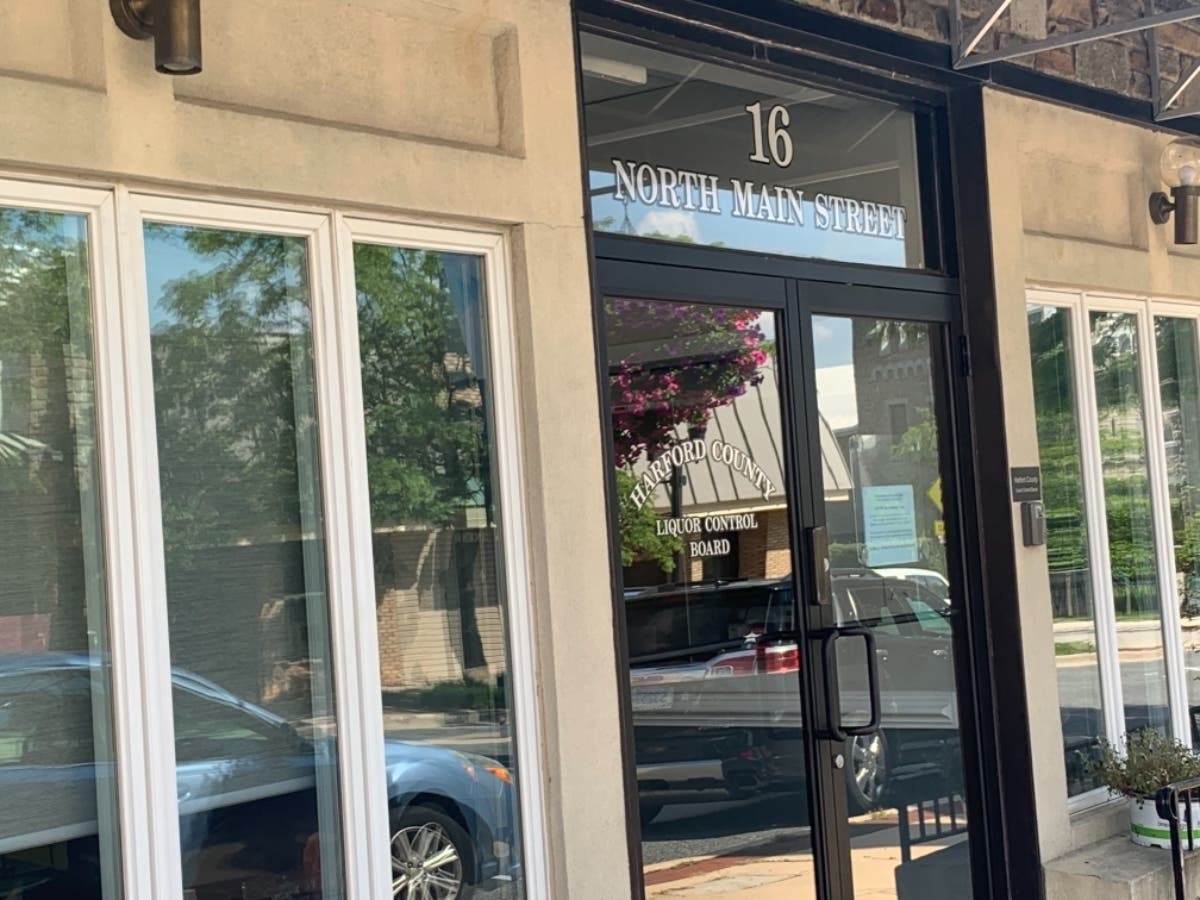
BEL AIR, MD — The Harford County Liquor Control Board received a "clean audit" from Weyrich, Cronin & Sorra. The agency audited the financial statements at the board’s request.
"As a result of this audit, we are expressing an unmodified opinion on the financial statements. This is typically known as a clean audit opinion, and it's the highest level of assurance that an accounting firm can provide," Certified Public Accountant Karen L. Dojan said on behalf of Weyrich, Cronin & Sorra.
In a divergence from previous years, Dojan said that her firm, which was contracted for the first time to conduct the audit, determined the liquor board had been reporting its finances as though it were operating as a not-for-profit organization, which the agency suggested was not the best way.
Find out what's happening in Bel Airfor free with the latest updates from Patch.
"Because you are an instrumentality of Harford County, we believe that a presentation under the governmental accounting standards board was more appropriate for the organization," Dojan said, "so there were some modifications that occurred."
Patch was not immediately provided with a copy of the audit. We have filed a request under the public information act to obtain access to the document.
Find out what's happening in Bel Airfor free with the latest updates from Patch.
The Harford County Liquor Control Board is a state agency that is self-supporting, funded by its fees from licenses and fines, Harford County government spokeswoman Cindy Mumby previously explained to Patch. Its members are nominated by the Harford County executive, submitted to the state delegation and approved by the county council. Its job is to administer state alcoholic beverage laws outlined in Maryland's code and rules determined by the board.
Because the organization was classified as a nonprofit in previous audits, Dojan said there was a difference in the way that costs and revenue were reported this year.
One element that was new under the governmental reporting was money set aside for pensions, since the liquor board is part of the state retirement system.
Overall, the board had $636,556 in cash as of April 30, which is a decrease of $121,000 or 16 percent from the year prior, she said.
The board had $751,884 in cash going out, and she said cash flow reporting showed where some went.
"There was definitely a drop in the cash for the year," Dojan said, explaining it was a 16 percent decrease from the previous year.
Outflow: $751,884
Revenue: $455,000, which Dojan said was very comparable to previous years.
Operating expenses: $517,940. "That's up $67,000 from the previous year," Dojan said, "most of that having to do with personnel expenses." One area that saw a decrease was legal/professional fees down $24,000, she said, since "obviously work that you needed from your legal counsel the previous year was not a recurring event."
Operating loss: $62,000
Two major elements contributed to the drop in funds year over year, according to Dojan: accounts payable decrease and net pension liability.
Accounts payable were $3,645 as of April 30.
"That's a $38,000 or almost 91 percent decrease from the previous year," Dojan said. "So that's where some of that cash went, there was just a timing difference between the two years."
Here is how she explained it when Patch asked for clarification regarding timing.
"In any given year, there are timing differences related to bill payment which can effect the amount of cash on hand at year-end," Dojan said in an email to Patch. "For whatever reason (i.e., late receipt of bills, timing of check runs, etc.) the accounts payable (unpaid invoices) were greater at the end of 2018 than 2019, so the cash balance was reduced by $38,000 shortly after 4/30/18. Additional cash was also spent for the overall operations in 2019 that further reduced the cash balance at the end of 2019."
Said Dojan: "This occurrence is not unusual for an organization, and it had nothing to do with the change in accounting standards."
The net pension liability was $109,134, which Dojan said was not a cost that was going to be paid in the immediate future; it's long-term.
"It is the estimated value of what you will have to pay based on your current employees over time" toward the state retirement system, Dojan explained at the liquor board's Oct. 9 meeting where she presented the audit. The liquor board was .00052 percent of the entire system, she said, and it has to pay a share.
"This may not have been reported previously," she said, and the value is actuarily determined by the state. The pension is a "huge liability" those in the state of Maryland are on the hook to support, she added.
At the end of the presentation, Dojan said there were some "other communications that we were required to give you, noting whether or not there were any significant deficiencies or room for improvement," which she noted to the board "may be something you want to discuss in executive session."
She said she could discuss reporting and "future controls" if the liquor board was interested in continuing the discussion, which it opted not to do in a public forum.
Get more local news delivered straight to your inbox. Sign up for free Patch newsletters and alerts.