Politics & Government
Here's How Often Harford County Residents Get Audited
A new study looks at where in the U.S. people are most likely to get audited. Here's what it shows for Harford County.


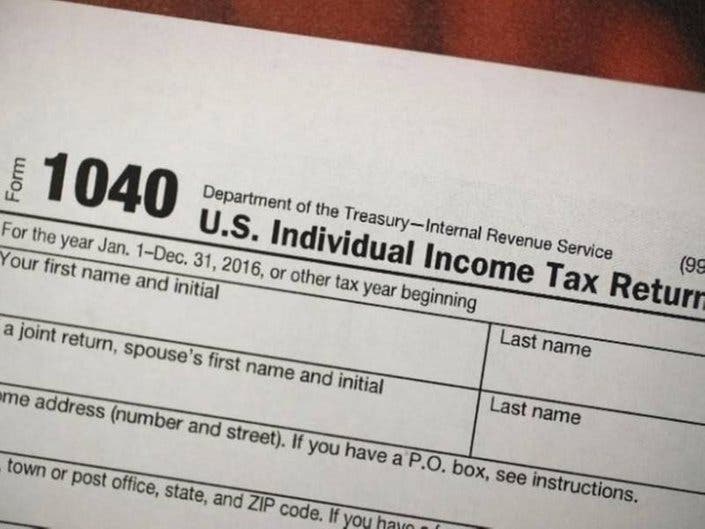
HARFORD COUNTY, MD — It's tax-filing season, and a recent study shows that some places in America are significantly more likely to get audited by the IRS than others. Fortunately, Harford County is not one of them.
ProPublica created an interactive map based on a recent study by Kim Bloomquist, who served as senior economist with the IRS' research division for two decades. That study was published first in Tax Notes. Based on the research, the map from ProPublica shows where people are audited at higher and lower rates than the national average.
According to the map, an estimated 6.8 per 1,000 filings in Howard County were audited. That's lower than the national rate of 7.7 per 1,000 fillings.
Find out what's happening in Bel Airfor free with the latest updates from Patch.
Here's how Harford County compares with some area jurisdictions, according to the map:
- 8.3 per 1,000 filings in Baltimore City were audited.
- 7.8 per 1,000 filings in Montgomery County were audited.
- 7.6 per 1,000 filings in Howard County were audited.
- 7.2 per 1,000 filings in Baltimore County were audited.
- 7.1 per 1,000 filings in Anne Arundel County were audited.
- 7 per 1,000 filings in Prince George's County were audited.
- 6.9 per 1,000 filings in Cecil County were audited.
- 6.8 per 1,000 filings in Harford County were audited.
- 6.7 per 1,000 filings in Carroll County were audited.
Nearby in Baltimore City, the rate is above the national average; there, 8.3 per 1,000 filings were audited. Montgomery County was also slightly higher than average, with 7.8 per 1,000 filings audited, according to the study.
Find out what's happening in Bel Airfor free with the latest updates from Patch.
The map shows a stark geographic divide in who gets audited and who doesn't. By and large, the IRS audits counties in the South at a much higher rate than those in the North. That's especially true in rural Humphreys County, Mississippi. The county has just an estimated 8,342 residents — 76 percent of whom are black — and sees 11.8 audits per 1,000 residents.
It's no accident the IRS targets the county, the authors wrote. Last year, ProPublica reported that the IRS audited recipients of the Earned Income Tax Credit (EITC) at higher rates than all but the very wealthiest. The EITC helps working people with low or moderate income by reducing the amount of tax they owe. Some people even get a refund.
"In a baffling twist of logic, the intense IRS focus on Humphreys County is actually because so many of its taxpayers are poor," the authors wrote. "More than half of the county's taxpayers claim the earned income tax credit, a program designed to help boost low-income workers out of poverty."
Robert Marvin, a spokesman for the IRS, told Patch in a statement that the agency plays "a critical role" in providing financial help to low-income households. Each year, more than 9 million adults and kids are lifted above the poverty level as a result of the EITC.
To ensure the process remains fair for all taxpayers, the IRS targets returns that have the "highest likelihood of noncompliance," he said. Audits are doled out using a scoring system based on risk. The selection process applies the same business rules, filters and scoring to every return to identify "potentially non-compliant taxpayers."
"The selection criteria does not include any components or factors related to the geographic location or ethnicity of the taxpayers," Marvin said.
The IRS regularly reinforces its expectations about fairness and integrity when creating or changing the process for selecting returns for audit, he said and all agency workers are informed of the "fair and equitable treatment of taxpayers under the law."
The audit rates were estimated by combining audit coverage rates in the yearly IRS Data Book with county tax return data. The rates are based on the years 2012 to 2015.
The study comes as many Americans brace for smaller-than-expected refund checks following the passage of the Tax Cuts and Jobs Act. Those concerns may prove to be overblown, though.
On March 22, the latest cumulative IRS statistics showed the average refund was $2,915, just $10 less than the same period in 2018. The total number of refunds, meanwhile, dropped 2.6 percent.
Patch national staffer Dan Hampton contributed to this report.
Get more local news delivered straight to your inbox. Sign up for free Patch newsletters and alerts.