Health & Fitness
Mosquito Spraying In Abingdon Planned
The Maryland Department of Agriculture will be spraying for mosquitoes around Abingdon Tuesday due to health concerns.


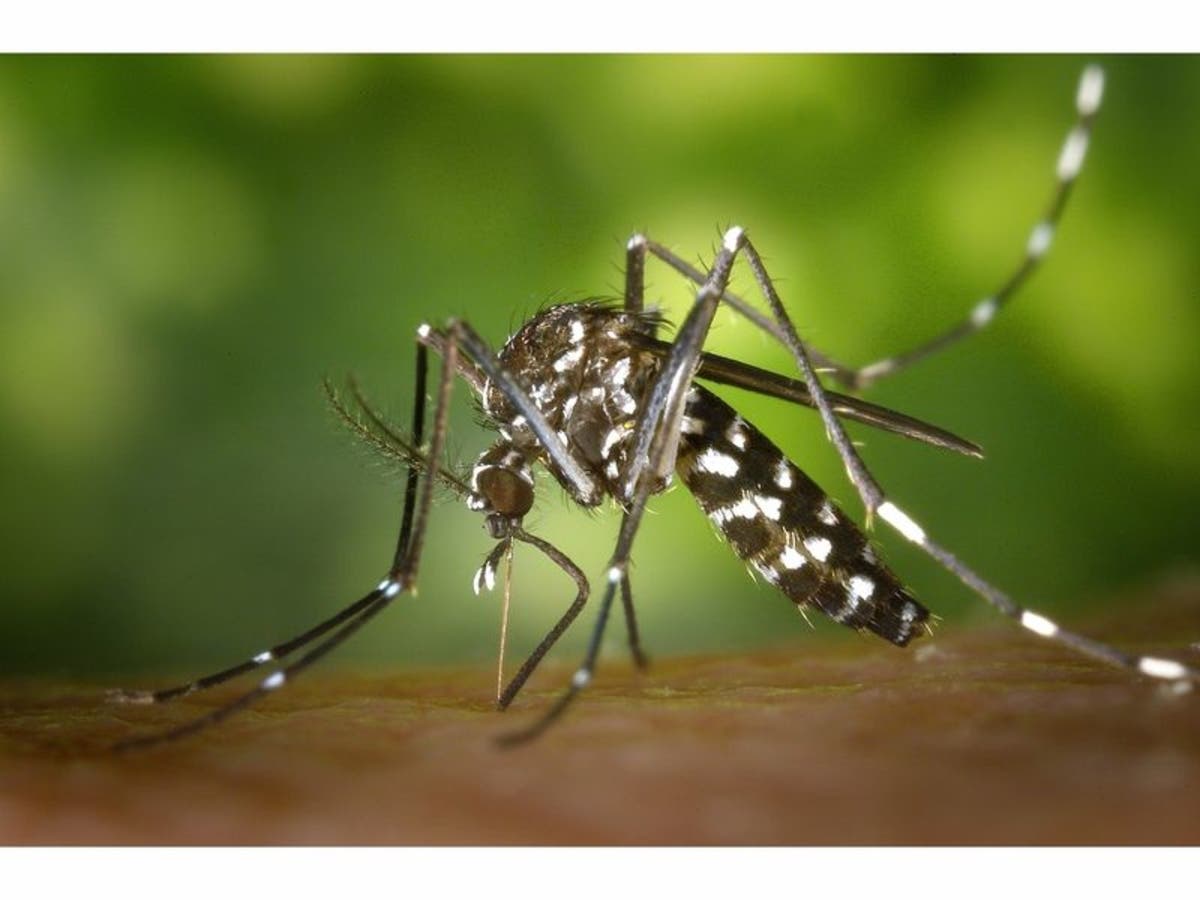
ABINGDON, MD — The Maryland Department of Agriculture announced it will be spraying for mosquitoes in the Abingdon area Tuesday night. The mosquito spraying is being conducted in conjunction with Harford County based on health concerns over the potential for mosquito-borne diseases, officials said.
Constant Friendship and Norris Corner are the neighborhoods that authorities said would be affected.
An ultra low-volume truck will spray to control adult mosquitoes in a 1-mile radius along Emmorton and Singer roads.
Find out what's happening in Bel Airfor free with the latest updates from Patch.
The truck will start spraying a permethrin-based solution after 7:30 p.m. on Tuesday, Sept. 11, officials said.
While authorities say that there are minimal impacts anticipated, they advise avoiding outdoor activities during the spraying.
Find out what's happening in Bel Airfor free with the latest updates from Patch.
Any previously planned mosquito spraying activities will be rescheduled, and if there is inclement weather, officials said spraying would be rescheduled for the next available night.
The first case of West Nile virus in an adult in Maryland this year was reported in late July, and the state sprayed in Harford County at that time but would not confirm the case was in Harford County. Mosquito spraying took place in the Bel Air area around July 23; it had been planned for July 22 but was postponed due to weather.
Based on its mosquito surveillance, the Maryland Department of Agriculture said in its most recent update: "West Nile virus has affected every region of Maryland and is now considered as being endemic throughout the state."
As of Aug. 28, health officials said there had been 12 cases of West Nile virus reported in Maryland: five in the Baltimore metro area, six in the D.C. metro area and one on the Eastern Shore.
People can do these things to prevent their risk of contracting mosquito-borne illness:
- Wear long pants, long-sleeved shirts and hats
- Reduce standing water — dump rain that has accumulated in places like garbage cans
- Install, inspect and repair window screens in homes and stables
- Use an Environmental Protection Agency-registered insect repellent
- Clean bird baths and pet bowls and remove unnecessary water containers
The Maryland Department of Health maintains a West Nile page with information about reported cases.
What Happens If You Get West Nile Virus?
There are dozens of people infected with West Nile virus in Maryland annually, with officials saying 46 cases were reported in 2015.
While 80 percent of people infected do not have symptoms, about 20 percent of those with West Nile virus have a fever with headache, body aches, diarrhea, rash and/or swollen lymph glands within two to 14 days of being bitten by an infected mosquito. Most people recover on their own but fatigue and/or weakness may last weeks or months.
Fewer than 1 percent of people infected with West Nile virus experience more severe symptoms — such as tremors, paralysis, convulsions, neck stiffness, high fever, muscle weakness and coma — according to the Centers for Disease Control and Prevention.
It can be fatal, particularly for sensitive groups such as those over 60 years of age and people with compromised immune systems.
Once it is discovered that a person has West Nile virus, the Maryland Department of Agriculture will spray around a three-quarter mile radius of where an individual infected with the virus resides, and there will be routine spraying throughout the state where communities participate in mosquito spraying, officials said.
Anyone who would like more information about the Maryland Department of Agriculture’s Mosquito Control Program may call 410-841-5870.
Image via Shutterstock.
Get more local news delivered straight to your inbox. Sign up for free Patch newsletters and alerts.