Weather
Hurricane Dorian: How To Prepare Maryland Homes, Families
Hurricane Dorian is forecast to spin up the coast this week, so it's time for Maryland residents to prepare for flooding and power outages.


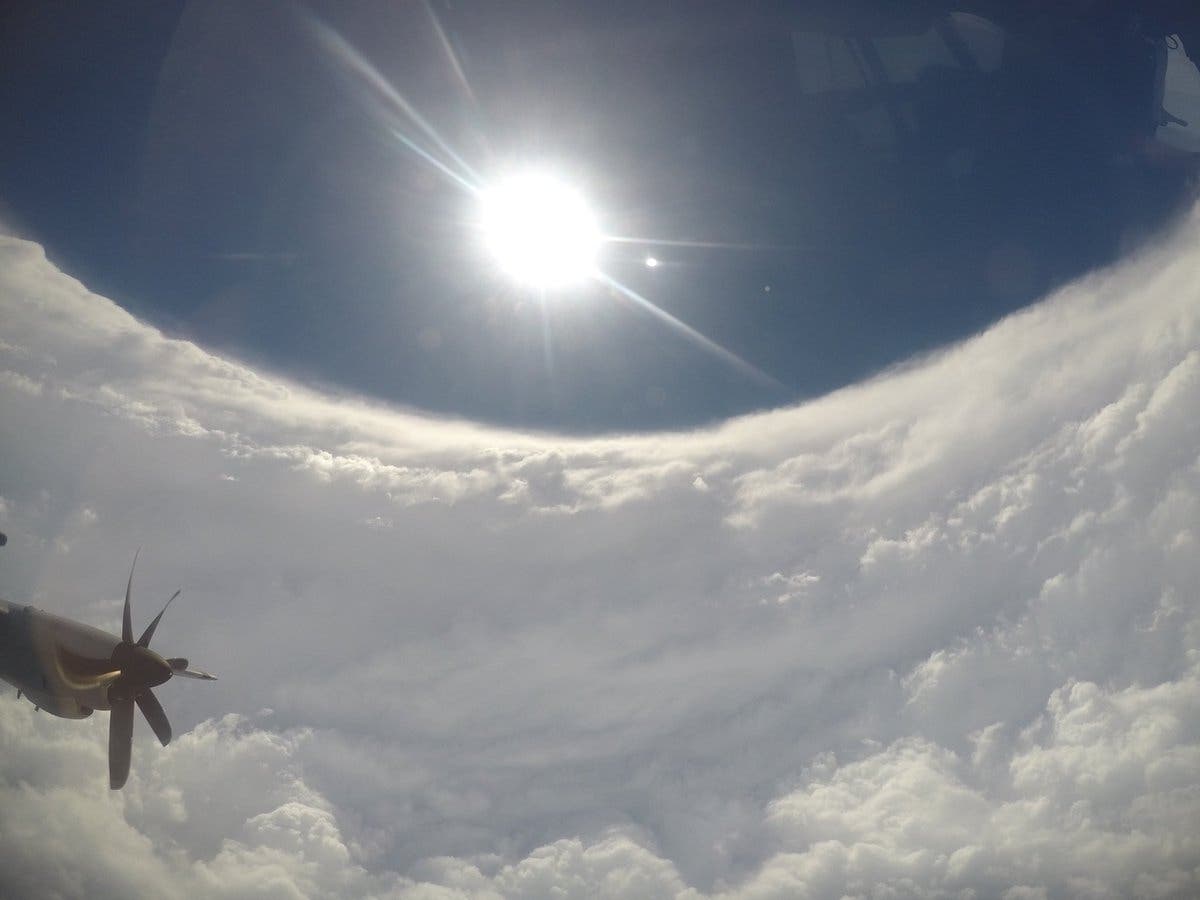
MARYLAND — If Hurricane Dorian makes an expected turn north up the East Coast, its effects could be felt across much of Maryland, with tropical storm-force winds, heavy rains and storm surge possible later in the week. The record-setting storm made landfall in the Bahamas Sunday afternoon as a devastating category 5 storm packing 185 mph sustained winds. Forecasters say Dorian — a category 4 storm as of midday Monday with 155 mph winds — could reach southern Virginia by late Thursday and northern Virginia and Maryland by midday Friday. So it's time to lay in supplies and make sure you can get your family and house ready for a fierce storm.
Dorian may deliver tropical storm-force winds to Maryland shores by Thursday night, Sept. 5, based on projections which are subject to change. Tropical storm-force winds are defined as those 39 to 73 mph. The Eastern Shore may experience heavy rain after 2 p.m. Thursday, according to the forecast from the National Weather Service. Tropical storm conditions are possible Thursday night, followed by strong winds Friday.
Marylanders should prepare, the Maryland Emergency Management Agency said. "If it were to affect Maryland, that likely would not happen until late this week. Now is the time to make sure you have a disaster supply kit and an emergency plan."
Find out what's happening in Bel Airfor free with the latest updates from Patch.
Here are things you should do before a hurricane arrives in the region.
- Complete a family communication plan. Plan how you will assemble your family and loved ones and anticipate where you will go for different situations. Get together with your family and agree on the ways to contact one another in an emergency and identify meeting locations.
- Check your insurance coverage. Most homeowner's insurance policies do not cover damage or losses from flooding. Review your policy, ensure you're adequately covered and understand exclusions, and contact your agent for any changes.
- Develop an Evacuation Plan. Find out if you live in a storm surge hurricane evacuation zone or if your home is unfit to keep you safe in a hurricane. Speak with family and friends and work out a plan to use their home as an evacuation destination. Be sure to account for pets, since many shelters do not allow them.
- Download the FEMA app. Receive weather alerts from the National Weather Service for up to five different locations anywhere in the United States. To search for open shelters (for disaster survivors): text SHELTER and a Zip Code to 43362 (4FEMA).
- Register with American Red Cross's Safe & Well site to let family and friends know you're okay.
Power Outages
Find out what's happening in Bel Airfor free with the latest updates from Patch.
In preparation for potential power outages, individuals should prepare or update their emergency kits. Ensure you have flashlights, batteries, and other items to endure periods without power.
- Turn the refrigerator and freezer to the coldest setting in anticipation of a power outage. Open the door only when necessary and close quickly. Frozen food in a half-full freezer should remain safe for up to 24 hours, and in a full freezer, up to 48 hours.
- During a power outage use flashlights and battery-powered lanterns for light. Avoid using candles which pose a fire risk.
- Ensure a supply of water for sanitary purposes such as personal cleaning and flushing toilets. Fill a bathtub or other large container with the water. This is particularly important for those whose water runs off of an electrical system.
Important Maryland Utility Numbers Include:
- PEPCO: 1-877-737-2662
- Baltimore Gas and Electric (BG&E): 1-877-778-2222 or 1-800-685-0123
- First Energy/Potomac Edison: 1-888-544-4877
- SMECO: 1-877-747-6326 or 1-888-440-3311
- Washington Gas: 1-800-752-7520
- Washington Suburban Sanitary Commission: 1-800-828-4002
Make a To-Go Kit
- Clothes and sturdy shoes that are appropriate for the weather
- Cash in small bills
- Snacks and water
- Small first aid kit
- Hygiene items (toothbrush, toothpaste, deodorant, feminine products, etc.)
- Eyeglasses
- Contacts and contact solution
- Communication devices/equipment
- Favorite personal or comfort items
- Cell phone and chargers
- Flashlight and batteries
- Contact information for your household members and members of your support network
- Important documents in a waterproof bag or container (Insurance cards, Medicaid/Medicare cards, photo IDs, proof of address, marriage certificate, birth certificates, copies of credit or debit cards.)
- Jumper cables for vehicles
Gather Supplies to Shelter in Place
- Water (1 gallon of water per person per day for 3 days)
- Nonperishable food (3-day supply)
- Manual can opener
- Flashlight and extra batteries
- Radio and extra batteries
- First aid kit
- Whistle or bell to signal for help
- Paper and pencil/pen
- Pair of heavy gloves
- Dust mask
- Prescription medications, at least a 3 day supply (as well as a list of what you take, why you take them, and their dosage)
- Non-prescription medications, such as pain relievers, anti-diarrhea medication, antacids, or laxatives
- Medical supplies (Oxygen, medication, scooter battery, hearing aid and batteries, mobility aids, glasses, etc.)
- Infant formula/babyfood, bottles, diapers, wipes
- Entertainment - books, toys, puzzles for children
- Supplies for service animals or pets (food, water, medicine, leash, collar, harness, veterinary info)
- Sleeping bag or blankets
- Kitty litter or sand for vehicles
Make Copies of Documents, Prepare Electronic Contacts
- Store important documents in a secure, password-protected jump drive or in the cloud.
- Capture electronic versions of important documents such as insurance policies, identification documents, and medical records. Don't forget to include your pet's information.
- Back-up your computer to protect photos and other personally important electronic documents.
- Scan old photos to protect them from loss.
- Keep your contacts updated and synced across all of your channels, including phone, email and social media. This will make it easy to reach out to the right people quickly to get information and supply updates. Consider creating a group listserv of your top contacts.
- Create a group chat via a texting app or a thread for family/friends/coworkers to communicate quickly during a disaster.
- Sign up for Direct Deposit and electronic banking through your financial institution so you can access your payroll funds and make electronic payments wherever you are. Federal benefit recipients can sign up by calling (800) 333-1795 or at GoDirect.org.
Find more tips and advice on the federal government's Ready.gov website.
Patch is tracking every move of Tropical Storm Dorian. Get all the updates on the storm by subscribing to Patch's free breaking news alerts and daily newsletters.
Maintaining Your Kit
After assembling your kit remember to maintain it so it’s ready when needed:
- Keep canned food in a cool, dry place
- Store boxed food in tightly closed plastic or metal containers
- Replace expired items as needed
- Re-think your needs every year and update your kit as your family’s needs change.
Prepare Your Home
- Bring loose, lightweight objects such as patio furniture, garbage cans and bicycles inside.
- Anchor objects that would be unsafe to bring inside (e.g., gas grills and propane tanks).
- Trim or remove damaged trees and limbs close enough to fall on structures.
- Secure loose rain gutters and downspouts and clear any clogged areas or debris to prevent water damage to your property.
- Purchase a portable generator or install a whole-house generator for use during power outages.
- Keep alternative power sources, such as a portable generator, outside, at least 20 feet away from the house, and protected from moisture.
- Document the condition of your home prior to the storm.
SEE ALSO:
Get more local news delivered straight to your inbox. Sign up for free Patch newsletters and alerts.