Health & Fitness
7 Tips for Cleaning Fruits and Vegetables
Last year there was several outbreaks and news scares about people getting sick from fruit and vegetables. Here are a few tips to keep your family safe this summer.
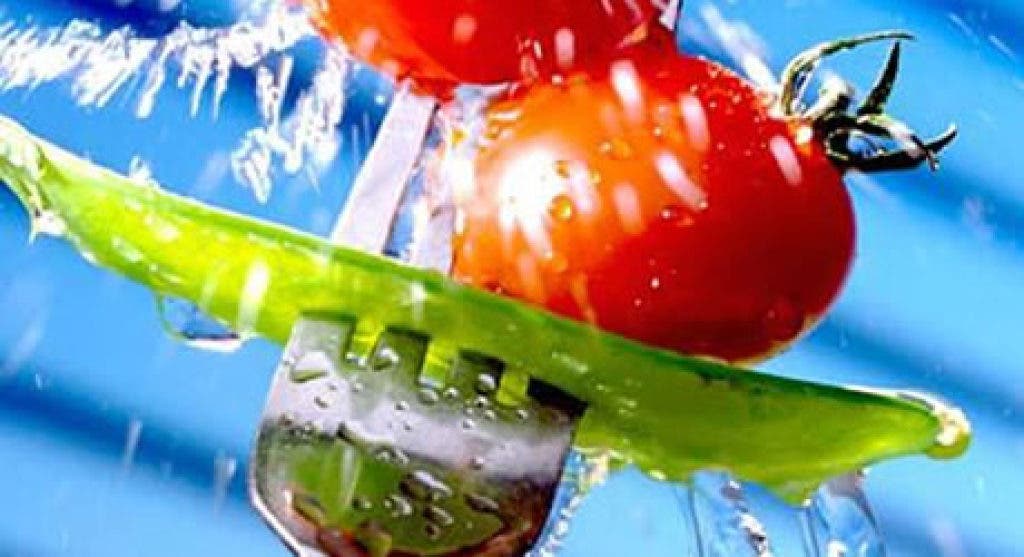
Summer is here and so is all of the local produce. Graul's Market is currently selling quite a bit of local produce from the Eastern Shore and surrounding areas. Last year, there was several outbreaks and news scares about people getting sick from fruit and vegetables. Below is an excerpt from an FDA newsletter recently sent out to the public, and I thought it would be worth posting to keep our families safe this summer.
7 Tips for Cleaning Fruits, Vegetables
Federal health officials estimate that nearly 48 million people are sickened by food contaminated with harmful bacteria each year, and some of the causes might surprise you.
Find out what's happening in Broadneckfor free with the latest updates from Patch.
Although most people know animal products must be handled carefully to prevent spoilage, many don’t realize that fruits and veggies can also be the culprits in outbreaks of food borne illness. Last year, the United States has had several large outbreaks of illness caused by contaminated fruits and vegetables—including spinach, tomatoes, and peppers.
Glenda Lewis, an expert on food borne illness with the Food and Drug Administration, says produce can be contaminated in many ways. During the growing phase, fruits and veggies may be contaminated by the soil, water, or the fertilizer. After it’s harvested, it passes through many hands, increasing the contamination risk. Contamination can also occur once the produce has been purchased, during the food prep or even through inadequate storage. With so many sources from whence contamina¬tion can occur, safely preparing your produce before eating is especially important.
Find out what's happening in Broadneckfor free with the latest updates from Patch.
FDA says to choose produce that isn’t bruised or damaged, and make sure that pre-cut items—such as bags of lettuce or watermelon slices are either refrigerated or on ice both in the store and at home. In addition, follow these recommendations:
1. Wash your hands for 20 seconds with warm water and soap before and after preparing fresh produce.
2. Cut away any damaged or bruised areas before preparing and eating.
3. Gently rub produce while holding under plain running water. There’s no need to use soap or a produce wash.
4. Wash produce BEFORE you peel it so dirt and bacteria aren’t transferred from the knife onto the fruit or veggie.
5. Use a vegetable brush to scrub firm produce, such as melons and cucumbers.
6. Dry produce with a clean cloth or paper towel to further reduce bacteria that may be present.
7. Throw away the outermost leaves of a head of lettuce or cabbage.
Lewis says you should store perishable produce in the refrigerator at 40 degrees or below. Because cooking food kills harmful bacteria, raw veggies and fruits carry the biggest risk of contamination. Lewis says to steer clear of raw sprouts, which are often served on salads, wraps, sandwiches, and Asian food.
Find this and other Consumer Updates at www.fda.gov
For Consumers/Consumer Updates Sign up for free e-mail subscriptions at www.fda.gov/consumer/consumerenews.html
Follow GoBroadneck.com on Facebook at www.facebook.com/broadneck