Neighbor News
Alzheimer’s Association Aims to Reach Everyone Touched by Malady
It affects more than seven million Americans, including 127,200 Marylanders
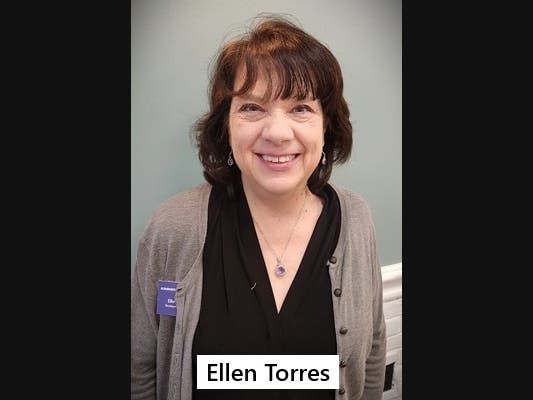
Ellen Torres, the Association’s development director for the past 12 years, was guest speaker at a recent meeting of the Columbia-Patuxent Rotary Club. She said Alzheimer’s kills more people than breast cancer and prostate cancer combined. Alzheimer’s deaths have increased substantially while other causes have declined.
Ellen defined dementia as the “overarching umbrella” of disease. Alzheimer's is the most common form. It’s a progressive brain disease affecting memory, thinking, and behavior that eventually interferes with daily tasks and bodily functions.
She mentioned some common warning signs such as challenges in planning/problem-solving, difficulty completing familiar tasks, confusion with time/place, problems with words or speech, misplacing items, and showing poor judgment and changes in mood or personality.
Find out what's happening in Columbiafor free with the latest updates from Patch.
Ellen said that 12 years ago there were no treatments, but that's changed. There are recent advances for very early-stage Alzheimer’s and newer therapies that can slow progression for some patients. “It is not a cure,” she explained. “But it is helping to give more time for living your life, living your life in the earliest stages before things get worse, having more time to make your own decisions, and be with your family.”
Lacking a sure cure, Ellen said the best course now is awareness that lifestyle and cardiovascular health strongly influence dementia risk.
Find out what's happening in Columbiafor free with the latest updates from Patch.
She recommends (1) physical exercise; (2) managing blood pressure, weight, cholesterol and diabetes; (3) good nutrition; (4) stimulating your brain to preserve cognition; (5) adequate sleep essential for brain “cleansing”; (6) don’t smoke; and (7) protect your head from injury like concussions.
She also noted there’s a surprising link between hearing and dementia. Studies show that hearing-aid use (in people with hearing loss) leads to a 48% reduction in their risk for dementia. “Your ears are the entry to your brain,” Ellen said, explaining that auditory stimulation preserves brain input and synaptic activity.
She stressed that practical steps – control cardiovascular risk factors, prioritize sleep and hearing, stay physically and mentally active, and seek help early – are key to reducing risk or slow decline and improving quality of life.
Columbia-Patuxent Rotary is the largest and most active of the seven Rotary clubs in Howard County. It meets every Friday at 7:30 a.m. at JAM Eateries. Visitors are always welcome.