Health & Fitness
Heterogeneous Grouping Debate Still Rages On
While parents and educators debate the downfalls and merits of heterogeneous grouping at many county schools, it's key to remember that our students are at the bottom line.
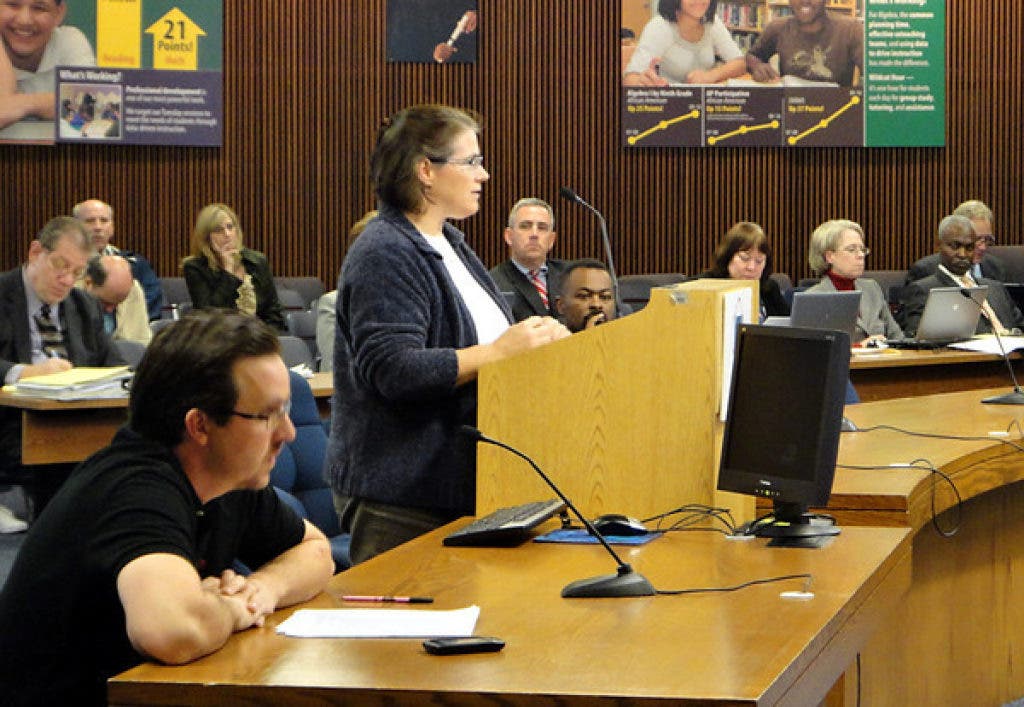
First quarter is over, report cards are out, and the buzz still continues in all of Anne Arundel County about the new wave of grouping kids in mixed ability levels, also known as heterogeneous grouping.
I’ve had conversations with many parents in the last six months, some of whom are outraged at the concept of their child being grouped with others who are (not my words) “less capable.” I’ve met with others who have been thrilled at the concept of mixed grouping and the ability for their kids to be exposed to all different kinds of learners. But most of what I have gotten is questions: does this type of classroom work? Does it produce results? Do the high achievers miss out? Do the struggling students get left behind?
Find out what's happening in Croftonfor free with the latest updates from Patch.
Educational journals, research, and experts argue over the topic. There have been studies that show both types of grouping to be beneficial to learning and student achievement. But, there have also been studies that show each type to be negative. In reality, the benefits and challenges seem to be situational and different for each child in each circumstance. So, given that I (and hundreds of conflicting educational opinions worldwide) can’t really tell you whether this type of grouping is beneficial, what can you do to help your child?
Find out what's happening in Croftonfor free with the latest updates from Patch.
I’m going to jump back to some of my default pieces of advice for parents who want to help their student achieve. They may be old, and some of them may seem obvious, but they’re good (and not always as obvious as you’d think). The first seemingly obvious one? Talk to your child about school. Ask about his day. Discuss with her what she learned. Talk about great successes. Talk about struggles. Talk about friends. The key: TALK. It’s easy to get busy with life (I’m guilty of it myself) and forget to discuss things. But, make time, even if it is in the car on the way to practice. Turn off the radio, unplug the headphones, and have a real conversation. It might seem forced at first, particularly if you haven’t been doing it regularly, but after time it will come more naturally. And the rewards are countless.
Another key is to communicate with your child’s teacher. Today it’s easier than ever, particularly with inventions like Teacher Ease and email. The internet has given us a constant fuel of ways to be in touch. Use them. Even if it’s to ask how your child is doing, stay in touch with your child’s teacher. Volunteer a few hours of your time to help in the classroom or chaperone a field trip. Visit during American Education Week. This stream of communication will give you a wider window to gain insight if and when things begin to get challenging.
Finally, keeping a goal-oriented mindframe and working with your child to reach those goals is key to your child's success. Set manageable goals for your child (to turn in all of my homework, to get all green lights for behavior, to memorize all of my 3's in multiplication), not lofty ones. And come up with concrete steps and checkpoints towards getting to those goals. If your child slips along the way, find a way to reset the goal and start again. Keeping these goals posted, as well as working together to reach them, will keep your child engaged, no matter what the classroom environment.
While the debate may rage on (and probably will for some time), don't lose sight of the most important thing within the situation: your child's learning.