Health & Fitness
BLOG: You Are What You Eat
Does eating organic produce make a difference? If you want to avoid potentially toxic chemicals —yes. But studies show that when it comes to certain nutrients they are almost the same.

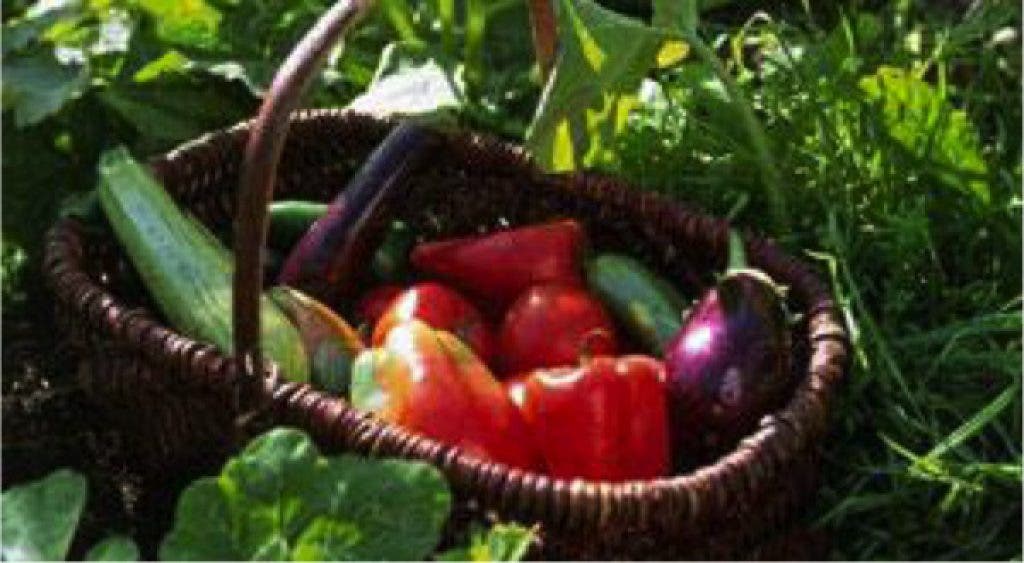
You’ve heard it said that “you are what you eat” and this is certainly true. You’ve also been told that growing your own vegetables is more nutritious than store-bought produce and this is also true. But if you have a choice is it REALLY worth buying or growing ORGANIC produce? You’ll have to decide that for yourself.
I was reading an article from discovery.com saying that a study from the University of Copenhagen shows that there isn’t much difference in the antioxidant/nutritive values between organic and non-organic vegetables. Of course they only tested three different vegetables and only a few selected nutrients, so I’m a little confused how this study can come to this conclusion.
Even if this turns out to be true, that organic and non-organic produce are equally NUTRITIOUS, I would still encourage you to buy organic or better yet, grow your own food and grow them using organic methods such as Square Foot Gardening.
Find out what's happening in Glen Burniefor free with the latest updates from Patch.
Growing organically means there are no chemical fertilizers, herbicides (vegetation killers), pesticides (bug killers), drugs or hormones. Remember I said you are what you eat? Well these chemicals ultimately end up in YOU! Not only is organic food better for you, it’s better for the ecosystem in that it doesn’t kill off microorganisms, beneficial insects, birds and other pollinators.
It is thought that chemicals we spray on our food might be what’s causing obesity. Several organizations, such as Consumer Reports rates their list of “dirty dozen” which are the most contaminated fruits and vegetables that if at all possible you should buy organic: peaches, apples, sweet bell peppers, celery, nectarines, strawberries, cherries, kale, lettuce, imported grapes, carrots, pears.
Find out what's happening in Glen Burniefor free with the latest updates from Patch.
A study in Environmental Health Perspectives says that eating the right produce and avoiding the “dirty dozen” for just five days can significantly reduce pesticide-based obesogens to nearly undetectable levels. Obesogens are chemical compounds that alter fat storage and change the metabolism.
So while organic and non-organic food sold in the grocery store may have similar levels of antioxidants and a couple other nutrients, they are worlds apart in how your body handles them. And of course neither holds a candle to the vegetables you grow ORGANICALLY in your own garden. Nutritional values drop significantly the longer you wait after they’re picked before you consume them. Of course this means that if you go outside and pick fresh green beans out of your garden right before dinnertime, they are more nutritious than if you bought them in the grocery store three days ago.
You need to determine what is most important to you and your family—nutrition or reducing the chemicals in your food. The reason I say this is because a tomato grown conventionally (using chemicals) that was picked yesterday at a local farmer’s market or roadside stand is more NUTRITIOUS than an organic tomato that was picked more than a week ago and shipped from a couple thousand miles away. BUT if you want to keep chemicals out of your body, the organic tomato is your choice.
If you can find locally grown organic produce, you’re even further ahead. But once again I would encourage you to seriously consider starting your own garden. This will give you the nutritional boost of just picked produce and will allow you to control what chemicals you use. Remember that with the Square Foot Gardening method ALL the nutrition your plants need is contained in the soil-less growing medium we use and since the garden is so small, it will be easy to spot and correct any insect problems as soon as they happen.