Health & Fitness
BLOG: Farm to School Program
The goal of the national and state Farm to School programs are to get local farm products into our schools and provide better nutrition for the students and help regional farms at the same time.


According to http://www.farmtoschool.org/ “Farm to School is broadly defined as a program that connects schools (K-12) and local farms with the objectives of serving healthy meals in school cafeterias, improving student nutrition, providing agriculture, health and nutrition education opportunities, and supporting local and regional farmers.” The national program supports state programs by providing free training and technical assistance and helps get farms and school systems together in each of the 50 states.
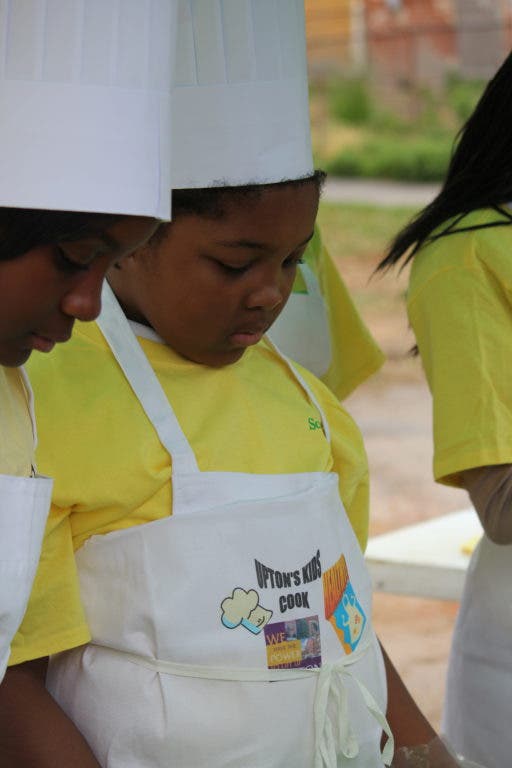
Some of the things FTS encourages is putting local products into school meals and to introduce food-related curriculum into the schools. They take the children on farm tours and bring in farmers and chefs to talk to the children. They also hold education sessions for parents and community members and arrange visits to local farmers’ markets.
The National Farm to School Network “aims to enable every child to have access to nutritious food while simultaneously benefiting communities and local farmers.” I saw an example of this recently at the Upton Edible Garden project (see my April 23, 2012 post called Power in Dirt!).
Find out what's happening in Glen Burniefor free with the latest updates from Patch.
In Maryland the FTS Program is named after the late Maryland Delegate Jane Lawton and was created in the 2008 legislative session. Here the program is sponsored by the Maryland Department of Agriculture and Department of Education.
According to http://www.mda.state.md.us/mdfarmtoschool/index.php: “In Maryland, over 70 million lunches and 24 million breakfasts are served in our public school systems annually. Approximately $17.9 million of federal funding from the National School Lunch Program is spent on fruits and vegetables for Maryland school lunches each year. What if 10% of this produce was purchase locally? It could be a sizeable economic benefit to the state. Farmers would have additional income, thereby strengthening the local economy and keeping land open and productive. Our children would receive the nutritional benefits of fresh, local products as well as the knowledge of why this matters. Also, the financial, environmental, and nutritional costs of transporting food would decrease. However, there are many factors that influence the school systems' ability to purchase local produce including: a limited growing season, limited quantities, pricing distribution issues, and customer acceptance. We're working hard to overcome some of these barriers.“
Find out what's happening in Glen Burniefor free with the latest updates from Patch.
I am thrilled that a group has just put in a garden at Park Elementary School in Brooklyn Park. It’s been nice to see different Anne Arundel County agencies, businesses and non-profit groups come together for this project. I’ve been asked to speak to the students a bit about gardening the SFG way.
Educators can use the curriculum created by the Square Foot Gardening Foundation to teach almost every subject around a SFG. Obviously math and science lends itself easily to gardening, but SFG can also be used in language arts, health, history and other classes. http://www.squarefootgardening.com/books/square-foot-gardening-lesson-plan-for-children/
The Park ES project will also include classes taught by the Department of Health which will include teaching children and their parents how to prepare healthy food fresh from the garden. Think about it, most children only know that their food comes from a can or the freezer and many parents aren’t really sure what to do with some of the fresh produce that will come out of the garden.
Maryland has the distinction of being the only state in which all of its county public school systems have participated in the program in some way and more than 30 different Maryland farms provided fresh produce to the schools. According to the MD FTS program, “It is true example of a successful federal, state, local and private collaboration that is working.”
My next SFG Classes will be in Glen Burnie on Saturday, May 19, 2012. SFG 101 10 AM – 12 PM and SFG 201 1 – 3 PM. Register online at www.sfg4u.com or email me at sfgkimroman@yahoo.com. Class size is limited to 10 people so register early. The last regular class of the season will be June 16th.