Health & Fitness
Trout Unlimited Restores Natural Habitat for Native Brookies
Trout Unlimited is one of the nation's largest conservation (and fish habitat restoration) organizations. Trout fisherman care about the environment in Havre de Grace.

Kevin Anderson from Trout Unlimited Talks About Restoration
Trout Unlimited members (www.tu.org) are used to getting into the water to fish; now with grants from National Fish and Wildlife Foundation (www.nfwf.org), they are creating better habitats for their coveted brook trout while also improving water quality.
TU is the largest cold-water conservation organization in the country with over 400 local chapters and 140,000 members. About a fifth of their members live in states within the Chesapeake Bay watershed.
Find out what's happening in Havre de Gracefor free with the latest updates from Patch.
One such member is Kevin Anderson, who is the Chesapeake Bay Land Protection Coordinator for TU in Arlington, Virginia.
Recently, Anderson talked about three NFWF supported projects, each of which restores habitat for brook trout and improves water quality in Chesapeake Bay tributaries: one in the Deer Creek watershed in Maryland; a second in the
Kettle Creek watershed, Pennsylvania; and a third in Seneca Creek in West Virginia.
Find out what's happening in Havre de Gracefor free with the latest updates from Patch.
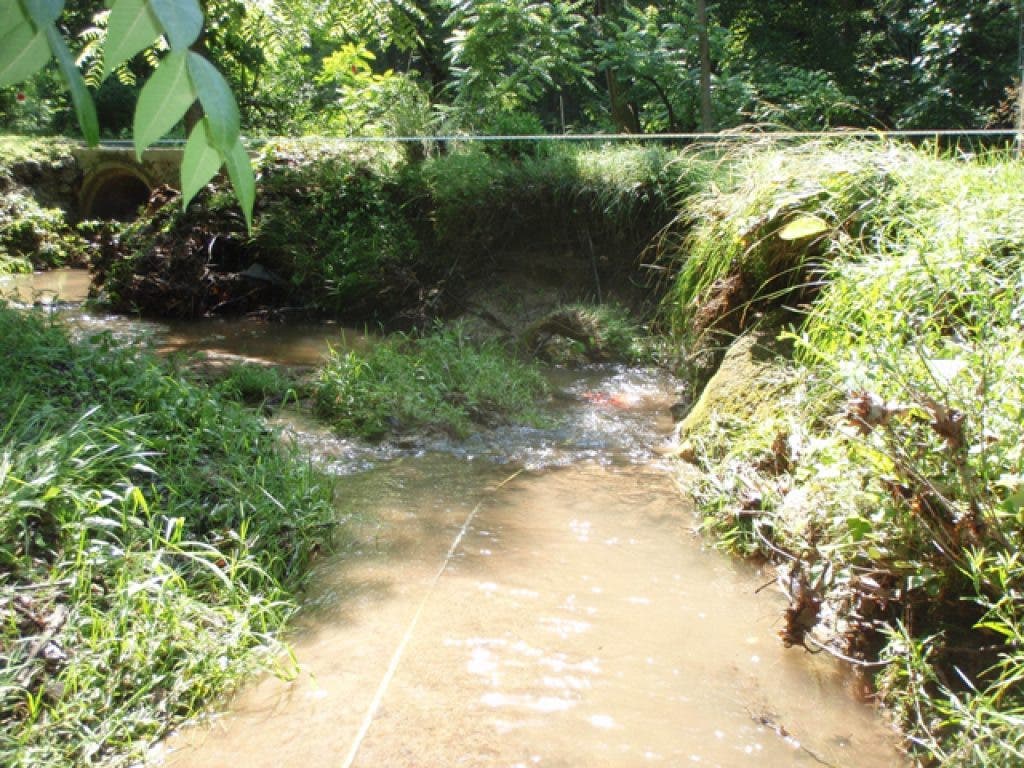
In tributaries to Deer Creek in the lower Susquehanna basin, TU is helping to implement a Watershed Restoration Action Strategy (WRAS) by stabilizing stream banks and restoring streamside forests and wetlands on rural lands.
These projects will enhance water quality and simultaneously improve
fish and wildlife habitat for sensitive species, including brook trout. The
project is set to include 1,805 linear feet of stabilized stream bank; 1,284
linear feet of livestock exclusion fencing; three acres of restored wetlands
and shallow water habitat; and two acres of restored riparian buffers.
TU will secure permission from the landowners to use some sites for demonstrations purposes; the Izaak Walton league owns one of the sites and are on board for helping.
The project will take place in Harford County in close cooperation with the Harford County Soil Conservation District. The county received a federal grant for the design of each conservation practice funding. NFWF matched funds to ensure these designs will be implemented.
Amanda Bassow, director of the NFWF program said, “Brook Trout habitat restoration is important to sportsmen and to the environment in the watershed. We are also working with TU and the Chesapeake Bay Foundation to improve water quality and brook trout as a target species. They are even using
geospatial information on habitat from space. What we are seeing teaming with
TU is restored buffers and reduced sediment.”
“It is pretty straightforward,” said Anderson, “TU is will construct eight streambank and wetland restoration practices. We want to implement the Deer Creek WRAS and eliminate the WHIP [wildlife habitat incentive program] backlog.”