Crime & Safety
Harford County School System Passes on SHCO's Offer for Free Carbon Monoxide Detectors
Susquehanna Hose Company Chief Scott Hurst offered to install detectors in Havre de Grace schools at no cost to the Harford County Public Schools system.


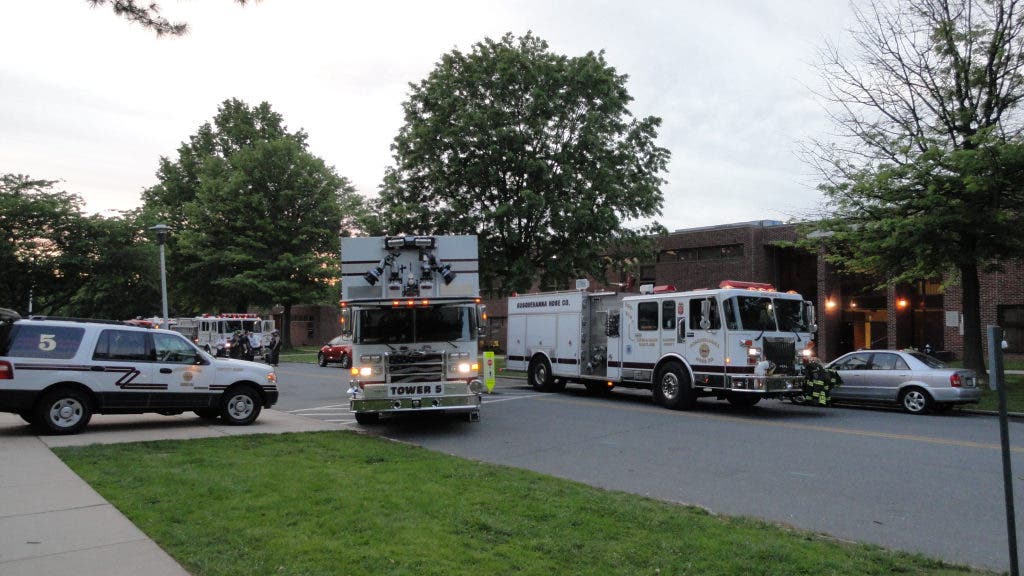
The Harford County Public Schools system has rejected an offer from the Susquehanna Hose Company to install carbon monoxide detectors in the four public schools in Havre de Grace, fire company officials said.
Susquehanna Hose Company Chief Scott Hurst was the primary driving force behind that mandated the installation of carbon monoxide detectors in Havre de Grace homes that burn fossil fuels. Schools were not included in the .
Hurst said the Harford County Board of Education denied his offer to donate “two or three” detectors at and elementary schools and , as well as up to eight detectors for the two buildings that make up .
Find out what's happening in Havre de Gracefor free with the latest updates from Patch.
The Susquehanna Hose Company responded to four and one each at Havre de Grace Elementary School's kindergarten building and .
“Based upon last year’s tragic [carbon monoxide-related] incidents throughout the state, there were schools throughout the state that had carbon monoxide leaks. The most dangerous thing about these leaks in schools, it's not one child sick or injured, its 10, 20, 30, 40,” Hurst said. “We have an excess of detectors. My goal was to get them into daycares and schools.”
Find out what's happening in Havre de Gracefor free with the latest updates from Patch.
Hurst began his efforts with the schools system in April, sending an email dated April 15 to Cornell Brown, assistant superintendent of operations for Harford County Public Schools, outlining the gas-related incidents the Susquehanna Hose Company responded to during the 2010-2011 school year.
Hurst received an email Thursday indicating that Brown and Joe Licata, the school system’s chief of administration, expressed no interest in moving forward with the matter.
Calls and emails left with Teri Kranefeld, manager of communications for Harford County Public Schools, and Lindsay Bilodeau, communications specialist with the school system, were not returned Thursday.
On Friday afternoon, Bilodeau wrote in an email to Patch that Licata and Brown were unavailable for comment until Monday.
Hurst told Patch Thursday that the school system “has no interest at all in working with me.” But as of Friday afternoon, there was a chance the Board of Education would reconsider Hurst’s offer on Tuesday.
Mayor Wayne Dougherty reached out to a member of the Board of Education, who said Hurst could expect a phone call on Tuesday when Brown and Licata were expected to return to the school offices. Dougherty called his conversation with the board member “very positive.”
“She assured me that she would make some contacts for me and that she would get back to me. Ten minutes later she called me back and said two gentlemen from the school system would be contacting Chief Hurst on Tuesday. They’ll be out of the office, returning Tuesday morning,” Dougherty said.
“She had a total understanding,” Dougherty continued. “She felt really bad on behalf of the school board that Chief Hurst was not even given a courtesy of a return call.”
Hurst said due to the high school’s age, carbon monoxide detectors should be installed.
“My daughter is going to be going to those schools for the next 15 years, and everybody else, and they're not going to be equipped,” Hurst said.
Hurst said new detectors cost $17, and that the Susquehanna Hose Company has an abundance of them. Hurst is willing to donate detectors to the local schools at no cost to the school system.
“They are primed to have a carbon monoxide incident in schools,” Hurst said. “As places are older, the older buildings is where we find these carbon monoxide leaks.”
Hurst said the cost to the school board is simply replacement every five to seven years.
“Their only upkeep is batteries,” Hurst said. "Replacing them every year or six months.”
After that, replacements should be installed every five to seven years.
“I think within five to seven years, they’ll be mandatory in schools anyway,” Hurst said.
Get more local news delivered straight to your inbox. Sign up for free Patch newsletters and alerts.