We all know that April showers bring May flowers, but those showers can also bring the threat of severe and heavy flooding. According to FEMA, floods are the second-most common and widespread of all natural disasters, affecting homeowners in all 50 states year-round – often following winter snow thaws, spring rains or heavy thunderstorms.
March 12-16 marks National Flood Awareness Week, a time for all homeowners and communities to ensure that they are properly prepared for flooding.
Find out what's happening in Hunt Valley-Cockeysvillefor free with the latest updates from Patch.
Here are some of the top tips to ensure you and your family are prepared in the case of a flood:
Find out what's happening in Hunt Valley-Cockeysvillefor free with the latest updates from Patch.
- Develop a family emergency plan. Plan and practice a flood evacuation route with your family. Know safe routes from home, work and school that are on higher ground.
- Build an emergency kit with basic disaster supplies including:
- First aid kit
- Bottled drinking water
- Non-perishable food items and manual can opener
- Battery-powered or hand-crank radio
- Flashlight and extra batteries
- Waterproof/water-resistant clothing such as rubber boots
- Safeguard your possessions. Create a personal flood file containing information about all your possessions and keep it in a secure place, such as a safe deposit box or waterproof container.
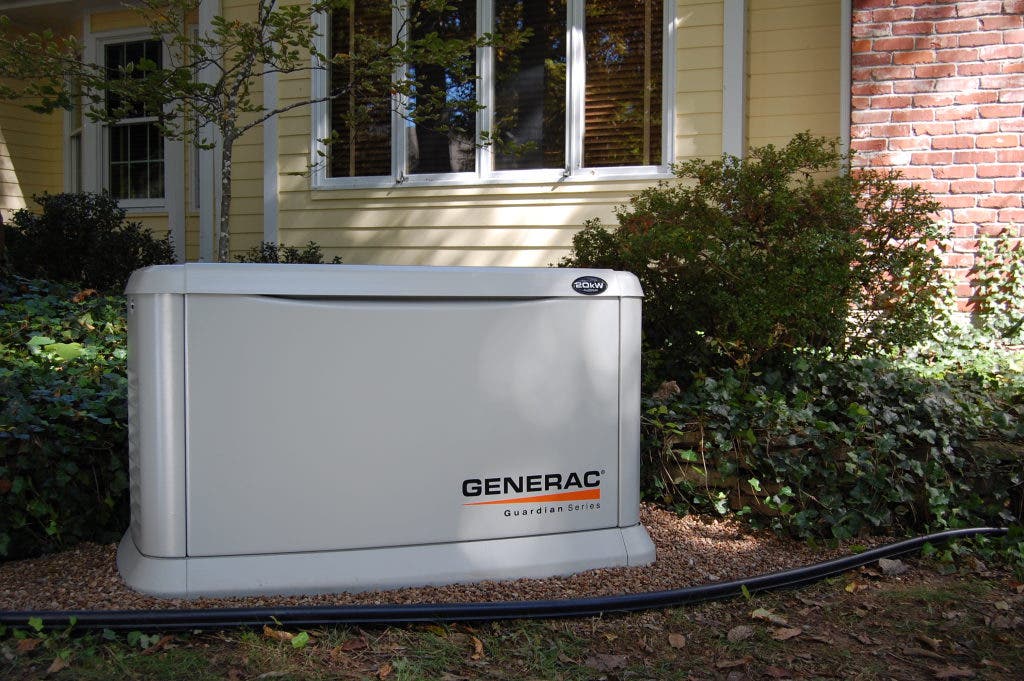
- Purchase a portable or standby generator to power your home in the case of flood-related power outages. A back-up source of power like Generac’s Guardian Series can fuel essential home appliances such as a sump pump, refrigerator and furnace, reducing the risk of damage to your home and belongings. You can learn more about standby and emergency power solutions at www.generac.com.
- Prepare your home in advance by anchoring fuel tanks, clearing debris from gutters and downspouts, and placing the furnace, water heater, washer and dryer on cement blocks at least 12 inches above the projected flood elevation.
- In the event of a flood, make your way to higher ground as soon as possible, avoiding areas where the water level has already started to rise. Never attempt to drive through a flooded roadway.
While no one can completely reduce their risk of being affected by flooding or a flood-related power outage, we can all take steps to ensure that our homes and families are prepared for a flood-related emergency.