Community Corner
How to Prevent and Deal With Frozen Pipes
With Maryland under a wind chill warning, it's a good time to take steps to prevent water pipes from freezing and cracking.


By Natalie Davis
With the National Weather Service predicting wind chills as low as -5 to -15 degrees overnight and Tuesday, it's time to take steps to keep water pipes from freezing. Frozen water pipes in unheated basements and crawl spaces homes can be messy and expensive to fix.
Here is more information from the American Red Cross:
Why Frozen Pipes Are a Problem
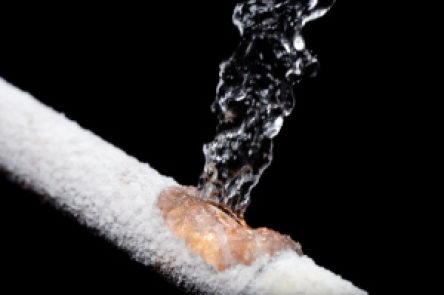
Water expands as it freezes. This expansion puts extreme pressure on whatever is containing it, including metal or plastic pipes. Pipes that freeze most frequently are those that are exposed to severe cold, like outdoor water faucets, swimming pool supply lines, water sprinkler lines, and water supply pipes in unheated interior areas like basements and crawl spaces, attics, garages, or kitchen cabinets. Also, pipes that run against exterior walls that have little or no insulation are also subject to freezing.
A 1/8-inch crack in a pipe can leak up to 250 gallons of water a day, causing flooding, serious structural damage, and the immediate potential for mold.
In the U.S., frozen pipes cause significant damage every year, but they often can be prevented. Taking a few simple steps, even now, may save you the aggravation and expense.
Prevention
There are three common causes of frozen pipes:
1. Quick drops in temperature
2. Poor insulation, and
3. Thermostats set too low.
There are a number of preventative steps you can take to keep your pipes from freezing:
- Check the insulation of pipes in your home's crawl spaces and attic. Exposed pipes are most susceptible to freezing.
- Heat tape or thermostatically controlled heat cables can be used to wrap pipes. Be sure to use products approved by an independent testing organization, such as Underwriters Laboratories Inc., and only for the use intended (exterior or interior). Closely follow all manufacturers' installation and operation instructions.
- Seal leaks that allow cold air inside near where pipes are located. Look for air leaks around electrical wiring, dryer vents, and pipes, and use caulk or insulation to keep the cold out. With severe cold, even a tiny opening can let in enough cold air to cause a pipe to freeze.
- Use an indoor valve to shut off and drain water from pipes leading to outside faucets. This reduces the chance of freezing in the short span of pipe just inside the house.
- A trickle of hot and cold water might be all it takes to keep your pipes from freezing. Let warm water drip overnight, preferably from a faucet on an outside wall.
- Keep your thermostat set at the same temperature during both day and night. You might be in the habit of turning down the heat when you’re asleep, but further drops in the temperature – more common overnight – could catch you off guard and freeze your pipes.
- Open cabinet doors to allow heat to get to un-insulated pipes under sinks and appliances near exterior walls.
If Your Pipes Do Freeze...
Don’t panic. Just because they’re frozen doesn’t mean they’ve already burst. Here’s what you can do:
• If you turn on your faucets and nothing comes out, leave the faucets turned on and call a plumber.
• If your house or basement is flooding, turn off the water valve and immediately call 911.
• Do not touch or use electrical appliances in areas of standing water due to electrocution concerns.
• Never try to thaw a pipe with a torch or other open flame because it could cause a fire hazard. Every year, many building fires are caused by people trying to thaw frozen pipes. All open flames in homes present a serious fire danger, as well as a severe risk of exposure to lethal carbon monoxide.
• You may be able to thaw a frozen pipe with the warm air from a hair dryer. Start by warming the pipe as close to the faucet as possible, working toward the coldest section of pipe.
• Again, if your water pipes have already burst, turn off the water at the main shutoff valve in the house; leave the water faucets turned on and call 911. Make sure everyone in your family knows where the water shutoff valve is and how to open and close it. Likely places for the water turn-off valve include internal pipes running against exterior walls or where water service enters a home through the foundation.
• If you will be going away during cold weather, leave the heat set to a temperature no lower than 55ºF.
For additional information, visit the Red Cross website.
This article contains additional reporting by Elizabeth Alterman and Leslie Yager.
Get more local news delivered straight to your inbox. Sign up for free Patch newsletters and alerts.