Health & Fitness
Poison Ivy: Avoid Shiny Leaves in Threes
The basics on plant identification, and symptoms and treatment for allergic reactions to poison ivy.

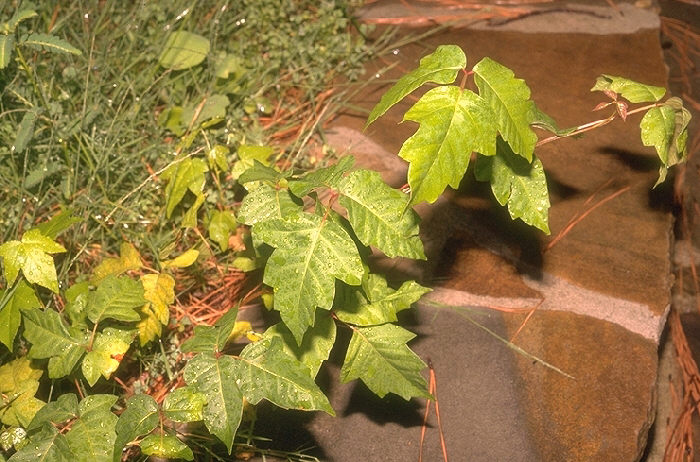
First the persistent itching begins and you notice the red bumps. Then the blisters appear, maybe even oozing pus. It’s your skin’s allergic reaction to the oily resin known as urushiol in the poison ivy (Toxicodendron radicans) plant. And it can be so uncomfortable that some sufferers wind up sleep-deprived and distracted for days.
The plant, common in Maryland, is characterized by green leaves (often shiny) that grow in sets of threes. The leaves can sprout from hairy ropelike vines that often creep up trees, or in a shrub, and may have smooth or toothed edges.
The only way to get poison ivy is for the skin to come in contact with the resin from the plant. This can happen by touching the plant directly or by coming in contact with clothing or other surfaces that have urushiol on them (such as your shoes after walking in poison ivy). Many people also have reactions from inhaling the smoke if the plant is burned, which can irritate lungs and nasal passages. You cannot get poison ivy from touching another person’s rash (including the fluid in blisters) unless the plant’s oil hasn’t been thoroughly washed off.
Find out what's happening in Hunt Valley-Cockeysvillefor free with the latest updates from Patch.
Prevention
When you’re in woodsy areas, wear clothing that covers as much skin as possible. If you suspect your clothes have come in contact with poison ivy, wash garments in detergent and hot water. If you think your skin has touched the plant, wash the area in cool water as soon as possible to remove the oil and reduce spread. Bathe pets after being outdoors. Cats and dogs do not typically have allergic reactions to poison ivy, but urushiol can remain on their coats and get passed to humans.
Find out what's happening in Hunt Valley-Cockeysvillefor free with the latest updates from Patch.
Try not to scratch! Bacteria under your fingernails can cause an infection at the rash site.
Treatment
· Calamine lotion
· Hydrocortisone cream
· Antihistamines
· Oatmeal bath
· More severe cases may require a prescription for a corticosteroid, such as prednisone
Many cases of poison ivy can be treated at home; however, you should seek medical attention if your case includes:
· Severe or widespread reaction
· Fever higher than 100° F
· Pus oozing from blisters
· Rash on your face or genitals
· Rash that doesn’t improve after a few days
Be well!