Health & Fitness
Everyday Heroes: From Addiction to Assistance
Everyday Heroes: From Addiction to Assistance.
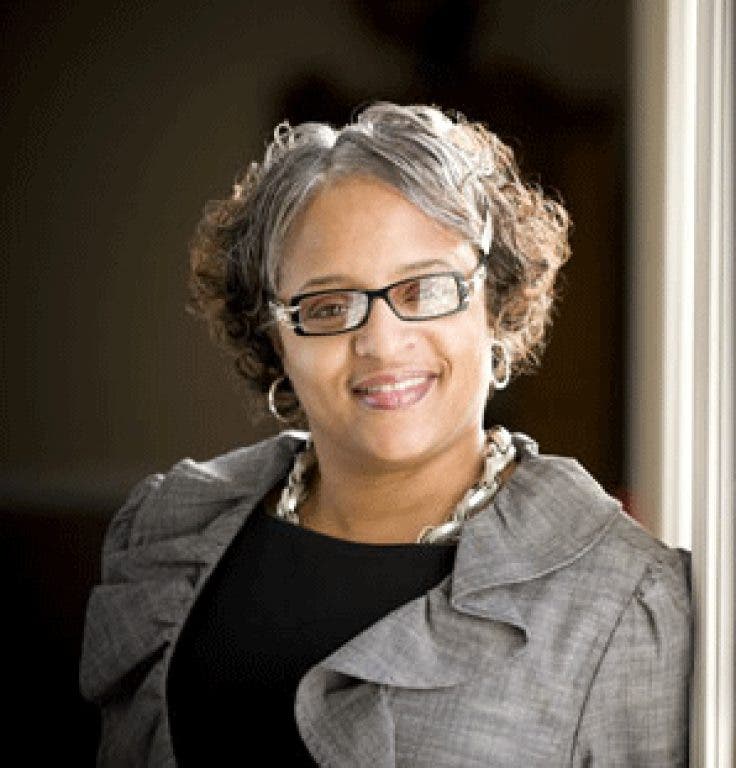

Spend time talking with Monica Scott and you are likely to leave the conversation feeling inspired.
It’s not so much that Ms. Scott devotes a considerable amount of time to helping adults find treatment for substance abuse as an outreach counselor for Baltimore Substance Abuse Systems. Or the fact that Ms. Scott looks past the drug abuse to see men and women who deserve help in order to break their own addictions.
It’s the fact that Ms. Scott has walked in their shoes.
Find out what's happening in North Baltimorefor free with the latest updates from Patch.
Through faith, caring friends and treatment she found the strength to turn her life around and now serves as a beacon of light to those suffering from addiction.
“I understand how hard it is to ask for help,” said Ms. Scott, 43, who lives in Reservoir Hill. “Seeing the desperation on some people’s faces who might not have the ability to ask for help is what drives me. Someone cared about me and now I have the ability to help people.”
Find out what's happening in North Baltimorefor free with the latest updates from Patch.
Ms. Scott, who said that she abused drugs most of her adult life, has been in recovery seven years. She said her journey began when she sought treatment at Marian House, a nonprofit organization in Better Waverly that offers rehabilitative services and housing to women and their children.
She values Marian House because the staff looked “at us as humans first and drug addicts second. They really care about you as a person and they really care about what happens to you. They want to be a part of your life and it was really fulfilling.”
To help celebrate its 30th anniversary, Marian House recently unveiled “30 Women, 30 Stories,” a new book that chronicles 30 Marian House alumnae “who fought to overcome barriers and achieve recovery and independence through the program.” Ms. Scott is one of those women.
The project was made possible by grants from the Open Society Institute-Baltimore, the TKF Foundation, and the David and Barbara B. Hirschhorn Foundation.
Last winter, OSI-Baltimore Director Diana Morris spoke to members of the incoming Baltimore City Council about the importance of programs like those at Marian House and about why it's in the public's interest to support such private ventures.
The City, Morris said, would do well to work in partnership with nonprofits and foundations to create policies for change. For example, she said, as health care reform is rolled out in Baltimore, we should ensure that addiction treatment services are a key part of that effort. And we can go a long way toward helping people like Ms. Scott by not discriminating against job applicants who are in recovery or have been a part of the criminal justice system.
"Together, we can be catalysts for change," Morris said.
Says Katie Allston, Marian House Executive Director: "These stories make abundantly clear that those often erroneously labeled as morally weak are in fact capable of being fully responsible and engaged citizens. If we invest more sensibly in supporting women who are striving to restore their shattered lives, we all benefit when they succeed."
Ms. Scott said that she still has her ups and downs. But being able to help people with their addictions makes her efforts worthwhile.
“I’ve had several people stop me on the street and tell me that they want the life that I now have. And I tell them that if they’re willing to work hard, they will be successful too.”