Health & Fitness
Johns Hopkins University Receives Close to $400,000 Cancer Grant
from Pfizer and the American Cancer Society to Reduce Disparities Among Black Women with Gyn Cancer



The American Cancer Society and Pfizer have approved grants totaling more than $3 million in ten communities focused on reducing racial disparities and helping optimize cancer outcomes for Black men and women, including the Johns Hopkins University School of Medicine in Baltimore, which was awarded a two-year project grant of $399,924. The goal is to address systemic race-related barriers and disparities in the delivery of care that impact outcomes across all cancer types.
The grants, funded by Pfizer Global Medical Grants and overseen by the American Cancer Society, are part of the Addressing Racial Disparities in Cancer Care Competitive Grant Program, a three-year collaboration working to promote equity in cancer outcomes for Black men and women. Cancer is a disease that affects everyone, but it doesn’t affect everyone equally. Blacks experience more illness, worse outcomes, and premature death compared to whites in the United States. Further, Black men and women have the highest death rate and shortest survival of any racial/ethnic group in the United States for most cancers. Black men also have the highest cancer incidence.
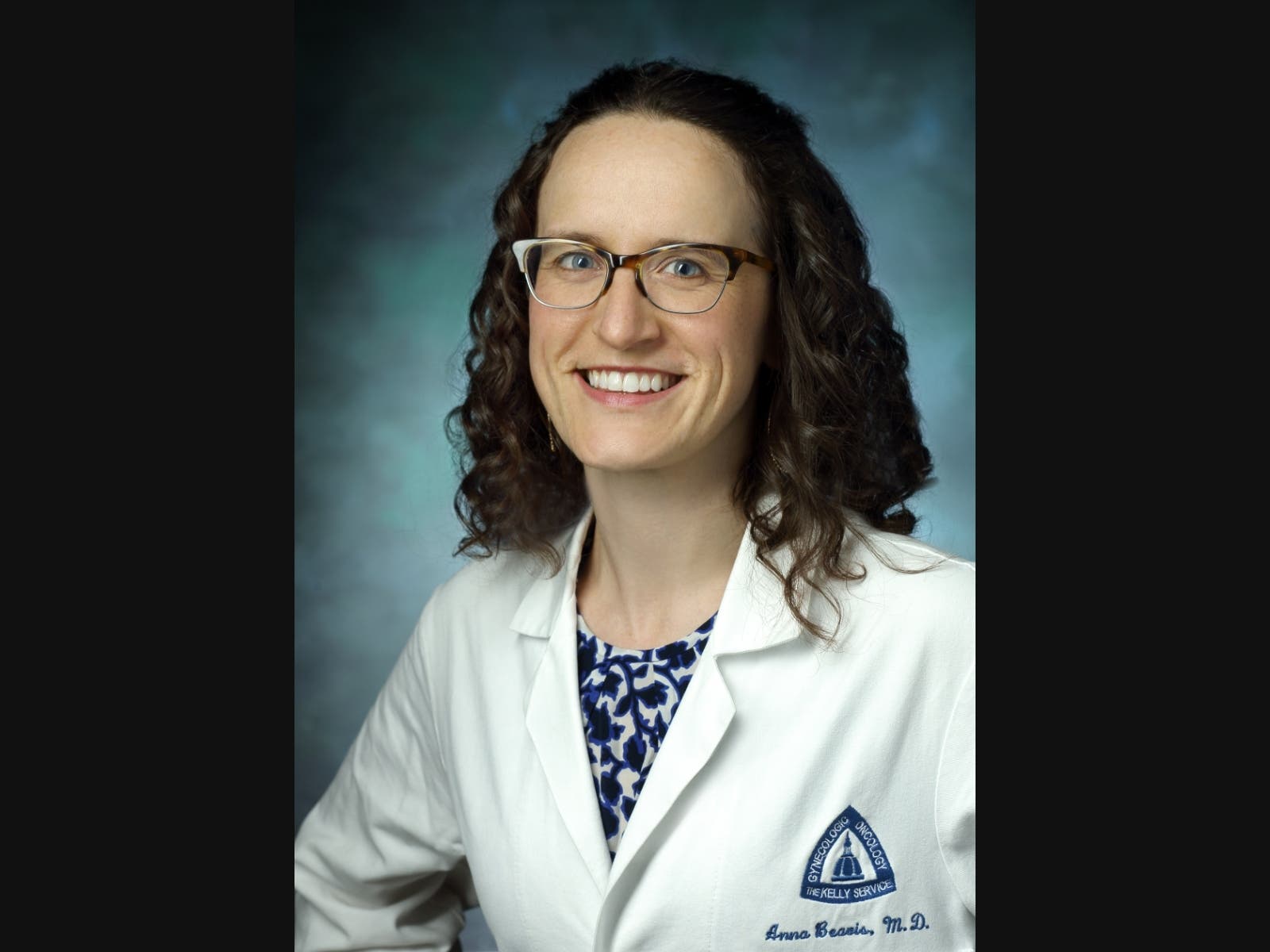
Anna Beavis, M.D., M.P.H., assistant professor of gynecology and obstetrics, division of gynecologic cancers, at the Johns Hopkins University School of Medicine and co-principal investigator on the grant, said the funded project demonstrates Johns Hopkins’ continued commitment and dedication to addressing and optimizing health and health care of minority groups. The grant will allow Beavis and her team including co-principal investigator, Anne Rositch, M.S.P.H., Ph.D., associate professor at the Johns Hopkins Bloomberg School of Public Health, and Stephanie Wethington, M.D., M.Sc., assistant professor in the division of gynecologic cancers, division of gynecologic oncology at the Johns Hopkins University School of Medicine, to develop a scalable and ultimately sustainable way to identify and address the social determinants of health in women with gynecologic cancers. The project expands on a pilot program they started in 2017 in collaboration with Hopkins Community Connection (formerly Health Leads) to identify and address challenges that disproportionately affect Black patients, such as access to basic needs like food, housing and transportation, which have been exacerbated by the disparate effect of the pandemic on the Black community. The team hopes that this project may be more widely applied in the future and that it will lead to more equitable outcomes for all women treated for gynecologic cancers.
Find out what's happening in North Baltimorefor free with the latest updates from Patch.
Many factors significantly impact a person's ability to prevent, find, treat, and survive cancer. Factors like a person's income, education, their race, ethnicity, sexual orientation, gender
identity, their disability status, or where they live, work, and play can affect the choices a person makes, but more importantly can affect a person's opportunity to be as healthy as possible.
Find out what's happening in North Baltimorefor free with the latest updates from Patch.
In a highly competitive process, each applicant was asked to provide local solutions to local problems across the cancer continuum. The awardees will pursue a variety of efforts, from cancer screening to support in cancer survivorship, for Black men and women that could otherwise go unserved.