Neighbor News
Report: Maryland Teachers See Hunger in Schools Daily
'Hunger in Our Schools' report showcases childhood hunger from the perspective of Maryland educators
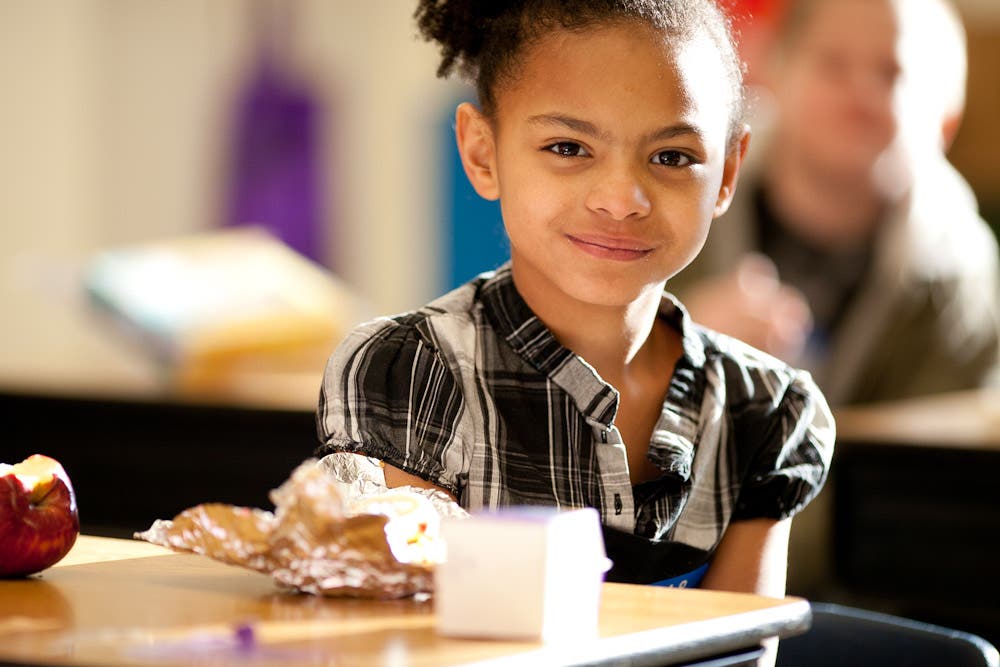

In a national report released this month, Maryland-based educators are revealing the effects that hunger and poverty have on kids, and what they see as the solution. “These are children whose basic needs aren’t being provided for. They’ve labeled them as having learning defects or behavior problems, but it could just be that they’re hungry,” noted Fifth-Grade Maryland Teacher Roney Wynn.
Maryland teachers and educators played an integral role in the 2015 Hunger in Our Schools report, based on a survey of more than 1,000 educators. The report released by Share Our Strength’s No Kid Hungry campaign provides first-hand testimonials and observations on the impact programs such as Breakfast After the Bell have on their children.
According to the report, 76% of educators say they regularly see students who are struggling with hunger and attest to the problems that causes. In Baltimore alone, 1 in 5 kids struggle with hunger and are unlikely to get a healthy morning meal at home. Many educators say that traditional school breakfast – served in the cafeteria, early in the morning before the bell rings – isn’t always effective.
Find out what's happening in North Baltimorefor free with the latest updates from Patch.
But, many see a solution that works: breakfast served as part of the regular school day. For classroom teachers, students who are well-fed are able to focus, function and achieve academic success.
“Nearly 85% of Baltimore’s students are considered low income and qualify for free or reduced meals. That’s well above the state’s average,” said David Sloan, director of the Maryland No Kid Hungry campaign. “Baltimore schools who expand breakfast programs through methods like Breakfast after the Bell can ensure these kids start the day with the healthy breakfast that’s critical for their academic success.”
Find out what's happening in North Baltimorefor free with the latest updates from Patch.
No Kid Hungry has placed $250,000 in potential funding on the table to support Baltimore schools in making the switch to alternative breakfast models. David Sloan, an experienced state official and community organizer, was brought on as director of the Maryland campaign this month to support the effort.
75% of educators whose students eat breakfast in the classroom report that it makes a difference: students are more alert in class, exhibit less disciplinary problems and have better attendance. In addition, breakfast programs can foster a sense of classroom community and lessen the social stigma often faced by children from low-income families.
Deborah Hall, special education teacher, speaking of a particular student said that she, “could tell the difference in his grades when he wasn’t getting breakfast. When he got breakfast, his behavior changed. He didn’t have any breakfast at home. His mom wasn’t providing it, couldn’t provide it. It was so hard. My heart went out to him.”
Last month, news broke that for the first time, more than half of American public school students come from low-income families. School breakfast is a critical resource for these kids, but one that too few of them are taking advantage of. While nearly 21 million students in the United States eat free or reduced-price lunch, only half of them (11.2 million) are getting the school breakfast they also qualify for.
“This is the first year we’ve had a free breakfast program for all students,” said Margot Shaver, a first-grade teacher. “Not only are we feeding their physical needs, we’re feeding their emotional needs. The light turns on; they’re able to function in the classroom.”
The Hunger in Our Schools report released in March by No Kid Hungry takes an in-depth look at the impact of childhood hunger through the eyes of teachers, principals, guidance counselors, bus drivers and more. The full report can be read at HungerInOurSchools.org. For more information on how breakfast can impact a child’s life, visit NoKidHungry.org/breakfast.
The Hunger In Our Schools report is presented by C&S Wholesale Grocers and sponsored by the Sprouts Healthy Communities Foundation. No Kid Hungry’s ongoing work to increase school breakfast participation is generously supported by national sponsors Citi, Kellogg Company Fund and Tyson Foods.
About NO KID HUNGRY
No child should go hungry in America, but 1 in 5 kids will face hunger this year. Using proven, practical solutions, No Kid Hungry is ending childhood hunger today by ensuring that kids start the day with a nutritious breakfast and families learn the skills they need to shop and cook on a budget. When we all work together, we can make sure kids get the healthy food they need. No Kid Hungry is a campaign of national anti-hunger organization Share Our Strength. Join us at NoKidHungry.org.