Arts & Entertainment
A Thanksgiving How-To: Sending Your Fears to the Birds, Part II
Part two of our Thanksgiving how-to, where we help you handle the stresses and expectations of the big dinner.
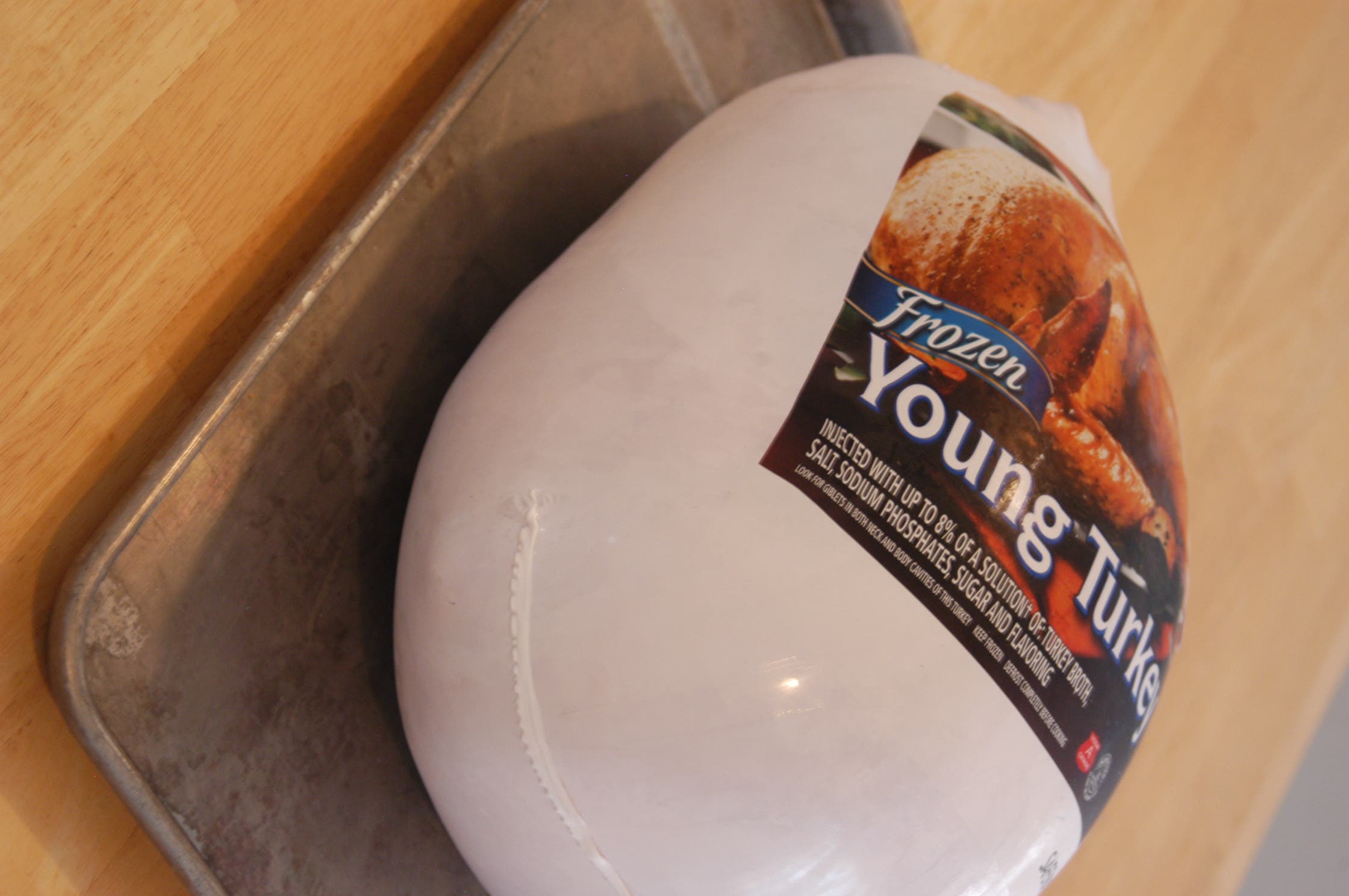


Now that your turkey is thawed
Before handling your turkey, get a roasting pan ready (make sure it has a roasting rack inside to lift the turkey out of the juices while cooking), pour about ½ cup of oil into a bowl and keep nearby. Open the spices need to season the bird with and also pour them into a bowl. Have plenty of paper towels nearby.
Place the turkey on a non-porous surface, one that is easy to clean and doesn't trap in the bacteria (I recommend using a clean cookie sheet).
Find out what's happening in Odenton-Severnfor free with the latest updates from Patch.
Pat the turkey dry with paper towels inside and out.
Dip your hands in the bowl of oil and run all over the turkey inside and out. This will make for a golden brown skin and add to the flavor of your gravy. Once the turkey has been oiled, (throw out any leftover oil) add the spices. I like to use poultry seasoning or sage, rosemary and salt and pepper.
Find out what's happening in Odenton-Severnfor free with the latest updates from Patch.
Place turkey breast side up in the roasting pan.
Stuffing the turkey
I'm not a fan of a 'stuffed' bird. But if you are, here's what to do to have a safe meal.
Combine stuffing ingredients just before roasting the turkey. This prevents bacteria from getting on the stuffing. Stuff the bird just before you roast it. Start with the neck, filling it lightly. Then stuff the main cavity, being careful not to overstuff. Place the legs in a tucked position and put the turkey breast side up in the roasting pan.
Roasting the turkey
This is perhaps the part that brings fear to most of us, the actual cooking. Fears of the turkey not being done on time, or worse, overdone can cause extreme stress for a hostess. However, follow these simple guidelines and your turkey will turn out.
I consulted Betty Crocker for roasting times.
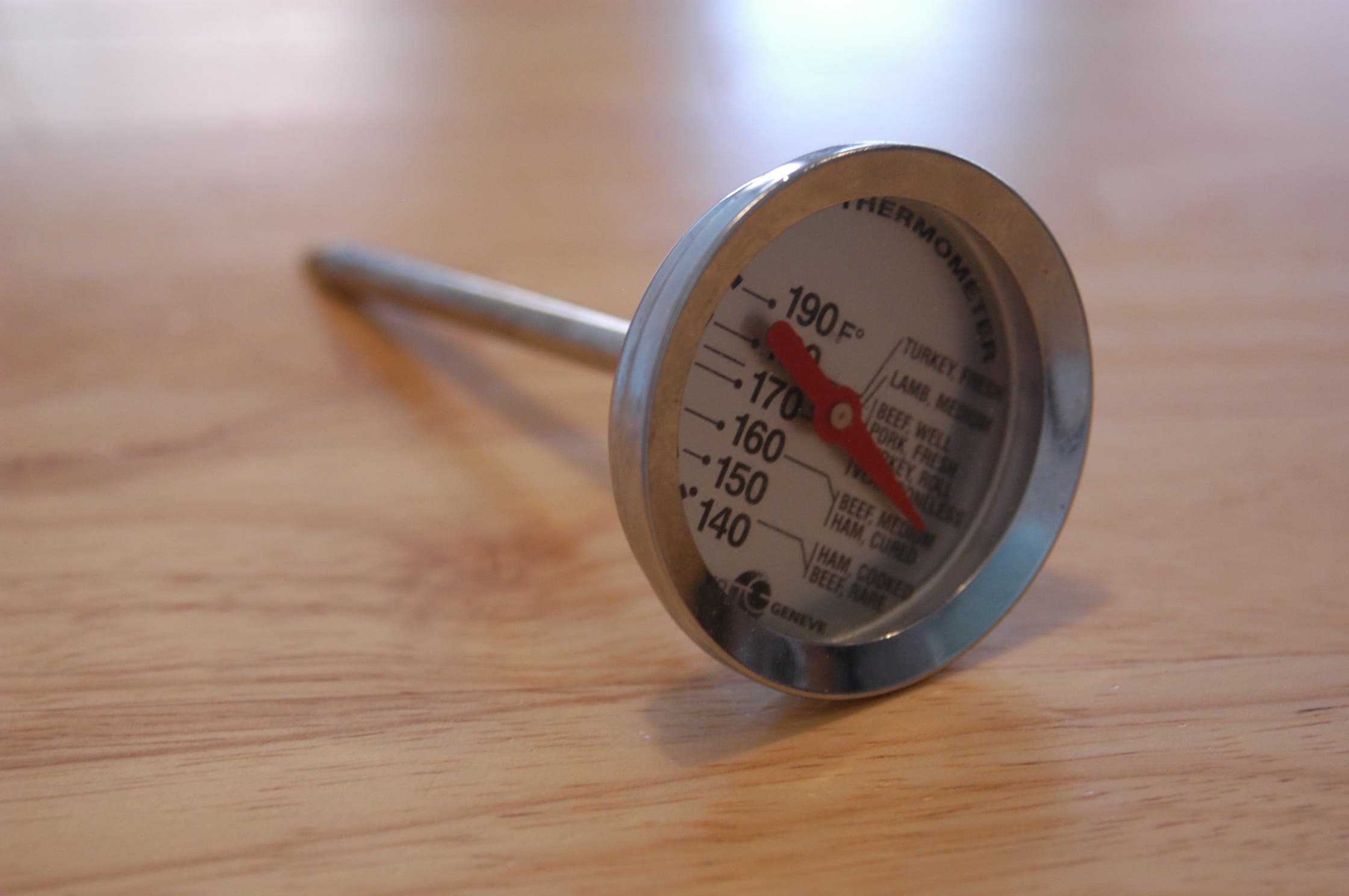
Buy a meat thermometer! Very, very important! Roasting times may vary from recipe to recipe, so a meat thermometer is the best way to tell if your bird is done.
For a whole turkey (not stuffed) Betty Crocker recommends roasting your turkey in a 325 degree oven. For an 8-12 pound turkey roast it for 2 ¾ to 3 hours. If your turkey is 12-14 pounds roast it for 3 to 3 ¾ hours. A 14-18 pound turkey should roast for 3 ¾ to 4 ¼ hours. An 18-20 pounder needs to roast for 4 ¼ to 4 ½ hours. And finally, a 20-24 pound tom needs to roast for 4 ½ to 5 hours. Follow this time table when preparing the rest of your meal. Especially when determining when the feast begins.
Check for doneness about an hour before the end of the recommended roasting time. Your turkey is done when your meat thermometer reads 180 degrees at the thigh, and about 170 degrees in the breast.
If you stuffed your turkey, Betty Crocker recommends a 325 degree oven and the following time table:
-An 8-12 pound turkey for 3 to 3 ½ hours.
-A 12-14 pound turkey 3 ½ to 4 hours.
-A 14-18 pound bird 4 to 4 ¼ hours.
-An 18-20 pounder 4 ¼ to 4 ¾ hours and finally a 20-24 pound bird 4 ¾ to 5 ¼ hours.
Check with a meat thermometer. The thigh and breast readings will be the same as an unstuffed turkey. The stuffing should read 165 degrees.
When your turkey is done, move it breast side up to a carving board or platter and let it stand with a loose fitting sheet of tin foil over it for about 15-20 minutes. This rest time will aid in carving later.
Phew! That's it!
All it takes is a little courage, preparation and instruction and you can do it. Just think, once you get this year under your belt, you can experiment with your recipe for next year.