Health & Fitness
Who’s Got Something Against Grass?
Alternatives to grass and lawns that can help conserve habitat.
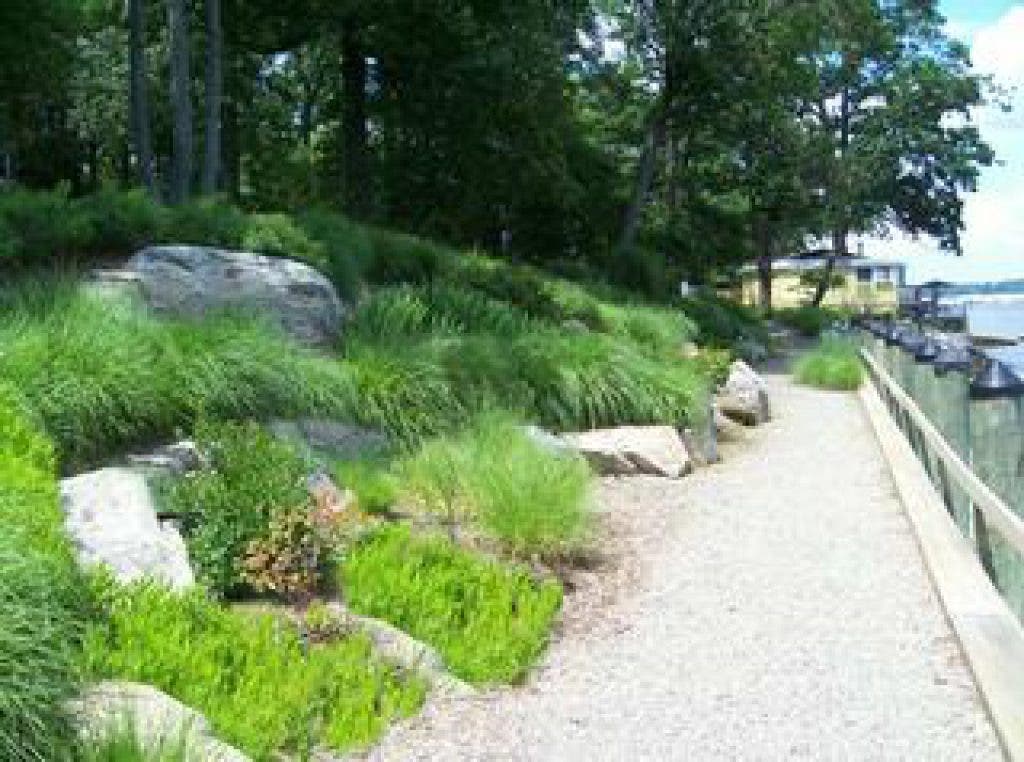

I can do without the grass! Have you ever been driving down route 175 to encounter those men with the orange masks and weed whackers turned on full throttle when you suddenly realize you need to roll up the windows and reach for a Claritin? Do you suffer the same fate when driving down route 32 and someone has decided it is time to pull out those giant orange tractors and cut the grass in the median?
Well, why do we plant it? Why is it there? It’s not a native species, which will offer habitat and refuge for native wildlife. It may in fact, anchor the substrate and reduce run-off on newly broken ground as a result of construction but, is it worth the amount of resources needed to maintain it?
Lawns used to be a status symbol. It was quite a luxury to have a rich, lavish lawn to show off and entertain upon. Now, what was once a hobby has become the norm. Ironically, most people don’t even enjoy spending their Saturdays maintaining a lawn. We now know that the fertilizer needed to keep it so lush and beautiful hurts our streams. The run-off from lawns washes into the waterways and overwhelm aquatic ecosystems with an over abundance of nutrients. The gas and oil needed to cut and maintain the manicured look is unnecessary and detrimental to the environment. The government pays a lot of people to cut grass. The grass that is thrown away unnecessarily fills up the landfills. And, the process continues all summer long. Plant, fertilize, mow and through away.
Find out what's happening in Odenton-Severnfor free with the latest updates from Patch.
Much of the grass pollen in urban areas comes directly from lawns that are not kept regularly mowed. Yet, grass allergy is one of the most common and prevalent forms of allergy but we keep planting more and more of it. Not to mention how much hard work goes into maintaining a beautiful lawn. This is probably how it became a status symbol, defined by the work and/or money necessary to maintain a healthy, weed free lawn.
A beautiful, well-kept lawn is still something to be admired. But, do we need grass everywhere? Maybe we can at least mimic what we destroyed for our progress. Imagine a neighborhood destined to be built in the middle of a meadow. Many species of animals would perish from the area due to a loss of habitat. We can preserve the habitat. There are thousands of intelligent men and women graduating from college every year with degrees in life sciences, landscape architecture, wildlife management, natural resource management and ecology. I think we have the man power to develop ways to progress without crushing down the world around us and all of its magnificent biodiversity.
Find out what's happening in Odenton-Severnfor free with the latest updates from Patch.
This doesn’t mean we should not build in that meadow but maybe landscape it with wildflowers, prairie grasses, clover, orchids and daisies instead of lawns. And if we must build on a flood plain, let’s think of ways to build above the water level instead of trying to stop the natural flow of water which took thousands of years to choose its course.
Could you imagine your neighborhood built in the middle of a forest with yours and your neighbors’ yards being landscaped with understory plants the live well in the shade of the mature trees left standing along the streets and throughout the neighborhood. Almost as if you lived in the forest without individual yards. Plants like hostas, laurels, redbuds and dogwoods would give a beautiful and natural look. Have you seen the fields of Black-eyed Susans on the B/W Parkway? It’s almost as if someone has finally started to give it some thought.
We have alternatives. Native plants can thrive with little or no maintenance. They can be used by native species of animals for many uses. And, they can be beautiful, too! It’s time to think outside of the box. Just because it has been done before doesn’t mean we should do it anymore. I think it would save many resources if the grass that has been planted on the side of the roadways and blanketing neighborhoods were replaced with beneficial and native species of plants. Yes, the initial cost may be more but the long term rewards would certainly be worth the effort. It’s our Earth, our home, our Severn! Let’s give it some thought. Maybe we can make a difference!