Business & Tech
Considering Personal Bankruptcy? Beware Your Homeowners Association
Obscure section of 2005 law allows homeowner associations to collect monthly fees, despite the protections of personal bankruptcy law.
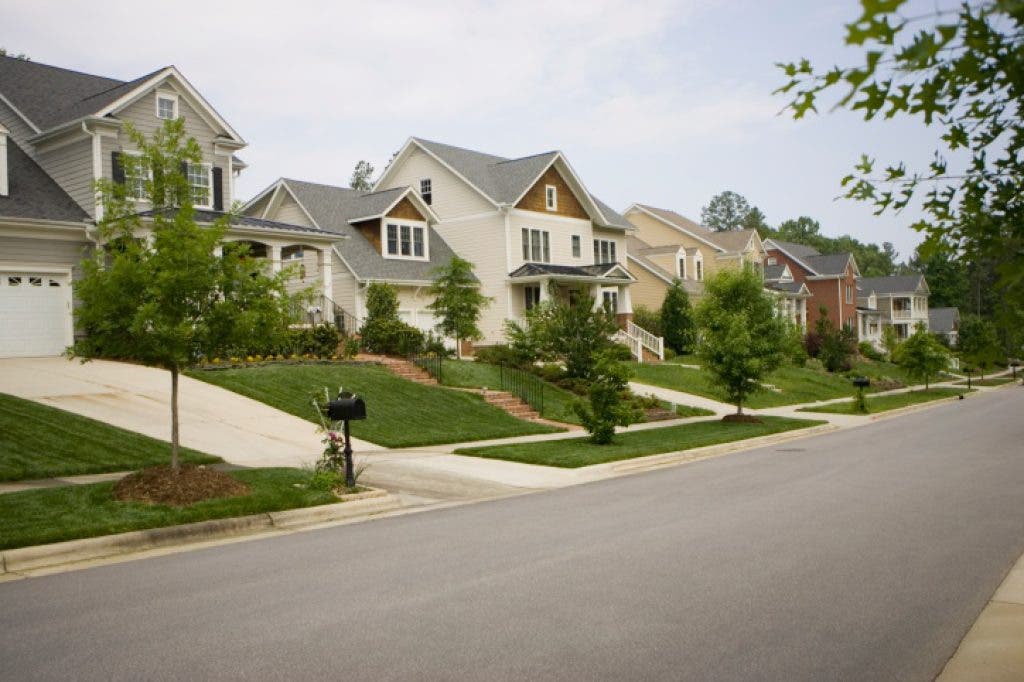
As a slumping economy pressures more distressed homeowners to seek relief in the bankruptcy courts, legal experts and others are cautioning that an unusual pitfall awaits those who are members of a homeowners association in central Maryland, and elsewhere.
An obscure provision of a 2005 federal bankruptcy law allows these associations to impose fees and other costs on struggling homeowners that are unfair and harmful to people making honest efforts to repair their damaged finances, they say.
“It’s an aberration in the law … a lot of people do feel that it is unfair,” said Richard Stolker, a Rockville attorney who serves as chairman of a committee on consumer bankruptcy for the Maryland State Bar Association.
Find out what's happening in Odenton-Severnfor free with the latest updates from Patch.
One of those who feel it is unfair is Joan Sullivan, a former Odenton resident who filed for personal bankruptcy in late 2009. Pushed to a financial precipice by a divorce and other problems, she said she chose to go into bankruptcy and give up her home in the Cedar Ridge townhouse development as the only practical solution to her severe financial problems.
Since then, Sullivan said the Cedar Ridge Homeowners Association has badgered her, brought a lawsuit against her, and made her life miserable.
Find out what's happening in Odenton-Severnfor free with the latest updates from Patch.
At issue are the monthly association fees for about six months after she vacated her house, but before the mortgage holder managed to sell the property to a new owner, she said.
The ownership documents continued to show Sullivan as the official owner during that time, even though she had moved out and the mortgage company was managing the auction sale of the house, Sullivan said.
Joining the Cedar Ridge Association was mandatory when she moved in to the townhouse, she said, as it is in many of the planned housing developments across central Maryland. In addition to assessing fees to finance amenities, such associations typically establish rules on home maintenance and related matters.
“The association makes the rules. They tell you what color you can paint your front door, and they tell you how much you have to pay every month,” Sullivan said.
“Unfortunately for the homeowner, in a situation like this the law is pretty clear,” said Antonio Aquia, an attorney with the firm Belsky, Weinberg & Horowitz. “The homeowner is liable for the association fees.”
According to Aquia, the federal Bankruptcy Abuse Prevention and Consumer Protection Act of 2005contains an explicit provision that prevents people like Sullivan from escaping any fees that are incurred once the bankruptcy process has formally begun.
Prior to the 2005 law, bankruptcy courts had more freedom to excuse bankrupt homeowners in cases like Sullivan’s, Aquia said. But the 2005 law clearly states that such fees are “nondischargeable,” meaning that the judge cannot forgive the debt, he said.
“I guess these homeowners associations just had a good lobbyist in Washington,” when the 2005 law was originally crafted, remarked attorney Stolker, of the Rockville firm Uptown Law.
For Sullivan and homeowners in a similar situation, this all means they simply have to pay. The Cedar Ridge association sued her for the money, and sought to impose legal fees as well.
In the end, she said, she was forced into a settlement where she makes monthly payments that include extra fees for managing her account.
“The law is the law, but I don’t think its right, and I hope other people in the same situation don’t get caught in this trap,” Sullivan said.
Victoria Burnett, president of the Stevensville property management company that represents the Cedar Ridge association, refused any comment whatsoever on the case. Burnett’s company,Victory Management Inc., represents about 50 homeowners associations in Anne Arundel and Queen Anne's counties, she said.
The best way to avoid this kind of situation is for distressed homeowners to work closely with an experienced bankruptcy lawyer well before filing any documents in court, attorney Aquia advised. In many cases, careful planning of a bankruptcy filing can avoid the pitfalls of homeowner association fees, he said.
"It's a story that needs to be told as a warning to homeowners," said Jeanne Ketley, president of the nonprofit advocacy group Maryland Homeowners' Association (MHA). "The terrible thing about it is that it is all legal."
Bethesda-based MHA advocates for the rights of individual homeowners against the overreach of homeowner associations, Ketley said, but doesn't get involved in bankruptcy cases.
"In this case, the association had the law on their side, but they certainly had the choice not to lean on" the bankrupt homeowner, she said.